
The Secret of Adhesion: Why Surface Preparation is 70% of Anti-corrosion Success?
The Secret of Adhesion: Why Surface Preparation is 70% of Anti-corrosion Success?
Have you ever looked at two different steel structures and wondered why it takes only two years for one to develop rust while the other has lasted more than twenty years without rusting, even though both structures use high quality paint? Turns out you’re not the only person who has noticed this. Most Project Managers spend virtually all of their time determining what primer and what top coat to use, but do not concentrate on the single most important thing that will affect the performance of an anti-corrosive coating — the preparation of the steel surface before the application of the paint.
According to most professionals in the industry, surface preparation accounts for 70% of the total paint system success. Even the most advanced paint system in existence will not perform as it should if painted onto an unprepared steel surface. We will take a look at what makes paint stick (The Science Behind Paint Sticking), that proper preparation of the metal substrate is of utmost importance, and the three things that must be done to provide long term protection of the steel substrate
————————————————————————
Why Paint Adhesion Fails: The Hidden Enemy Under the Surface
To understand the role of surface preparation in applying paint on steel, an understanding of the mechanism through which paint adheres to steel is essential. Paint does not simply “sit” on the surface of the steel. Rather, paint forms both a mechanical bond and a chemical bond with the steel at a microscopic level.
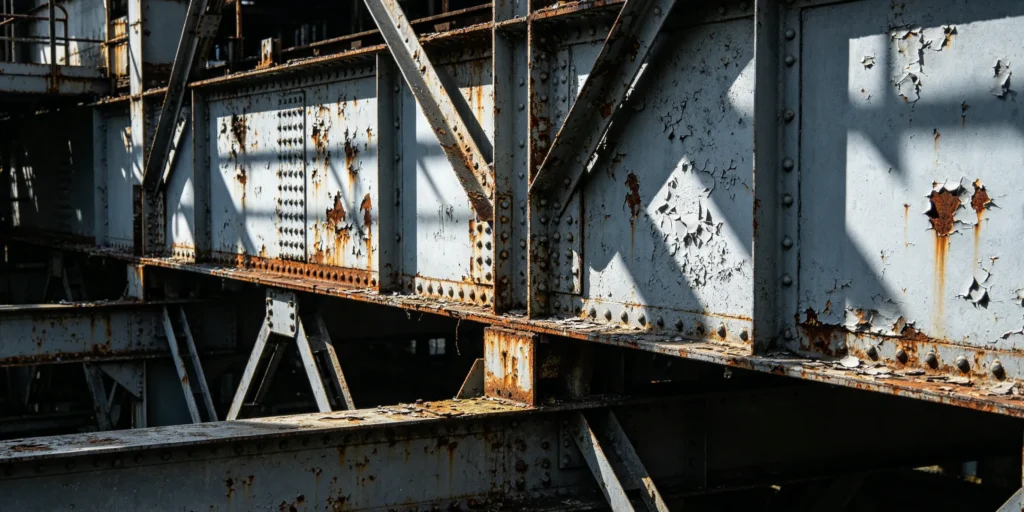
Contaminants present on a steel surface, including rust, mill scale, oil, grease, dust and even fingerprints, do inhibit the formation of a good bond between the paint and steel.
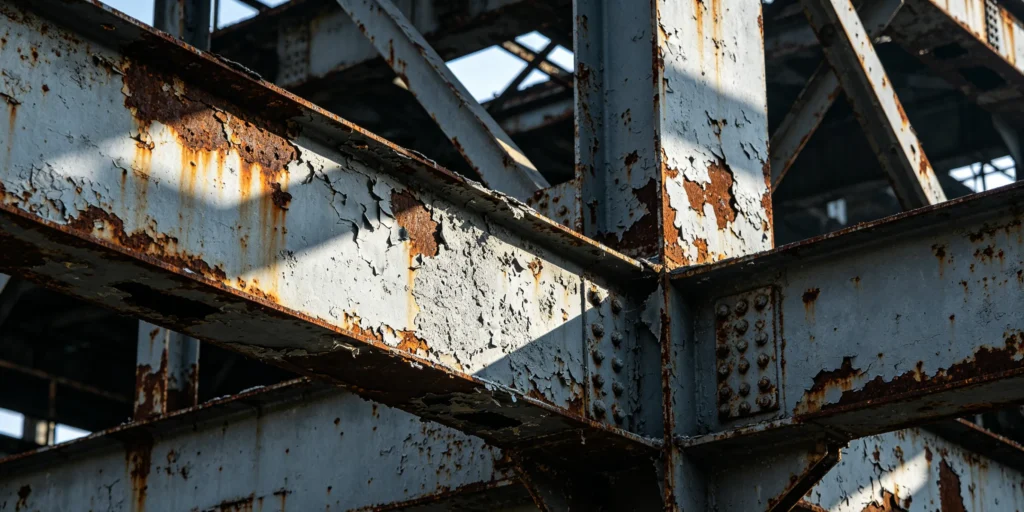
- Peeling and flaking
- Blistering
- Under-film corrosion
- Premature coating failure
A small oil spot (coin size) is enough to peel off a large amount of paint over time. Once the water and oxygen gets beneath the coating, corrosion will spread rapidly from the inside out, normally it may not be seen until a significant amount of it has already been created.
————————————————————————
The 70% Rule: Proven by Decades of Industry Data
The “70% rule” isn’t just a marketing slogan—it’s backed by decades of research and real-world data from coating manufacturers, engineering firms, and independent testing laboratories.
A comprehensive study by the Steel Structures Painting Council (SSPC) found that:
- 70% of all premature coating failures are caused by poor surface preparation
- Only 10% are caused by poor paint quality
- Only 20% are caused by incorrect application techniques
So, for example, you should budget two times as much money on surface preparation as you would spend on paint in order to maximize your return on investment (ROI). Anytime you cut corners on your surface preparation to save some short-term dollars, it will always end up costing you a lot more money in the long run, in maintenance and replacement expenses.
————————————————————————
The Industry Standard: Sa 2.5 Grade Blast Cleaning
Sa 2.5 grade Blast Cleaning is a minimum standard for all structural steel used in commercial and industrial structures. TheBlast cleaning of the structural steel is performed by blastingthe abrasive particles (usually steel grit or sand) at the surface of the steel using high pressure compressed air. This process will remove all rust, mill scale, oil, and other contaminants from the steel surface.
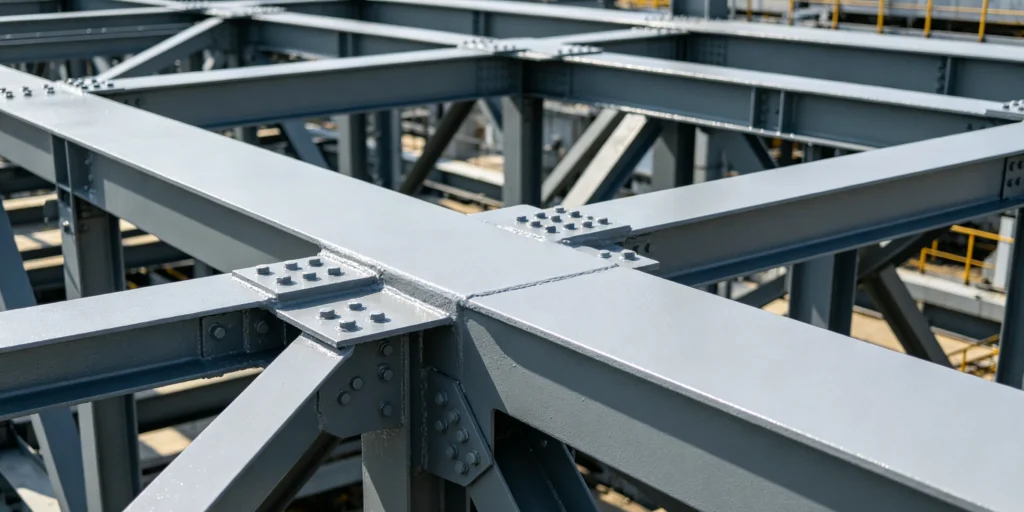
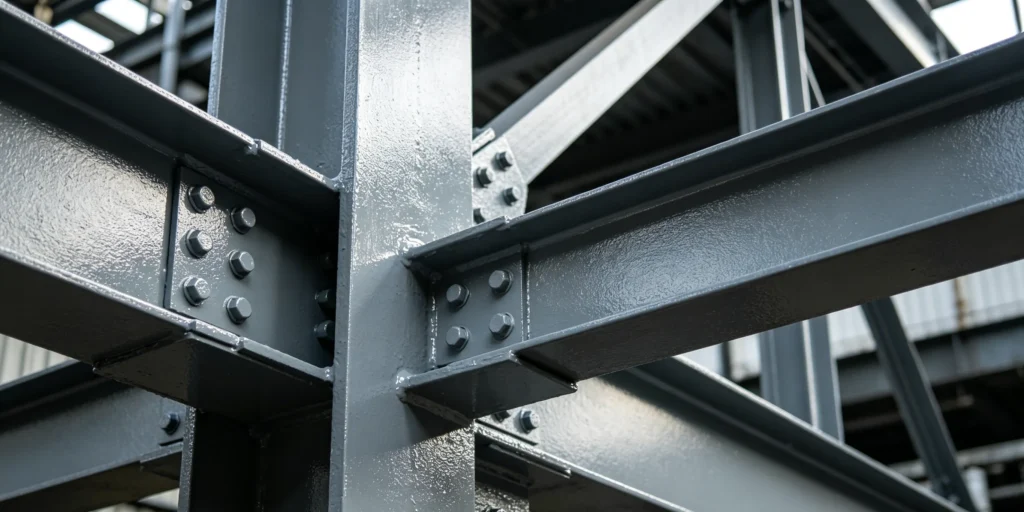
A Sa 2.5 blast will create a steel surface that will be uniformly textured and slightly rough, providing the perfect anchor profile for proper paint adhesion to the steel surface. If you use this surface to apply a very high-performance three coat painting system, you will be able to achieve corrosion resistance for 15 to 25 years!
————————————————————————
What Happens When You Skip Proper Surface Preparation?
We’ve seen case after case ofwhere a project manager will attempt to save $1,000 to $2,000 by eliminating blast cleaning and choosing to go with a “rust converter” paint, “direct-to-rust” paint, etc., in its place. The end result is always the same: The paint will peel off in two-to-three years and the project will need to be repainted with an expense three to four times more than the cost of the initial project.
The true cost of poor surface preparation includes:
- Early repainting costs: Repainting a steel structure costs 2–3 times more than the initial painting
- Downtime: Repainting often requires shutting down operations, leading to lost revenue
- Structural damage: Unchecked corrosion can weaken the steel, leading to safety hazards and expensive repairs
- Warranty voidance: Most paint manufacturers will void their warranty if the surface was not properly prepared
————————————————————————
Bingfa Steel’s Surface Preparation Standard
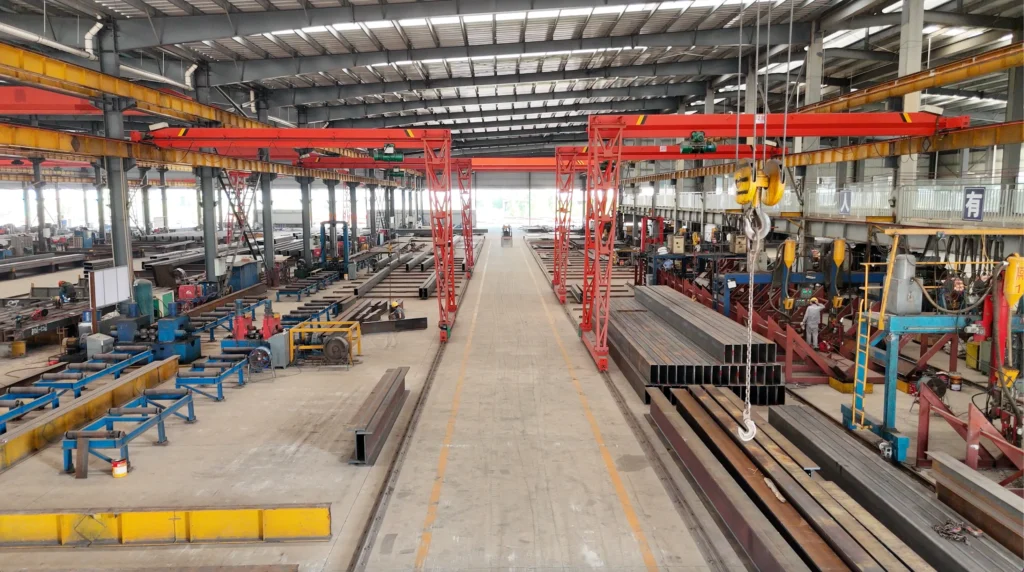
At Bingfa Steel, we never cut corners on surface preparation. All our steel structures go through a rigorous 3-step surface preparation process before any paint is applied:
- Degreasing: All steel components are thoroughly cleaned to remove oil, grease, and other organic contaminants
- Blast Cleaning: All surfaces are blast cleaned to Sa 2.5 grade according to ISO 8501-1 standards
- Dust Removal: All surfaces are vacuumed and blown clean to remove any remaining abrasive dust
We also maintain strict quality control standards, with independent inspections at every stage of the process to ensure that your steel structure receives the highest level of corrosion protection possible.
————————————————————————
Final Thoughts
The next time you plan Steel-structure Projects, think of this fact: “The paint will be as good as the surface”. Even if you purchase the best high and most expensive performance coating, it is just waste if the surface is not prepared adequately.
In reality, the money you spend on surface preparation will improve your steel structures lifespan and how well it performs. The initial expenses will be well worth it because they will save you on repairs over the life time of your building.
If you are thinking of doing a steel construction project and have questions regarding (surface preparation or anti-corrosion coating system), you may contact one of our experts today. We offer our services by providing free of cost and no obligation quotation and will also help you decide on the best system that meets your environment and budget.
————————————————————————
BINGFA Steel Structure FAQ
Addressing Your Doubts About Steel Structure & Prefab Warehouse Solutions
Q:Can you customize a prefab steel structure warehouse?
A:BINGFA has got you covered with custom prefabricated steel structures for warehouses which can be made to order, sized exactly how you need, with the appropriate floor plans and the kind of panel insulation (e.g. Rockwool or Polyurethane)
Q:Do you accept bulk orders for structural steel products?
A:Yes, purchase fabricated steel elements in large numbers (beams, columns, tubing, prefab steel structure components, etc.) at the best price per unit when you place a bulk order; we can produce 500 tons of structural steel components per month.
Q:Can you provide structural steel detailing and shop drawing services?
A:BINGFA’s professional Structural Steel Detailing Engineering Team performs all of the structural steel detailing services you require, including the preparation of accurate shop and erection drawings to assist with all of your (steel) structure construction projects.
Q:Can you handle large-scale commercial and industrial steel structure projects?
A:BINGFA also has a production capacity of 500 tons per month and a professional engineering staff to handle large scale commercial and industrial steel structure projects globally.
Contact Us
Let’s stay in touch
Our team will be happy to respond to you in less than 24 hours.
Contact Us
Let’s stay in touch
Our team will be happy to respond to you in less than 24 hours.