
How to Choose a Reliable Steel Structure Supplier for Overseas Projects
Verify supplier evidence, compare like-for-like scope and confirm responsibilities before ordering for an overseas steel building project.
Evaluate More Than a Certificate, Photo or Price
Overseas buyers should evaluate a steel structure supplier through several evidence layers: company identity, factory identity, fabrication capability, engineering scope, quality-control evidence, material documentation, project evidence, quotation scope, packing and export capability, and responsibility clarity.
No single certificate, project photo, factory visit or price figure is enough on its own. The goal is to verify consistent evidence and confirm the exact technical, commercial and documentation scope for the project before making a decision.
Verify the Company and Factory Identity
Start by confirming the legal company name and the entity shown on the quotation or contract. Check that the website, email domain, quotation and other core commercial documents use consistent company information. Confirm the factory address and whether the sales entity and manufacturing entity are the same or how they are related.
If a supplier claims a factory, buyers should verify that the claimed production facility is actually connected to the supplier and relevant to the project scope. A business licence can help confirm company identity, but it does not by itself prove manufacturing capability.
Documents from mills, inspectors, freight providers or other third parties may show different legal entities. The important point is that the relationship between those records, the contracting supplier and the supplied project material is clear and can be explained.
Company and factory information can be cross-checked against the supplier’s company profile.
Check Actual Fabrication Capability
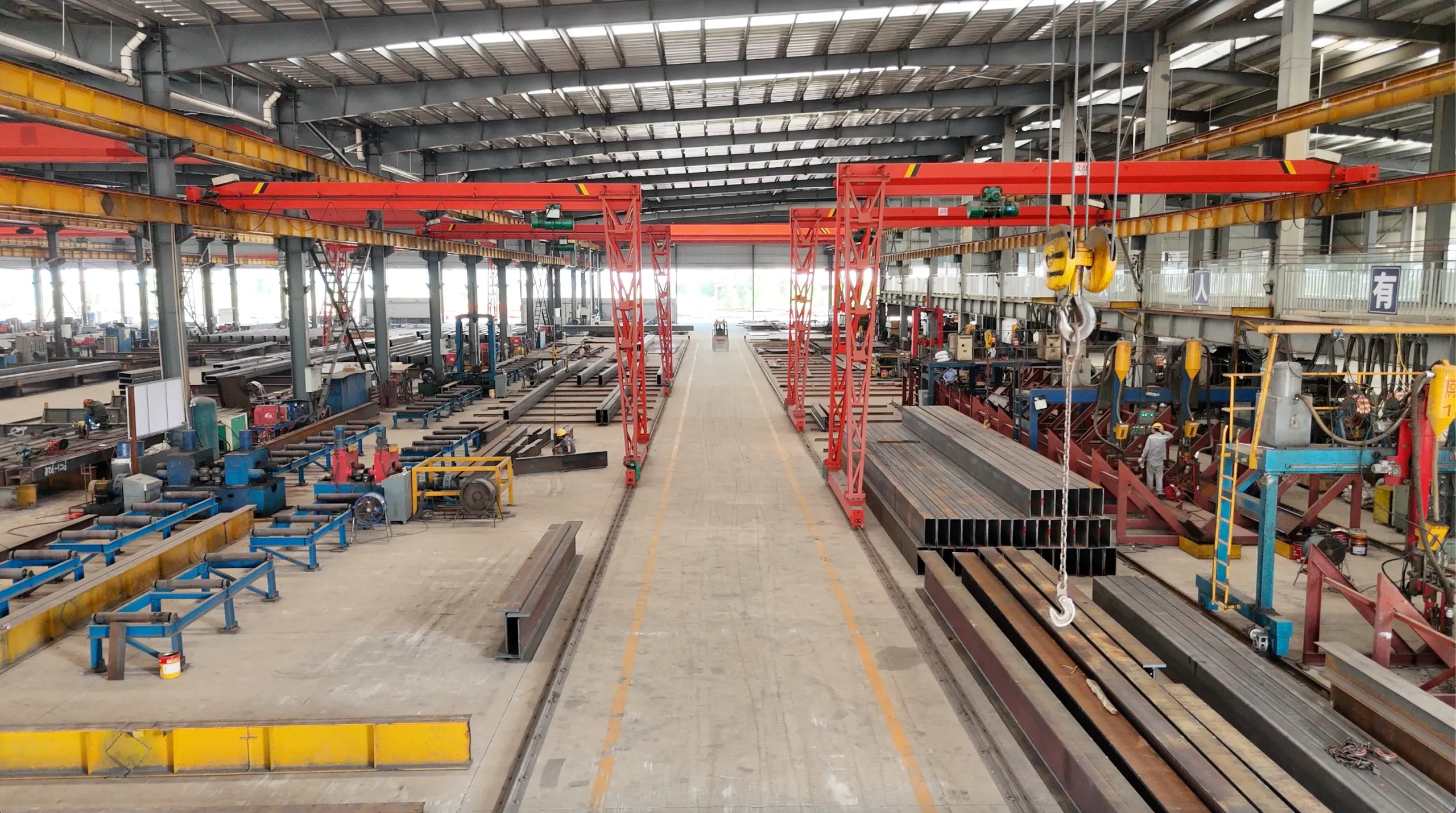
Buyers should review the production workshop, cutting and drilling capability, welding and fabrication workflow, structural member types, production organisation and current workload. The key question is whether the factory can reasonably handle the project scope—not whether it has the most machines or the newest equipment.
More machines do not automatically mean a better supplier. Newer equipment does not automatically mean better project performance. There is no fixed monthly capacity ratio that every project must meet. Instead, buyers should compare the supplier’s actual fabrication capability with the member types, quantities, coating requirements, packing needs and delivery schedule of the specific project.
Review the supplier’s stated project service scope separately from the evidence of production capability.
Define the Engineering Scope
“Engineering support” can mean different things. Buyers should clarify who is responsible for structural design, structural calculations, connection design, shop or fabrication drawings, detailing, local engineering review, and permit or authority approval.
A supplier providing fabrication drawings does not automatically mean it owns every structural-design or local-approval responsibility. The engineering scope should be written clearly in the quotation or project agreement. Detailed drawing review and approval procedures belong to the dedicated drawing review and approval guide.
Review Quality-Control Evidence
Do not ask only whether the supplier has quality control. Ask what evidence can be reviewed.
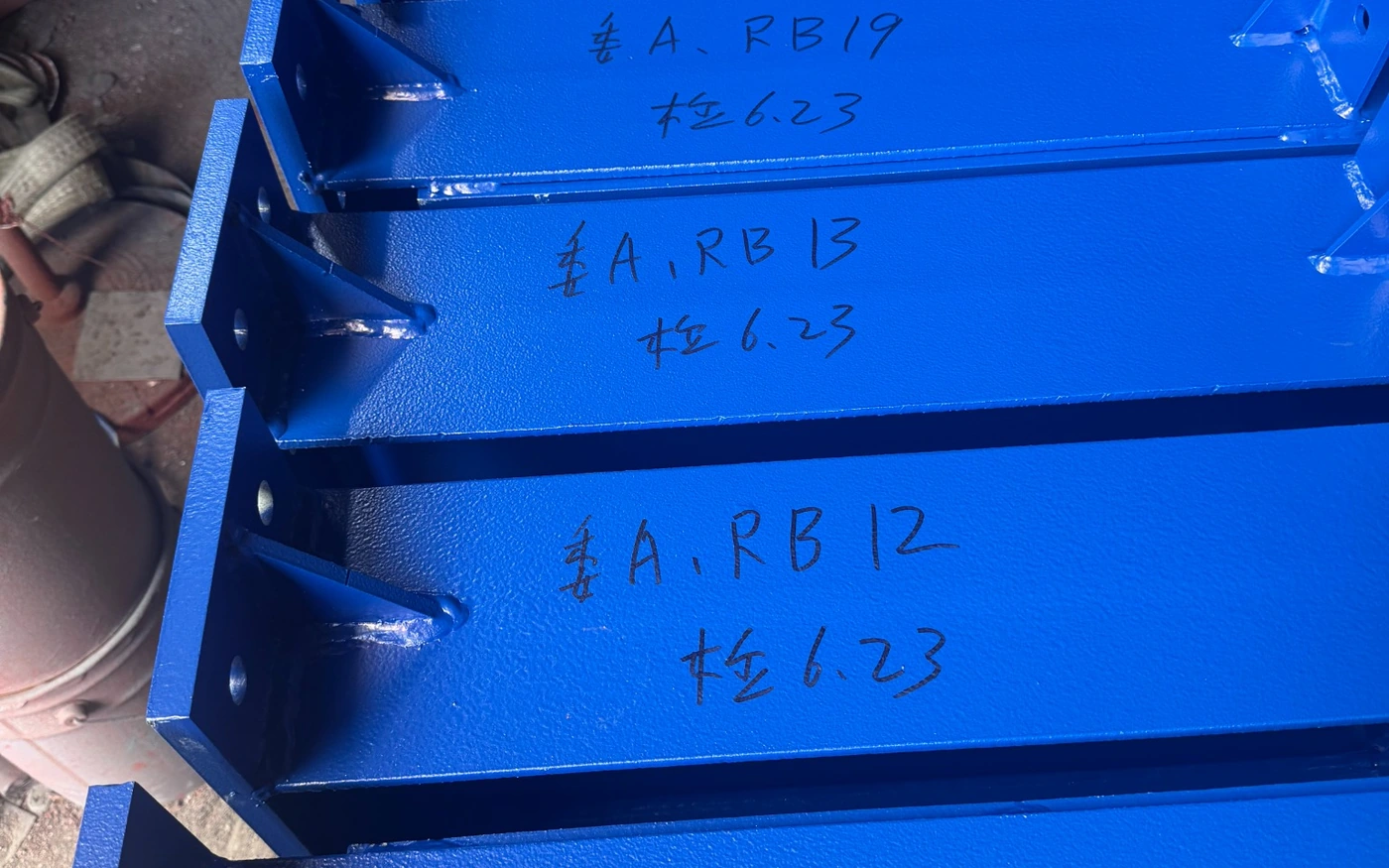
Depending on the agreed project requirements, buyers may review incoming material checks, fabrication dimensions, member identification, welding inspection where required, coating inspection, production records, inspection records, nonconformance handling, and final checks before packing.
Not every weld receives the same inspection on every project. Not every project has identical inspection requirements. Inspection records help document what was checked, but they do not by themselves establish complete quality assurance. The inspection scope should match the project specification and the agreed supply scope.
Verify Material Documentation and Traceability
Buyers should confirm the specified steel grade, material certificates where required, heat or batch information where applicable, member identification, and project documentation requirements. Where traceability is required, the connection between supplied material records and fabricated steel should be reviewed.
Material identification and full traceability are not automatically the same thing. The required level of material identification, certification and traceability should be agreed before ordering. A material certificate documents material information; it does not by itself approve the structural design or confirm local acceptance.
Check Certificates by Scope — Not by Logo
Buyers should distinguish between management-system certification, product or conformity documentation, material certificates, project-specific standards, and local structural approval.
A management-system certificate does not certify structural safety. A product or conformity document does not automatically confirm project acceptance.
ASTM and EN references are generally standards or specifications rather than supplier certifications. AISC may refer to standards/specifications or to separate AISC certification programs, so buyers should verify exactly what claim, program and scope is being referenced rather than treating an AISC name or logo as blanket supplier approval.
No single certificate replaces project-specific engineering review, connection-design responsibility, local approval or contract due diligence.
Questions to Ask
Verify Evidence Through More Than One Channel
Check Project Evidence Carefully
Project evidence may include project photographs, fabrication records, packing and loading evidence, shipment records, project dates, project scope and legitimately available references. Buyers should consider whether the evidence is consistent with the supplier’s claimed scope and capabilities.
Self-published project photos alone are not complete verification. A project reference becomes more useful when considered together with other consistent evidence, such as drawings, fabrication records, inspection documentation or shipment records. A project gallery does not by itself prove supplier reliability.
Use the project portfolio as a starting point for evidence review, not as the only proof.
Factory Visit or Video Audit
A factory visit or live video can help confirm factory identity, equipment, production activity, workflow, material storage, QC records and packing or loading areas. It gives the buyer a direct view of the operating environment.
A factory visit does not by itself prove project-specific structural adequacy, local code approval, future production quality, contract performance or delivery performance. A factory visit helps verify evidence; it does not replace project-specific engineering, inspection or contract due diligence.
Decide Whether Third-Party Inspection Is Needed
Third-party inspection may be agreed where required by the buyer, project specification, client requirement, financing requirement or contract. The inspection scope may include relevant fabrication, documentation or product checks depending on the project.
Not every project needs third-party inspection. A named inspection agency is not automatically required on every order. Third-party inspection does not transfer supplier responsibility. Its role and scope should be defined in the project agreement or contract.
Compare Supplier Quotations Like-for-Like
Price cannot be compared properly until the technical and commercial scope is normalised.
Two quotations with different totals may not include the same scope. Price becomes meaningful only after the buyer confirms that the compared scopes are equivalent. A quotation that appears similar at first may differ significantly in included items, documentation or delivery responsibility.
For the information needed before requesting a quote, use the separate steel building quotation-input guide.
Review Packing, Shipping and Export Scope
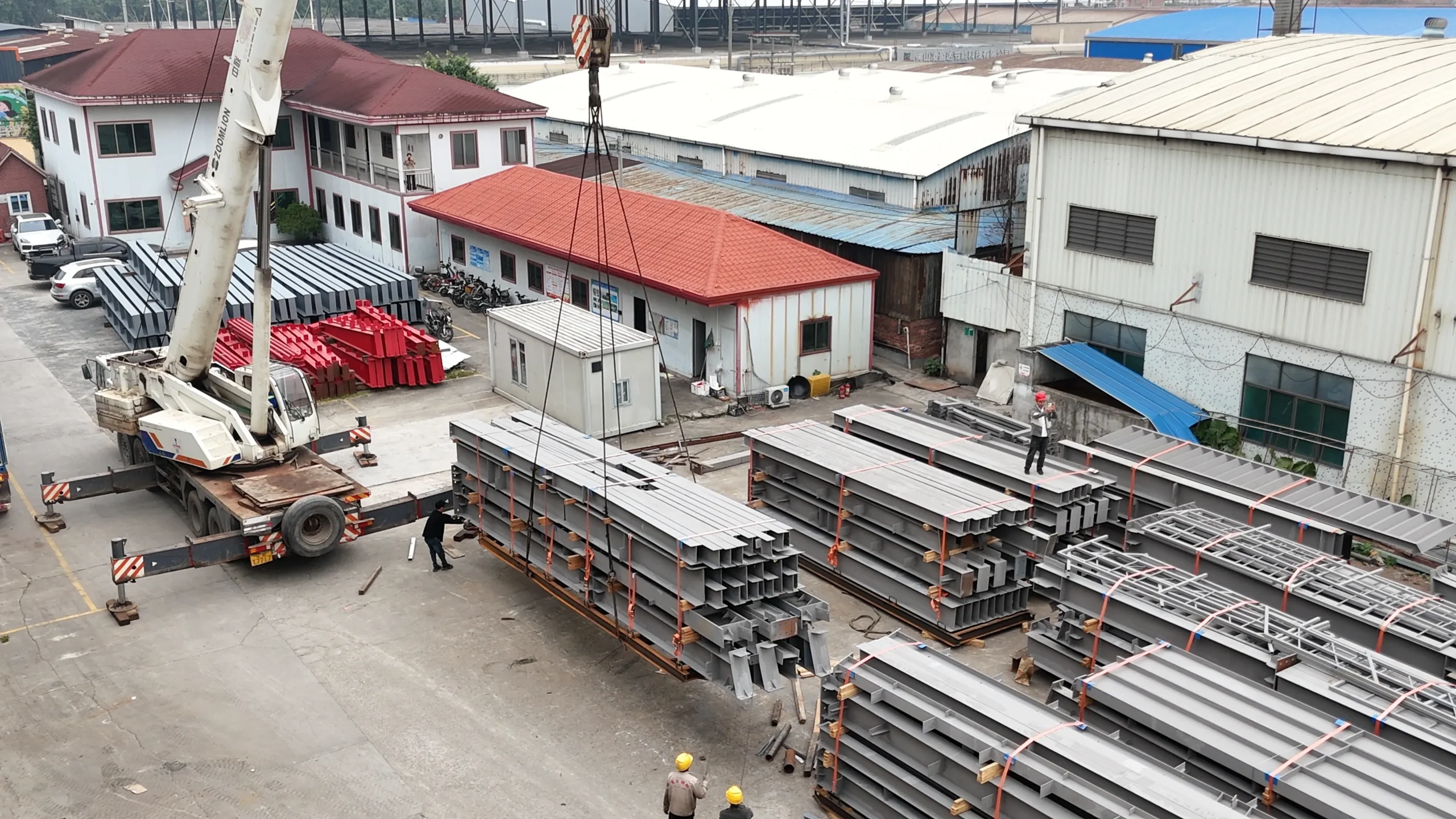
Buyers should check member identification, packing method, packing list, loading scope, protection during transport, shipping and export coordination, and agreed delivery responsibility. These items affect how the steel structure is received and how easily components can be identified on site.
Incoterms define important delivery responsibilities, costs and risks. They do not replace a complete technical and commercial scope. The export scope should be agreed alongside the fabrication and documentation scope.
Keep Installation Responsibilities Separate
Supplier evaluation should confirm the agreed supply and documentation scope. Site preparation, erection planning and local contractor responsibilities should be reviewed separately in the installation readiness guide.
Available building and enclosure directions can be reviewed in the steel building product range.
Supplier Due-Diligence Checklist
- Company identity verified
- Factory identity verified
- Fabrication capability reviewed
- Engineering responsibilities clarified
- Material and document requirements agreed
- QC evidence reviewed
- Traceability requirement clarified
- Certificate scope checked
- Project evidence reviewed
- Factory or video audit considered
- Third-party inspection requirement decided
- Supplier quotations normalised
- Technical exclusions confirmed
- Packing and export scope clarified
- Incoterms and delivery responsibility confirmed
- Payment and change-control terms reviewed
Apply the Same Checks to Us
The same evidence-based due-diligence process can be applied when evaluating Bingfa. Buyers can review relevant evidence such as real factory and fabrication imagery, production workflow, QC examples, member marking, packing and loading records, project references, exhibition/company evidence, and the engineering, fabrication and export workflow.
The purpose of this section is to make supplier evidence easier to review, not to replace the buyer’s project-specific checks. Buyers should confirm the evidence, documents and scope requirements that matter for their own project before ordering.
Confirm Who Is Responsible for Each Project Decision
Buyers should clarify responsibility for the supplier or fabricator, structural engineer, local engineer, buyer or project team, third-party inspector where required, shipping and logistics scope, and erection or local contractor scope.
These responsibilities should be defined in the project agreement. Detailed drawing approval belongs to the drawing-review guide, while installation readiness and erection responsibility are covered separately.
Compare Your Project Scope With Bingfa
If you are evaluating steel structure suppliers for an overseas project, send your drawings, project location and required supply scope so Bingfa can clarify the engineering, fabrication, documentation and export scope for comparison.
Steel Structure Supplier Due-Diligence Questions
How can I verify whether a steel structure supplier is a real manufacturer?
Check company and factory identity, live factory evidence, production activity, equipment relevant to the project, material storage, QC records and consistency between documents. A factory visit alone does not prove reliability. Use multiple evidence layers and confirm that the claimed factory is connected to the contracting entity.
What documents should I ask a steel structure supplier to provide?
The required documents depend on the project scope. They may include relevant company documents, material certificates, drawings, QC or inspection records, packing lists and other agreed documents. Not every project requires the same document package. Confirm the document list before ordering.
Is a factory visit enough to verify a steel structure supplier?
No. A factory visit can confirm identity, equipment, production activity, workflow and records. It cannot by itself prove project-specific structural adequacy, local code approval, future production quality, contract performance or delivery performance. It should be used together with engineering review, document checks and contract due diligence.
How should I compare quotations from different steel structure suppliers?
Compare like-for-like technical and commercial scope before comparing price. Check structural steel scope, steel grade, quantity basis, connections, accessories, coating, roof and wall enclosure, drawings, inspection, documentation, packing, loading, delivery scope, Incoterms, exclusions and change treatment.
Review Your Steel Structure Supply Scope
Send your project requirements and available drawings to review the structural-steel supply scope, documentation requirements and quotation basis with Bingfa.