
Steel Warehouse Building Size Guide: How to Choose the Right Length, Width and Height?
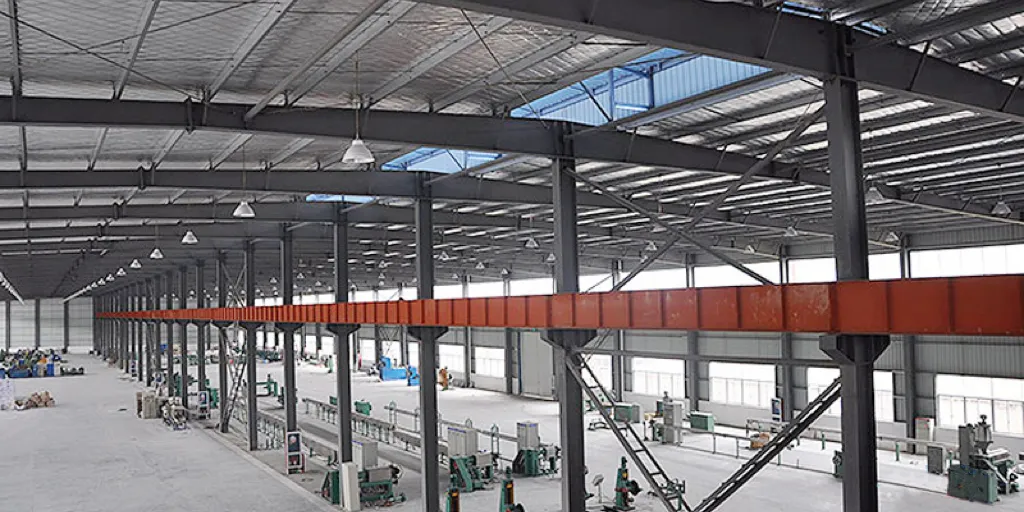
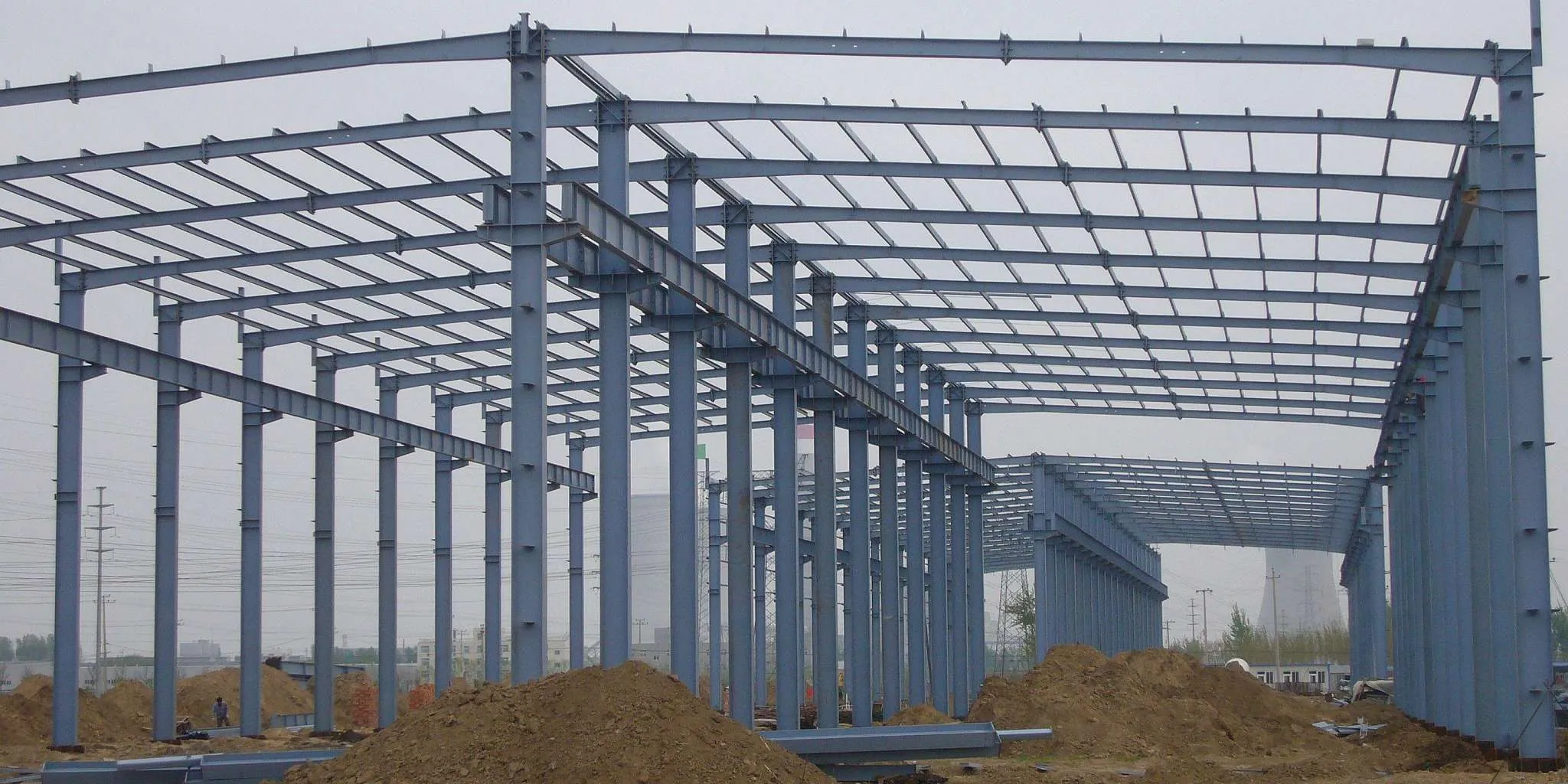
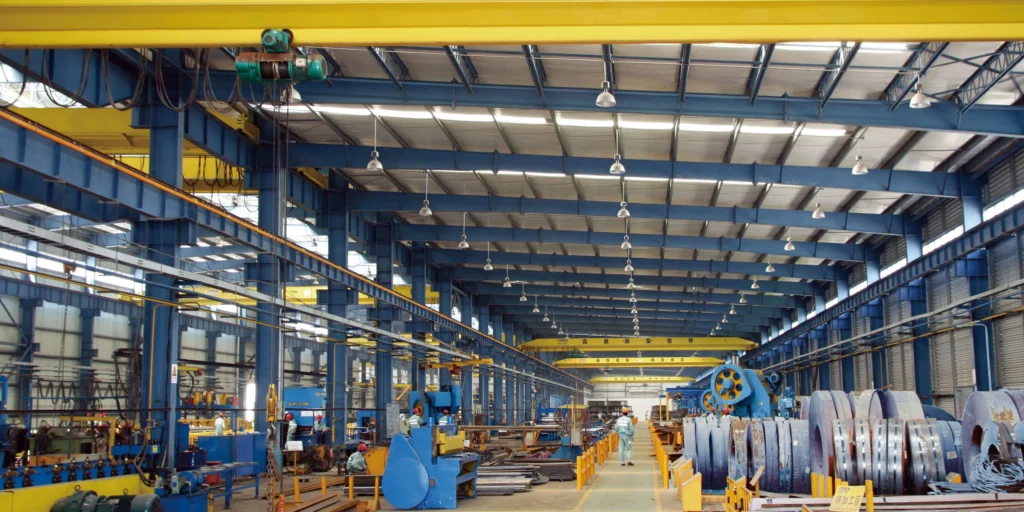
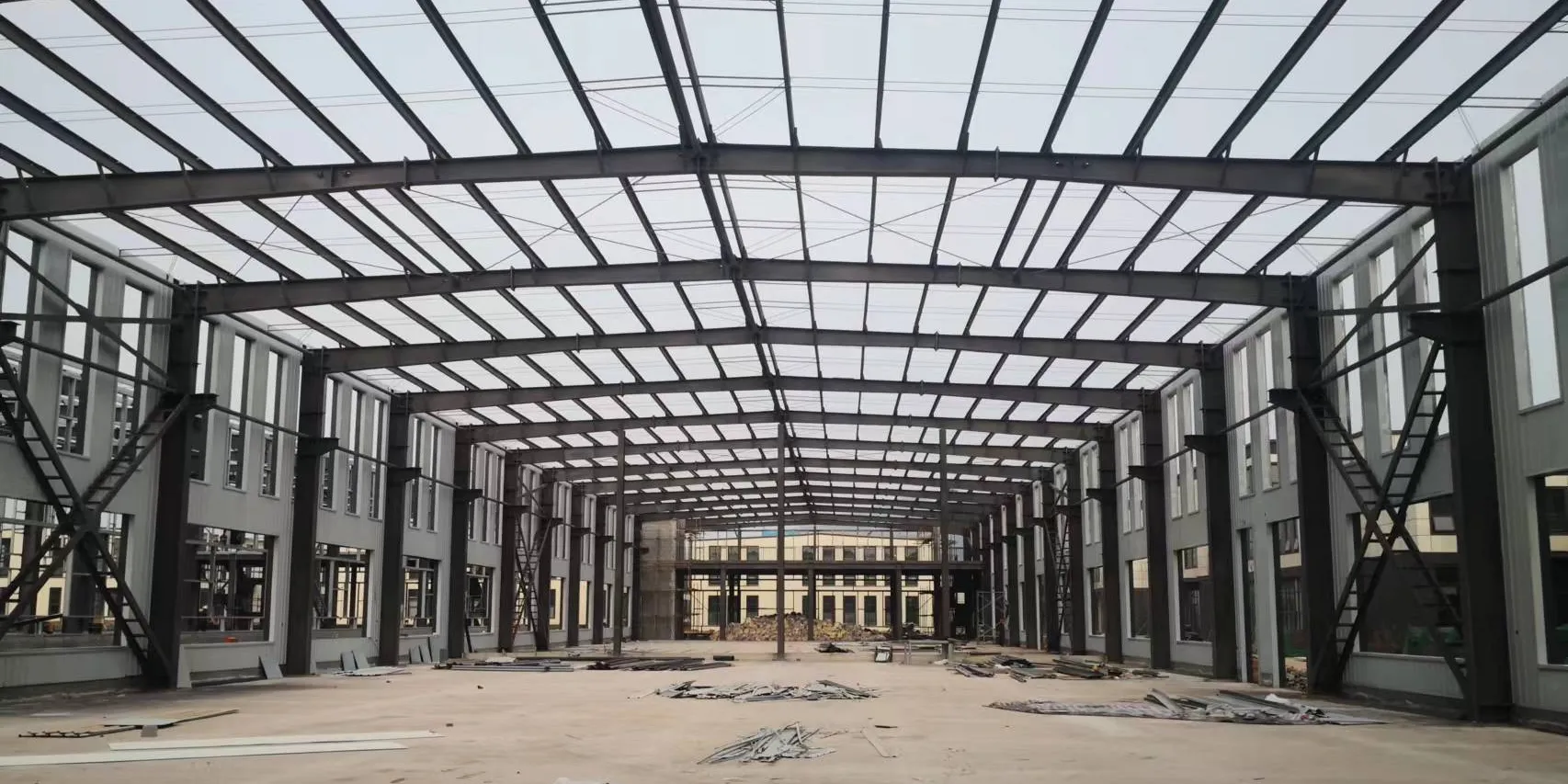
Why Steel Warehouse Building Size Matters
Quick answer: decide your storage method, forklift aisle width, door size, crane clearance and future expansion first, then confirm span and eave height. If you also need to choose steel grade or check climate loads, see our Q235B vs Q355B steel guide and wind and snow load design guide.
A steel warehouse’s size is not just about building space. If the warehouse is too small, it will restrict storage capacity and daily activities. If the warehouse is too large, then it will be costing additional steel to build it and paying for additional roofing, wall materials, and construction.
Before confirming the final steel warehouse building size, buyers should consider:
- What products or materials will be stored
- Whether forklifts or trucks need to enter the building
- Whether storage racks will be used
- Whether loading and unloading areas are required
- Whether office rooms or mezzanine floors are needed
- Whether future expansion is possible
- Local wind load and snow load requirements
Bingfa Steel Structucture is able to design a steel warehouse structure that has features such as usage in storage, location where the structure will be erected, the size of the structure, the arrangement of the structure, the material of the roofing and walling and most importantly, your budget.
————————————————————————
How to Choose the Right Warehouse Length
Length of steel warehouses should be determined by three factors: (a) amount of items to be stored; (b) conditions at the site and (c) operations and workflow activities. The advantage of having a long warehouse is the ability to have more floor area for storage, which in turn makes it easier to create separate divisions within the entire building.
Common warehouse length considerations include:
- Storage volume
- Number of product categories
- Loading and unloading direction
- Distance between doors
- Truck movement area
- Future expansion direction
The entire space required determines the length of warehouses designed for general storage. The length of the warehouse should be developed with consideration for the truck-loading zones, the flow and/or movement of products, and the efficient movement of products in logistics projects and/or distribution projects.
An elongated structure may be more appropriate if the existence of your warehouse indicates the necessity for distinct sectioning of raw material storage, finished product storage, packing and loading.
————————————————————————
How to Choose the Right Warehouse Width
The steel warehouse’s width has an impact on the span, column positions, amount of usable area and design of the steel frame. Clients opt for a wide warehouse for the purpose of optimising open space within the warehouse, and providing flexibility to the users storage area within the warehouse.
When choosing warehouse width, consider:
- Rack layout
- Forklift turning space
- Truck access
- Equipment operation
- Column spacing
- Clear-span requirements
- Roof structure design
A clear-span steel warehouse provides all of the open interior space you need without any of the middle support columns, making it great for things like storage racks, large machinery, vehicles, and logistics. If you want a wide-open clear-span new steel building, the steel frame of that building will be heavier if you make it a really wide-span building. If you have a larger project to build, then it will be more cost-effective to build a multi-span steel building that has interior columns.
The best choice depends on your warehouse use and budget.
————————————————————————
How to Choose the Right Warehouse Height
The warehouse ceiling height is an important factor when considering the effectiveness of the space used for storage. The use of tall racking or stacking methods to store products leads to very large vertical storage capacity in warehouses with higher than normal ceiling heights.
When deciding warehouse height, consider:
- Maximum storage height
- Forklift lifting height
- Rack height
- Door height
- Ventilation requirements
- Lighting system
- Crane or mezzanine requirements
- Roof slope and drainage
Warehouse eave heights used for standard storage are usually determined based on the rack height and lift truck operation. Truck access and loading door height are critical for selecting eave height of logistics warehouses. The eave heights of warehouse or industrial storage facilities may need to take into account the height of the equipment being stored and potential requirements for proper ventilation.
When you plan to use tall shelving in your warehouse, don’t just calculate the floor area. The ability to use overhead storage can increase the efficiency of your warehouse operations and decrease your need for the overall size of your building.
————————————————————————
Single-Span or Multi-Span Steel Warehouse?
Span design is another key factor in steel warehouse building design.
A single-span steel warehouse is suitable for smaller or medium-sized buildings that need open space. It is simple, practical, and easy to install.
Multi-span steel warehouses merely prove advantageous to the construction of large buildings. The designs created using multi-span steel warehouses provide solutions that help to lower the steel frame weight when compared to clear-span designs with considerable width. In addition to being lighter weight, the use of a multi-span steel warehouse design is also more economically feasible when constructing large industrial or storage facilities.
————————————————————————
Single-Span Steel Warehouse
Suitable for:
- Small and medium warehouses
- General storage buildings
- Workshops with storage areas
- Agricultural storage buildings
- Projects requiring open interior space
————————————————————————
Multi-Span Steel Warehouse
Suitable for:
- Large industrial warehouses
- Logistics storage buildings
- Factory storage areas
- Large commercial warehouses
- Projects where internal columns are acceptable
The final span design should be selected according to your warehouse layout, storage method, equipment use, and budget.
————————————————————————
Plan the Warehouse Layout Before Confirming Size
A lot of people looking to buy a warehouse will want to know how big the place is first. However, it’s better if you can figure out what your warehouse layout is going to be first. A good functioning layout can prevent you from wasting space and will also help get things done in an efficient manner.
A steel warehouse layout may include:
- Storage area
- Loading and unloading area
- Forklift route
- Truck access area
- Office room
- Mezzanine floor
- Packing area
- Equipment area
- Fire passage
- Ventilation and lighting position
A warehouse used for pallet rack storage will need enough width in the aisles for forklifts to move through. A logistics warehouse will need several large doors and loading areas. If there is an office in a warehouse, it should be located in a separate area, so it does not interfere with the storage operations.
————————————————————————
Door Size and Position Also Affect Warehouse Design
Door design is typically overlooked, yet it performs a direct function in the operations of the warehouse. The size and placement of the doors are joint decisions that must go hand in hand with the length, width and height of the new structure.
Common door options include:
- Roller shutter doors
- Sliding doors
- Access doors
- Large equipment doors
- Truck loading doors
Forklifts and Trucks need access to the warehouse via entry points, the size requirements are based on safe operation of the equipment(s) that will be entering the facility. Location and Size of entrance must align with interior traffic corridors and loading docks.
————————————————————————
Roof and Wall Materials for Steel Warehouse Buildings
The roof and wall system of a steel warehouse building can be selected according to local climate, insulation needs, storage requirements, and budget.
Available material options include:
- Color Steel Sheet
An economical option for standard warehouses, workshops, and storage buildings. - EPS Sandwich Panel
A cost-effective insulated panel for basic thermal insulation. - PU Sandwich Panel
Suitable for projects requiring better thermal insulation and temperature control. - Rock Wool Sandwich Panel
Suitable for fire resistance, sound insulation, and industrial warehouse projects. - Rock Wool Sandwich Panel with PU Sealing Edge
Suitable for higher-quality warehouse buildings requiring fire resistance and improved edge sealing performance.
Choosing the right roof and wall material helps improve warehouse durability, insulation, appearance, and long-term performance.
————————————————————————
Leave Space for Future Expansion
Don’t judge your warehouse building (steel) size alone or by your storage needs currently. Most corporations run out of space in a few years.
If the land permits, it is recommended that you choose in advance the direction in which you will expand your warehouse. Steel structure warehouses can generally be expanded easier than many traditional buildings. However, the original design should have suitable connection points available and enough area of land reserved for expansion.
Future expansion planning may include:
- Extending warehouse length
- Adding another span
- Adding office or mezzanine areas
- Increasing loading zones
- Adding more doors
- Expanding storage capacity
A good early design can reduce future modification cost and make expansion easier.
————————————————————————
Common Steel Warehouse Building Size Mistakes
When planning a warehouse project, try to avoid these common mistakes:
1、Only calculating floor area
Floor area is important, but height, layout, doors, and storage method also affect actual capacity.
2、Ignoring forklift movement
Forklift routes and turning space must be planned before confirming the building size.
3、Choosing a span that is too large
A larger clear span provides open space, but it may increase steel frame cost. The span should match actual use.
4、Forgetting future expansion
If your business may grow, reserve expansion space from the beginning.
5、Choosing roof and wall materials only by price
Cheaper materials may not be suitable for projects requiring insulation, fire resistance, or better indoor conditions.
————————————————————————
What Information Should You Provide for a Custom Warehouse Design?
To get a more accurate steel warehouse building solution, you can prepare the following information:
- Building length, width, and height
- Project location
- Warehouse use
- Storage goods
- Rack or forklift requirements
- Door size and quantity
- Roof and wall material preference
- Wind load and snow load, if available
- Office, mezzanine, or loading area requirements
- Drawings or reference photos, if available
- Shipping destination
Using this info, Bingfa Steel Structure can offer a better warehouse design idea and a quote straight from the factory.
————————————————————————
BINGFA Steel Structure FAQ
Addressing Your Doubts About Steel Structure & Prefab Warehouse Solutions
Q: What is the best size for a steel warehouse building?
A: There is no standard size for warehouses made of steel that is appropriate for all applications. The proper steel warehouse size is based on storage capacity, product type, forklift operating conditions and rack design, door requirements, project location and plans for future expansion.
Q: Is a clear-span steel warehouse better?
A:A clear span steel warehouse provides your storage area with plenty of indoor space without having central support columns. This open indoor area allows you to store a variety of items using forklifts, other materials handling equipment and logistics types of operations. The clear span design may not always be the most economical choice in very large warehouse facilities; in these cases, a multi-span design may be more cost effective.
Q: Can a prefab steel warehouse be customized?
A: Prefab steel warehouse structures are indeed able to be designated with specific length, width, height, span, roof type, wall type, door locations, window locations, ventilation systems, office spaces, mezzanine levels, and loading spaces.
Q: What materials can be used for warehouse roof and walls?
A: The types of materials available are color steel sheet; EPS sandwich panel; PU sandwich panel; rock wool sandwich panel; and a rock wool sandwich panel with PU sealing edge.
Contact Us
Let’s stay in touch
Our team will be happy to respond to you in less than 24 hours.
Contact Us
Let’s stay in touch
Our team will be happy to respond to you in less than 24 hours.