
STEEL STRUCTURE RUST DIAGNOSIS GUIDE
Why Is Your Steel Structure Rusting So Fast?
Early rust may be caused by exposure conditions, coating adhesion, surface preparation, moisture, condensation, handling damage or maintenance issues. This guide helps buyers review the likely causes and prepare the photos, drawings and project information needed for a steel-building corrosion review.
Introduction
Early rust on a steel structure should be reviewed carefully. Rusting speed depends on project conditions, exposure environment, coating system, surface preparation, building detailing, transport and storage handling, and maintenance planning. If rust appears sooner than expected, it does not automatically mean the steel is defective, but it usually indicates that one or more of these factors should be reviewed. This guide explains the common causes of early rust and how buyers can prepare information for a corrosion review.
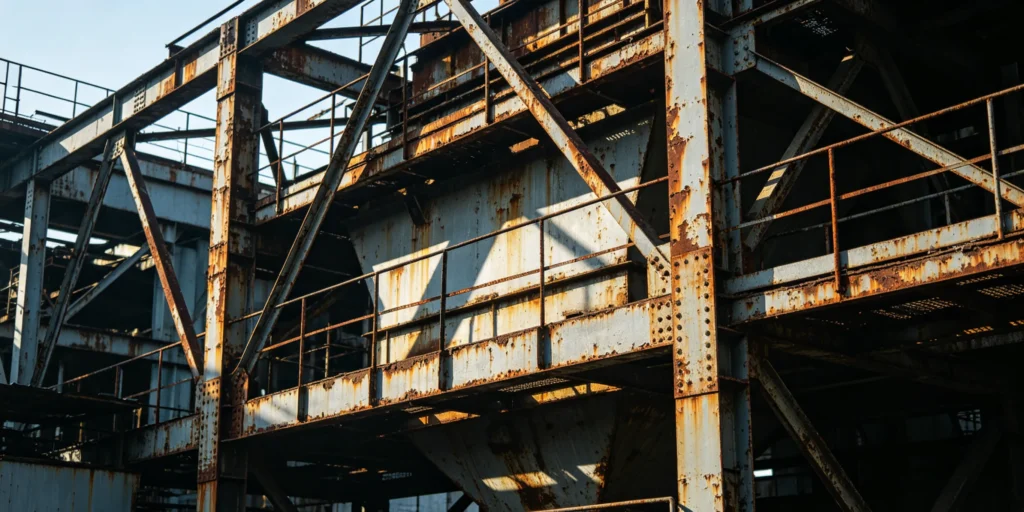
Common Reasons Steel Structures Rust Fast
Several factors can contribute to early rust on steel structures:
- Unsuitable surface preparation
- Coating system not matched to the exposure environment
- Poor coating adhesion
- Coating damage during transport, storage or installation
- Water retention on steel members
- Condensation on internal surfaces
- Salt, chemical or industrial pollution exposure
- Unprotected edges, welds, bolts or cut surfaces
- Poor storage or handling conditions
- Lack of inspection or maintenance planning
Rust may appear in specific locations or across a wider area. Identifying where rust appears and what conditions surround it helps determine the likely cause. Final repair or surface-protection methods depend on the actual site conditions, steel member condition, coating specification, exposure environment, project standard and agreed supply scope.
Surface Preparation and Coating Adhesion
Surface preparation affects how well a coating bonds to steel. Contaminants such as oil, rust, mill scale, dust and moisture can reduce coating adhesion and allow corrosion to begin under the coating. Preparation grades such as SA 2.5 may be specified for some projects, but the required grade depends on the coating specification, project standard and actual exposure conditions. SA 2.5 is not a universal minimum for every project. The appropriate surface preparation method should be confirmed for the specific coating system and project environment.
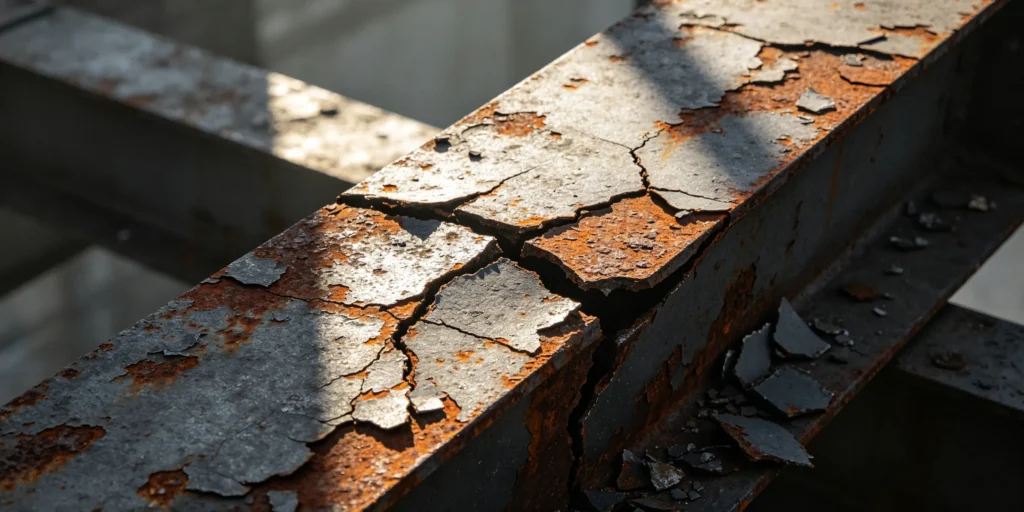
Coating System and Exposure Conditions
Coating systems for steel structures commonly include a primer, an intermediate coat and a topcoat. Galvanizing or combined protection may also be considered depending on exposure and project specification. The number of coats, the dry film thickness and the coating type depend on the exposure environment, project specification and agreed supply scope. There are no fixed thickness values that apply to every project. The coating system should be matched to the actual exposure conditions rather than assumed from a standard package.
Water, Drainage and Condensation
Trapped water, poor drainage and condensation can accelerate corrosion on steel structures. Water that remains on steel surfaces or accumulates in joints, connections or low areas can promote rust over time. Roof and wall detailing, drainage paths and ventilation affect how quickly moisture leaves the steel surface. Roof slope, drainage and condensation control should be coordinated according to the building design and local climate. There are no fixed roof slope values that apply to every building; the appropriate design should be confirmed for the specific project.
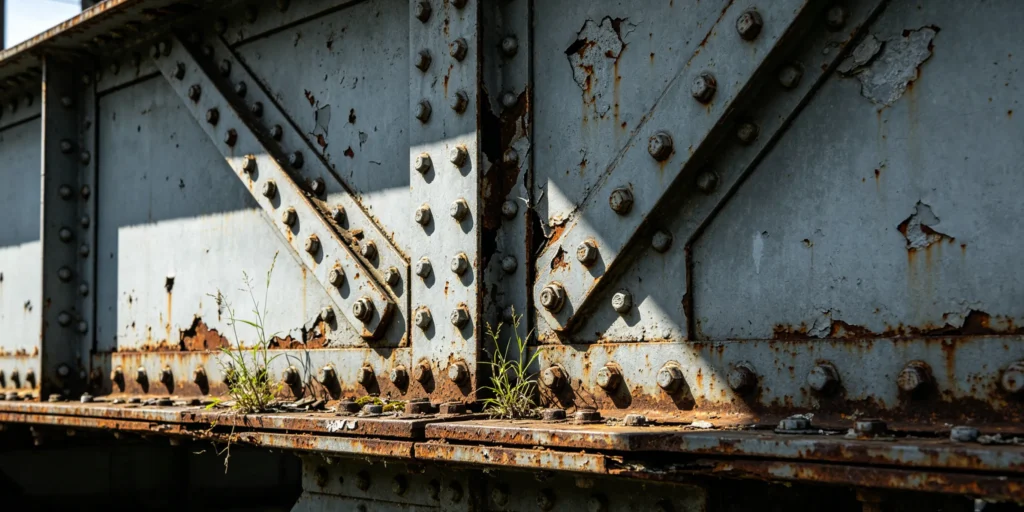
Transport, Storage and Installation Damage
Scratches, impact damage, wet storage, poor stacking or long exposure before installation can create corrosion points on steel members. Coating damage during handling or storage may expose bare steel to moisture and air. Damaged areas should be inspected and repaired according to the coating specification and project requirements. Protective measures during transport and storage help reduce the risk of coating damage before installation.
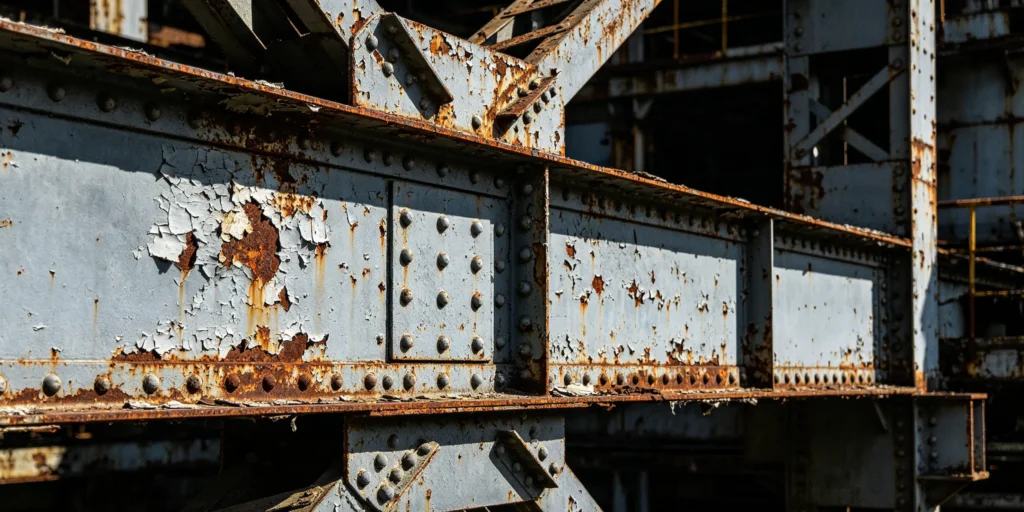
Areas That Need Extra Attention
Certain areas on steel structures are more vulnerable to early corrosion:
- Welds
- Edges
- Bolt areas
- Cut ends
- Connection plates
- Crane beams if applicable
- Base plates and areas near the floor
- Gutters or water-prone areas
These locations may have thinner coating coverage or may be more difficult to access for maintenance. They should be inspected more closely during corrosion reviews. Repair methods for these areas depend on the coating system and project requirements.
How to Review an Early Rust Problem
To review an early rust problem, the following information is useful:
- Where rust appears
- Whether it is local or widespread
- Exposure condition
- Coating damage
- Storage and handling history
- Drainage or condensation issues
- Member type and location
- Photos and drawings
- Coating specification if available
Reviewing these factors helps determine whether the rust is caused by coating selection, surface preparation, handling damage, moisture retention or another project condition.
How Bingfa Can Support Corrosion Review
Bingfa can review project information, photos, drawings, exposure conditions and coating requirements, then help coordinate steel structure surface-protection requirements for the supply scope. Warranty terms, coating packages, repair support for installed buildings and maintenance requirements, if needed, should be confirmed in the project agreement rather than assumed as a universal standard. For installed structures with serious corrosion, final repair decisions should be confirmed with qualified project professionals according to the actual site condition.
Information to Send for Review
To support a corrosion review, please provide:
- Project location
- Building use
- Rust photos and affected member locations
- Indoor or outdoor exposure
- Coastal, chemical or industrial exposure if any
- Storage and installation condition
- Roof and wall drainage condition
- Ventilation and condensation condition
- Coating specification if available
- Drawings if available
- Required repair or new-build supply scope
- Delivery destination for new components if applicable
Early photos and project information are enough to start a review, even if the full coating specification is not available yet.
Request a Corrosion Review
Send rust photos, project location, exposure conditions and available coating information so Bingfa can review the steel-building surface-protection requirements.
Steel Structure Rust Diagnosis FAQ
Why is my steel structure rusting faster than expected?
It may be related to exposure, surface preparation, coating selection, coating adhesion, coating damage, moisture retention, condensation, handling or maintenance conditions. Reviewing where rust appears and what conditions surround it helps identify the likely cause.
Does rust always mean the steel structure is unsafe?
No. Rust condition should be reviewed by location, extent, member type and structural importance. Serious corrosion should be checked by qualified engineers or relevant project professionals. Early surface rust may be a maintenance issue rather than a structural concern.
Is thicker paint always better for preventing rust?
No. Coating performance depends on surface preparation, coating system, dry film thickness specified for the project, application quality, exposure and maintenance. There is no single thickness that works for all projects. The coating system should be matched to the actual exposure conditions.
Can galvanizing prevent all rust problems?
No. Galvanizing may help in some applications, but it is not a universal solution. Exposure, member type, damage, connections and maintenance still matter. Galvanized surfaces can also corrode over time depending on the environment.
What information should I send to Bingfa for corrosion review?
Send rust photos, affected member locations, project location, building use, indoor or outdoor exposure, coastal or chemical exposure if any, storage and installation condition, drainage and condensation conditions, coating specification if available, drawings if available, and the required repair or new-build supply scope. Early information is enough to start the review.
Send Rust Photos and Project Information
Send rust photos, project location, exposure conditions and available coating information so Bingfa can review the steel-building surface-protection requirements.