
COASTAL STEEL STRUCTURE COATING GUIDE
Coastal Steel Structure Paint for Salt Spray Protection
Coastal steel buildings need coating and corrosion-protection planning based on actual exposure conditions, project specifications and agreed supply scope. This guide explains what buyers should review before selecting paint, galvanizing or combined protection for a steel structure project near salt or high-humidity environments.
Project-Specific Protection
Coastal Steel Structure Paint Planning
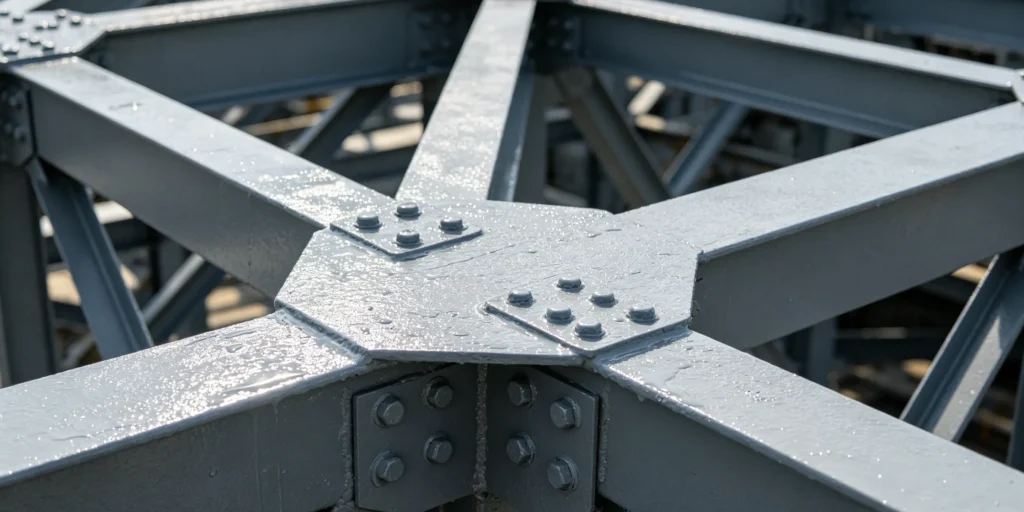
Coastal environments require more careful corrosion-protection planning for steel buildings. Salt exposure, humidity, condensation and wind-driven rain can affect steel surfaces, connections and coatings over time. Coating selection should be project-specific and based on the confirmed exposure environment, building use, applicable project specification and agreed supply scope. This guide explains what buyers should consider and what information should be prepared before selecting a coating system for a coastal steel structure.
Exposure Conditions
Why Coastal Steel Structures Need Coating Review
Steel buildings near the coast may be exposed to salt-laden air, high humidity, condensation and frequent wetting and drying cycles. Salt deposits can remain on surfaces and accelerate corrosion if the coating system is not appropriate for the environment. Rain exposure and drainage conditions also affect how long moisture remains on steel surfaces. Maintenance access matters because areas that are difficult to inspect or clean may deteriorate faster. The purpose of a coating review is to understand the actual exposure conditions and confirm a surface-protection approach that fits the project.

Buyer Input Checklist
Key Project Information Needed
Before selecting a coating system, buyers should provide the available project information, including:
- Project location
- Distance from the coast or salt source if known
- Building use
- Indoor or outdoor exposure
- Roof and wall enclosure
- Ventilation and condensation conditions
- Expected humidity or rainfall conditions if known
- Applicable coating standard or client specification
- Required design life if specified by the project
- Maintenance access
- Delivery destination
This information helps the project team evaluate the exposure environment and identify the coating requirements that should be confirmed.
Coating Foundation
Surface Preparation
Surface preparation affects coating performance. Contaminants such as oil, rust, mill scale, dust and moisture can reduce coating adhesion. The required preparation grade depends on the project specification, the selected coating system and the applicable standard. Grades such as SA 2.5 may be specified for some projects, but this is not a universal minimum for every coastal building. The appropriate surface preparation method and grade should be confirmed for the actual project and coating system.
Layer Coordination
Coating System Selection
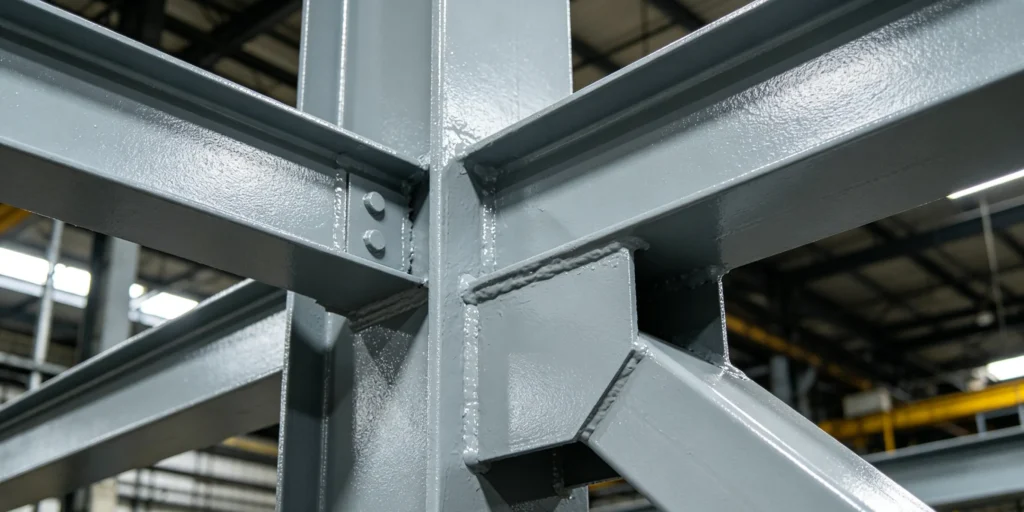
Coating systems for coastal steel structures commonly include a primer, an intermediate coat and a topcoat. The primer provides adhesion to the prepared steel and initial protection. The intermediate coat builds film thickness and barrier performance. The topcoat provides the exposed finish and contributes to weather resistance. The number of coats and the required dry film thickness depend on the exposure environment, coating type, project specification and agreed supply scope. There are no fixed thickness values that apply to every coastal project. The coating system should be confirmed against the project requirements and the coating manufacturer’s recommendations.
Protection Options
Galvanizing, Paint or Combined Protection
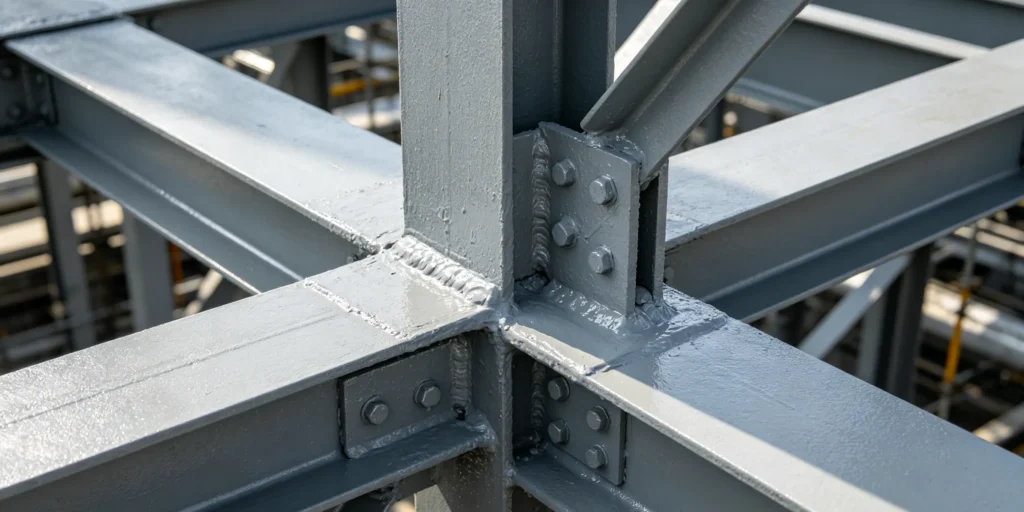
Some projects may use paint systems, hot-dip galvanizing, or a combination of both. Galvanizing may be considered for certain members or environments, but it is not automatically required for every coastal building. The decision depends on exposure conditions, member type, coating system, project specification, maintenance strategy and budget. Some projects may combine galvanizing with a paint system for additional protection. The appropriate approach should be confirmed for the specific project and supply scope.
Detail Coordination
Design Details That Help Reduce Corrosion Risk
Building design details can affect corrosion risk. Avoiding water traps, providing proper drainage, detailing roof and wall junctions, and maintaining ventilation can reduce moisture retention. Condensation control should be considered where temperature and humidity differences may cause moisture on internal surfaces. Welds, edges and bolt areas may require additional attention because coatings can be thinner or less uniform at these locations. Maintenance access should be considered so that coated surfaces can be inspected and repaired when needed. These details should be coordinated with the structural and enclosure design.
Owner Planning
Inspection and Maintenance
Coastal steel structures should have inspection and maintenance planning. The frequency of inspection depends on the exposure environment, coating system, building use and owner maintenance requirements. There is no universal schedule that applies to every project. Inspection should identify coating damage, rust spots, edge deterioration and areas where moisture may accumulate. Maintenance actions may include cleaning, spot repair or recoating. The maintenance strategy should be confirmed based on the project conditions and the coating system selected.
Scope Review
How Bingfa Can Support Coating Coordination
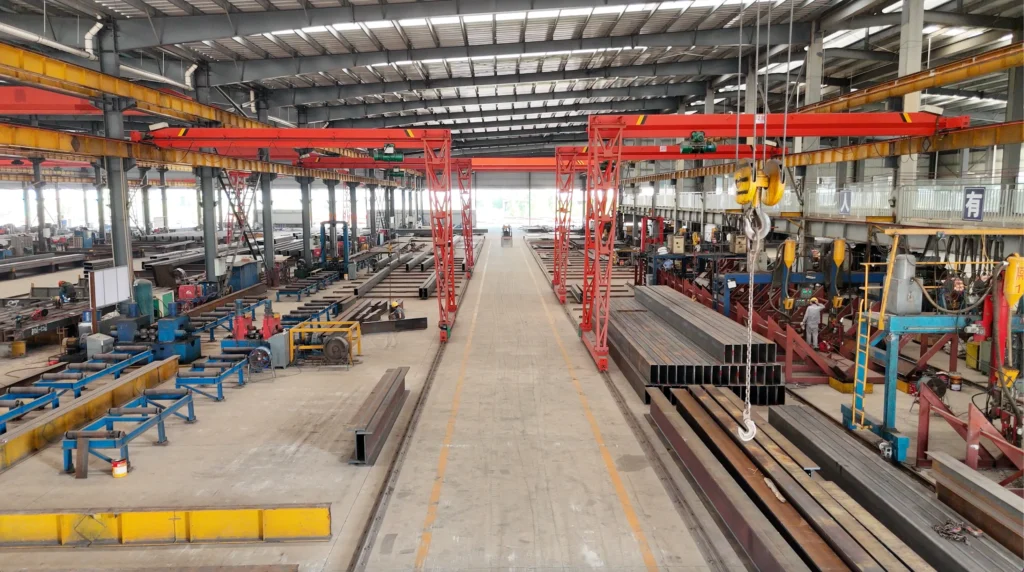
Bingfa can review the project location, exposure conditions, drawings and coating requirements, then coordinate surface preparation and coating scope according to the confirmed project specification. The coating system and surface preparation requirements should be confirmed for each project rather than assumed from a standard package. Warranty terms, coating package and maintenance requirements, if needed, should be confirmed in the project agreement rather than assumed as a universal standard.
Quotation Preparation
Information to Send for a Coating Review
For a coating review, buyers can send:
- Project location
- Coastal or marine exposure description
- Building use
- Drawings if available
- Roof and wall system requirements
- Indoor or outdoor exposure
- Humidity and condensation concerns
- Coating standard or client specification if available
- Required surface preparation if specified
- Required coating system or dry film thickness if specified
- Galvanizing requirement if any
- Delivery destination
Complete coating specifications are helpful, but early project information can still be reviewed first.
Review Your Coastal Coating Requirements
Send the project location, exposure conditions, drawings and coating requirements so Bingfa can review the steel-building surface-protection scope.
Project Questions
Coastal Steel Structure Paint FAQ
What paint system should be used for a coastal steel structure?
It depends on exposure, project specification, surface preparation, coating type, dry film thickness and maintenance requirements. There is no single paint system that applies to every coastal project. The coating system should be confirmed for the specific environment and project conditions.
Is SA 2.5 always required for coastal steel structures?
No. SA 2.5 may be specified for some projects, but the required surface preparation grade depends on the coating specification, applicable standard and exposure environment. The appropriate preparation grade should be confirmed for the actual project.
Should coastal steel structures be galvanized?
Galvanizing may be considered for some members or projects, but it is not automatically required for every coastal building. The decision depends on exposure, member type, coating system, project specification and budget. Some projects may use galvanizing alone or in combination with paint.
How often should coastal steel structures be maintained?
Inspection and maintenance frequency depends on the environment, coating system, building use and owner requirements. There is no fixed interval that applies to every project. Maintenance planning should be based on the confirmed exposure conditions and coating system.
What information should I send to Bingfa for coating review?
Send the project location, coastal exposure description, building use, drawings if available, roof and wall system requirements, indoor or outdoor exposure, humidity and condensation concerns, coating standard or client specification if available, required surface preparation if specified, required coating system or dry film thickness if specified, galvanizing requirement if any, and delivery destination. Early project information can still be reviewed first.
Discuss Your Coastal Steel Structure Project
Send the project location, exposure conditions, drawings and coating requirements so Bingfa can review the steel-building surface-protection scope.