
STEEL COATING PREPARATION GUIDE
Steel Surface Preparation for Better Paint Adhesion
Learn how steel surface preparation affects paint adhesion before coating, including substrate condition, contaminants, cleaning methods, surface profile, primer compatibility and inspection records.
Quick Answer
Paint adhesion depends on the condition of the steel substrate, surface cleanliness, surface profile, primer compatibility and the conditions under which coating is applied. There is no single surface preparation method or fixed performance percentage that applies to every steel structure project. The required preparation should be confirmed according to the coating specification, substrate condition, exposure environment and project documentation. Surface preparation supports coating performance, but it does not replace correct coating selection, application, inspection and maintenance.
Adhesion Fundamentals
Why Paint Adhesion Starts with the Steel Surface
Paint needs a suitable surface to bond to. If the steel surface contains oil, dust, rust, loose mill scale, moisture or other contaminants, the coating may not adhere as intended. Surface preparation is the stage where the steel is cleaned and prepared so that the primer can form a suitable bond. The quality of this stage affects how the coating system performs over time. However, adhesion is not controlled by surface preparation alone—coating type, application conditions, curing and handling also matter.
Start With the Substrate
Initial Steel Condition Before Preparation
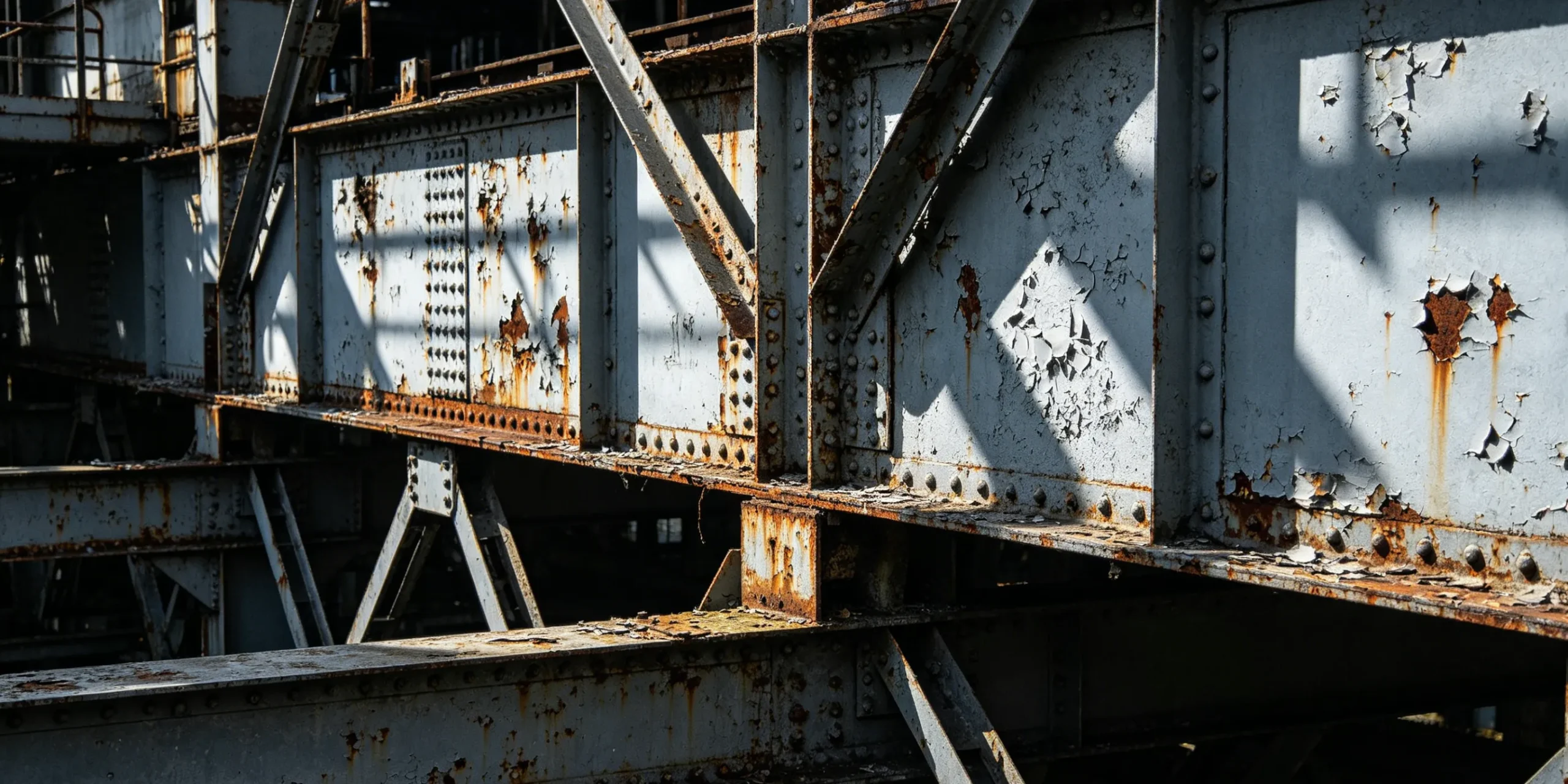
Steel members may arrive in different conditions depending on how they were produced, stored and handled. New steel may have mill scale, light rust, oil, dust or moisture on the surface. Members that have been stored outdoors or transported may show heavier rust or contamination. If a previous coating exists, its condition and compatibility should be reviewed. The initial condition of the steel helps determine what preparation method is appropriate and how much work is required before coating.
Contamination Review
Contaminants That Can Affect Coating Adhesion
Several contaminants can interfere with coating adhesion:
- Oil and grease
- Dust and dirt
- Rust and loose mill scale
- Soluble salts
- Moisture
- Incompatible existing coatings
Oil and grease can prevent the primer from bonding. Dust and dirt can create a weak interface. Rust and loose mill scale may continue to deteriorate under the coating. Soluble salts can attract moisture and affect coating performance. Moisture on the surface can interfere with application and curing. Existing coatings that are incompatible with the new system should be removed or treated according to the coating specification.
Method Selection
Surface Preparation Methods and Their Limits
Surface preparation methods include abrasive blasting, power-tool cleaning, grinding, hand cleaning, degreasing and other methods. The appropriate method depends on the substrate condition, coating specification, project requirements and available equipment. Abrasive blasting may be specified for some projects, but it is not automatically required for every steel structure. Power-tool cleaning or grinding may be suitable for localized areas or field touch-up. Hand cleaning and degreasing may be used for specific contaminants. Each method has limits, and the selected approach should be confirmed against the coating documentation and project specification.
Mechanical Bond
Surface Profile and Primer Compatibility
Surface profile refers to the roughness of the prepared steel surface. The profile affects how the primer mechanically bonds to the steel. The required profile should match the selected primer and coating system. If the profile is too smooth or too rough, coating performance may be affected. The coating manufacturer’s documentation and the project specification should define the required profile for the specific system. There is no universal profile value that applies to every coating.
Detail Review
Welds, Edges and Difficult Details
Some areas are more difficult to prepare and coat than flat steel surfaces. Weld seams, bolt areas, corners, cut edges, holes and tight spaces may require additional attention. Weld spatter, slag and surface irregularities should be reviewed. Edges and cut surfaces may need additional preparation or coating because they can be more vulnerable to corrosion. These details should be coordinated with the coating specification and inspection requirements.
Application Readiness
Conditions Before Painting
Before primer application, the steel surface should be dry and free from dust, moisture and other contaminants. Condensation risk should be considered, especially when steel temperature and ambient conditions may allow moisture to form. Dust from nearby work, weather exposure and application timing can also affect coating quality. The acceptable conditions for painting should be confirmed from the coating product data sheet and project specification. There are no universal temperature or humidity limits that apply to every project.
Pre-Coating Verification
Inspection and Documentation Before Coating
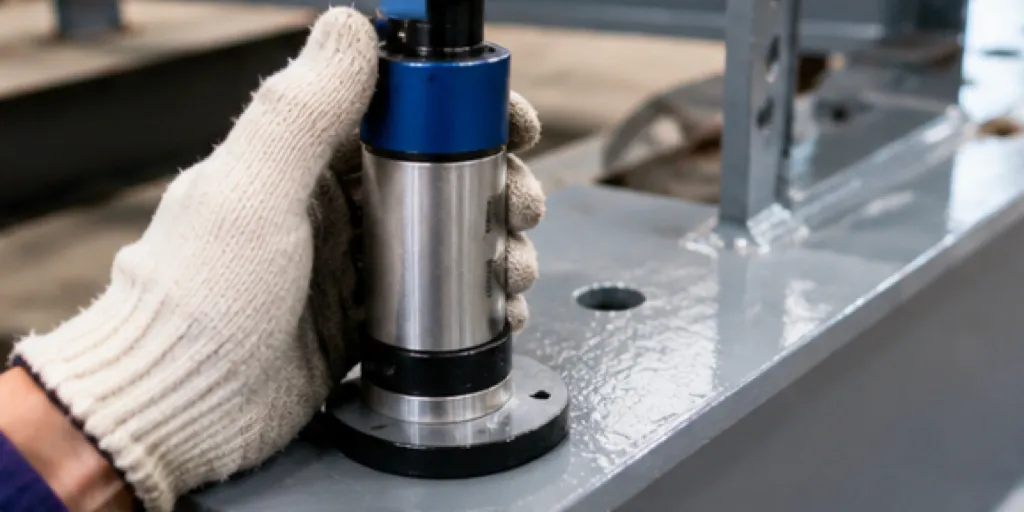
Inspection before coating may include checks for cleanliness, dust, salts, surface profile, surface condition, and environmental conditions where required. Coating batch or product documents should be available for review. Inspection records may be prepared according to the project requirements. The extent of inspection and documentation depends on the project specification and agreed supply scope. Documentation helps confirm that preparation was completed according to the specified requirements.
Scope Coordination
Shop Coating and Site Touch-Up Coordination
Shop coating and site touch-up should be coordinated because transport, handling, cutting and installation can affect coated areas. Shop-applied coating is carried out under more controlled conditions, while site touch-up addresses damage or field modifications. The touch-up method and materials should match the original coating documentation. Site repainting should not be assumed without checking surface condition and coating compatibility. The boundary between shop coating and site touch-up should be clearly defined in the project agreement.
Review Inputs
Information Needed for a Surface Preparation Review
To support a surface preparation review, please provide:
- Project location
- Steel member type
- Coating system or primer requirement if available
- Substrate condition
- Existing rust or mill scale condition
- Previous coating if any
- Exposure environment
- Required documents or standards if specified
- Shop coating or site touch-up requirement
- Drawings or member list if available
- Delivery destination
Early project information can be reviewed first, even if the final coating specification is not complete.
Project Review
Review Surface Preparation Before Coating
Send your steel structure drawings, coating requirements, exposure conditions and project documents so Bingfa can review the surface preparation and coating coordination requirements.
FAQ
Steel Surface Preparation Questions
Why does surface preparation matter for paint adhesion?
Paint needs a clean and suitably prepared surface to bond to. Contaminants such as oil, dust, rust, salts and moisture can interfere with adhesion. Surface preparation helps the primer form a suitable bond, but it is one part of the overall coating system and should be reviewed together with coating selection, application conditions, exposure and maintenance.
Is abrasive blasting always required before painting structural steel?
No. Abrasive blasting may be specified for some projects, but it is not automatically required for every steel structure. The appropriate preparation method depends on the substrate condition, coating specification, project requirements and available equipment. Power-tool cleaning, grinding, hand cleaning and degreasing may also be suitable depending on the situation.
Does surface preparation alone determine coating life?
No. Surface preparation supports coating adhesion, but coating life also depends on the coating system, application conditions, curing, exposure environment, handling and maintenance. A well-prepared surface is important, but it is not the only factor that affects long-term performance.
What should be checked before primer application?
Before primer application, the steel surface should be checked for cleanliness, dust, salts, moisture, surface profile and overall condition. Environmental conditions such as condensation risk and application timing should also be reviewed. The coating product documentation and project specification should define the required checks.
What information should I send for a surface preparation review?
Send the project location, steel member type, coating or primer requirement if available, substrate condition, existing rust or mill scale condition, previous coating if any, exposure environment, required documents or standards if specified, shop coating or site touch-up requirement, drawings or member list if available, and delivery destination. Early information is enough to start the review.
Technical Inquiry
Discuss Your Steel Coating Requirements
Send your steel structure drawings, coating requirements, exposure conditions and project documents so Bingfa can review the surface preparation and coating coordination requirements.