
Paint for Structural Steel
Paint for structural steel should be planned as a coating system, not selected only by color or product name. This guide explains surface preparation, coating-layer roles, project-specified dry film thickness, inspection records and quotation-scope items for steel building projects.
Introduction
Paint for structural steel should be planned as a coating system, not selected only by color or product name. A coating system includes surface preparation, primer, intermediate coat where specified, topcoat where specified, inspection and documentation, and repair and touch-up scope. The right system depends on the project environment, exposure conditions, building use, coating specification and agreed supply scope. This guide explains how structural steel paint systems are planned, specified, inspected and compared for steel building projects.
What Is a Structural Steel Paint System?
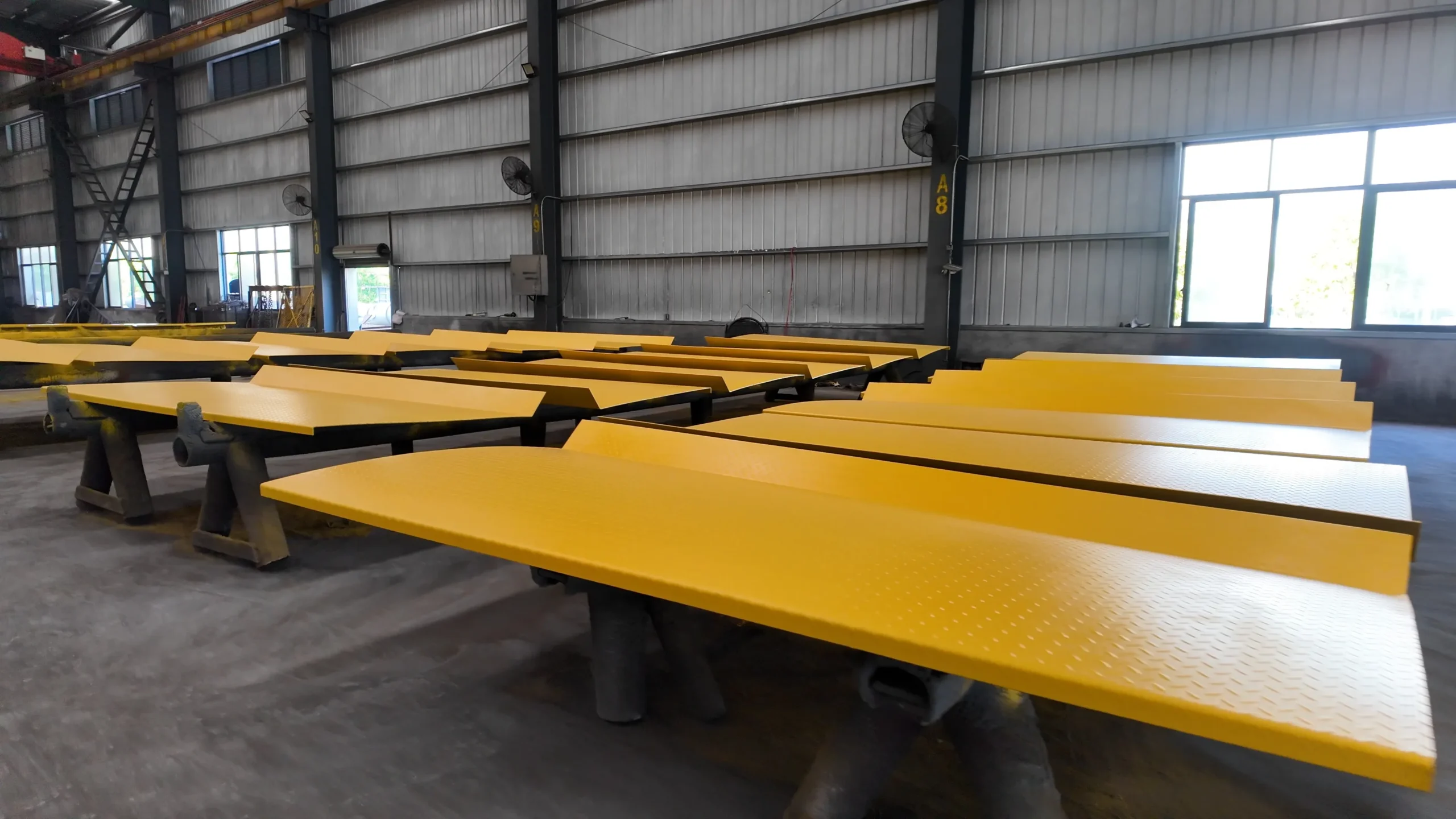
A structural steel paint system is a coordinated set of surface preparation steps, coating layers and inspection activities designed to protect steel from corrosion and exposure. It includes surface preparation, primer application, intermediate coat where specified, topcoat where specified, and inspection and documentation. The system also includes repair and touch-up scope for damage that may occur during transport, storage or erection. The number of coats and the dry film thickness depend on the project requirements, exposure environment and agreed supply scope rather than a fixed standard package.
Why Surface Preparation Comes First
Surface preparation comes before any coating application. Oil, rust, mill scale, dust and moisture can prevent the coating from bonding properly to the steel surface. Preparation grades such as Sa 2.5 may be specified for some projects, but the required grade depends on the coating specification, project standard and actual exposure conditions. The prepared surface should be inspected before coating begins. If the surface is contaminated or wet, the coating may not perform as intended even if the correct product is used.
Primer, Intermediate Coat and Topcoat Roles
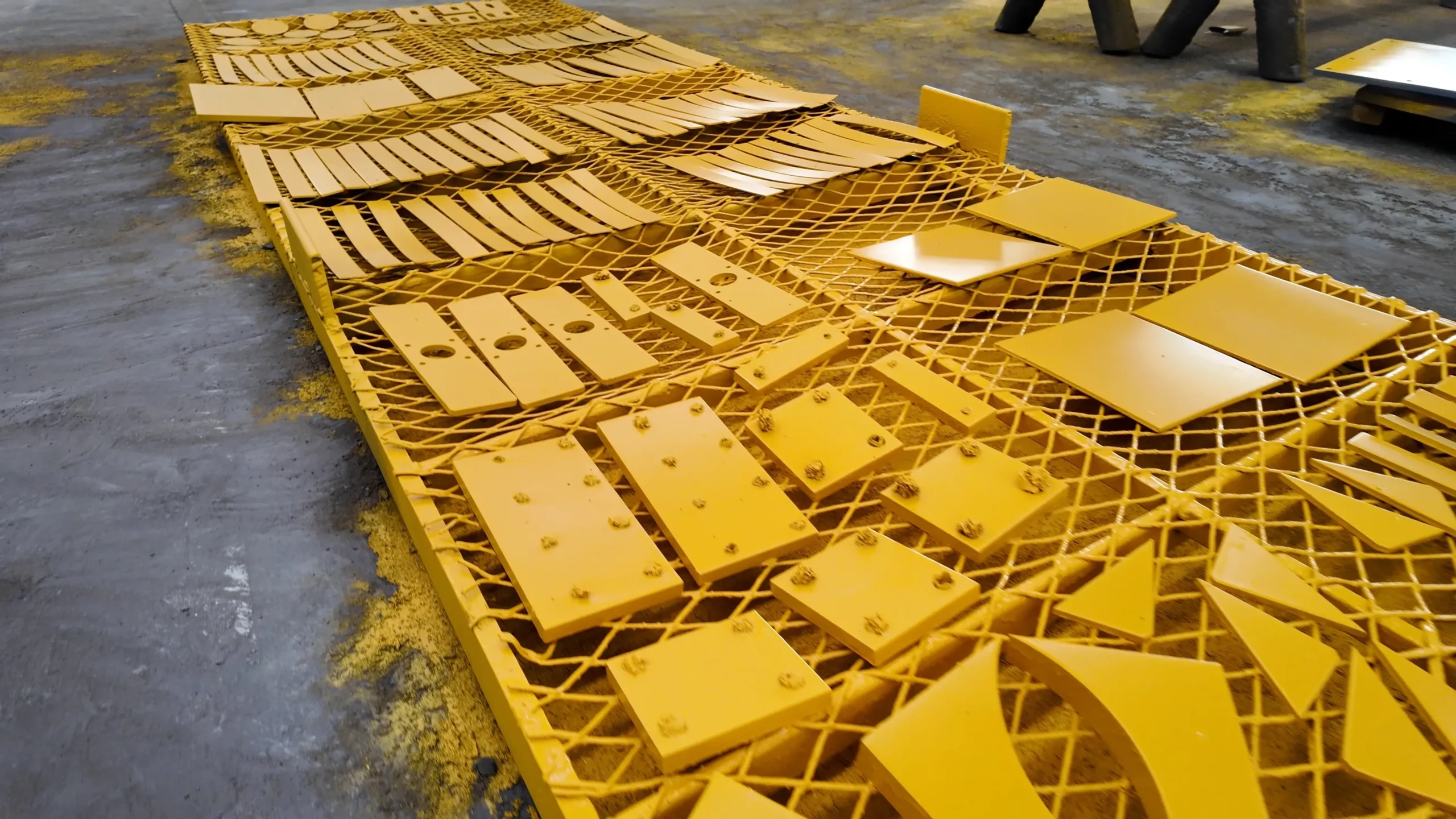
The primer is applied to the prepared steel surface and provides adhesion and initial corrosion protection. The intermediate coat, where specified, builds film thickness and barrier performance. The topcoat, where specified, provides the exposed finish and contributes to weather resistance and appearance. Not every project requires all three layers. The coating system should be confirmed according to the exposure environment, project specification and coating product data sheet. For more detailed layer comparison, refer to the dedicated primer, intermediate coat and topcoat guide.
How Project Environment Affects Paint Selection
Indoor and outdoor exposure, humidity, coastal or industrial exposure, condensation risk, abrasion and handling risk, building use and local project requirements all affect paint selection. A coating system for an indoor warehouse may differ from one for a coastal industrial facility. The exposure environment should be confirmed for the specific project location and building use. There is no single coating system that is suitable for every environment.
Dry Film Thickness Should Be Specified and Checked
Dry film thickness (DFT) is the thickness of the coating after it has cured. DFT should be specified for the project and measured during application. The required DFT depends on the coating system, exposure environment, project specification and applicable standard. Insufficient thickness may not provide adequate protection, while excessive thickness may cause application defects or performance issues. There are no fixed DFT values that apply to every project. The required DFT should be confirmed from the coating specification and verified during inspection.
Compatibility, Recoat Windows and Product Data Sheets
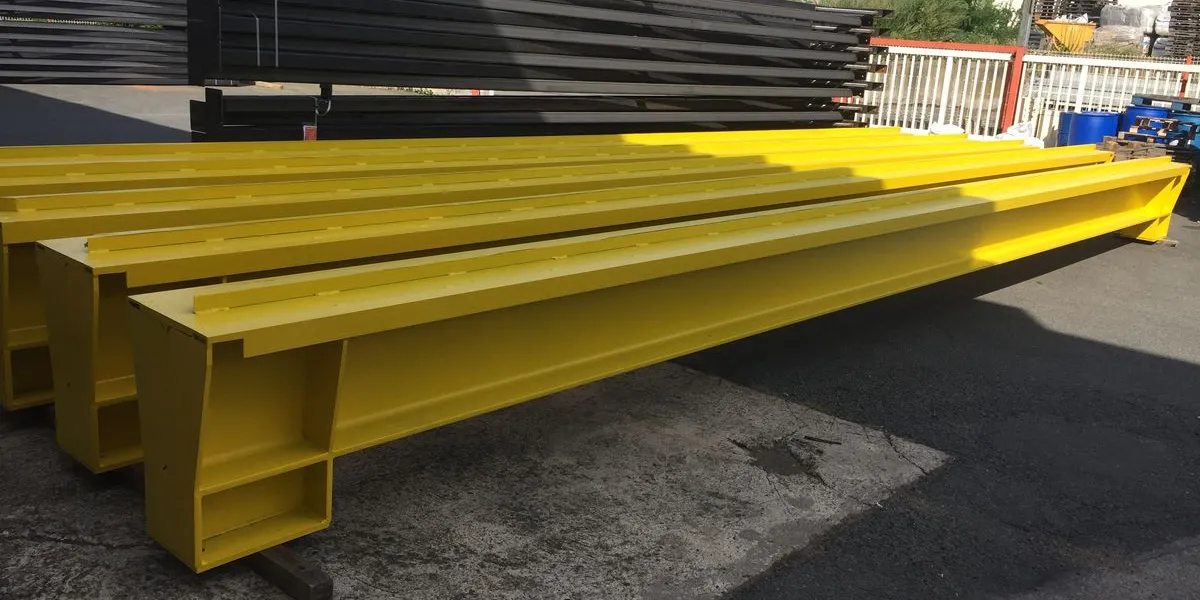
Coating layers must be compatible with each other. The primer, intermediate coat and topcoat should be selected as a complete system. Recoat windows define the acceptable time between coats. Mixing, thinning and application limits are specified in the coating product data sheet. Manufacturer instructions should be followed for the specific coating system. Using incompatible products or exceeding recoat windows may affect coating performance.
Shop Painting, Field Touch-Up and Handling
Many structural steel members may be painted before shipment under controlled shop conditions. Field touch-up may be required for damage that occurs during transport, storage or erection. The boundary between shop painting and field touch-up should be clearly defined in the project agreement. Coated members should be handled carefully to reduce the risk of damage. Damaged areas should be repaired according to the coating specification and project requirements.
Inspection and Documentation
Inspection may include surface preparation checks, coating layer confirmation, DFT measurement where specified, appearance checks, and repair and touch-up records. Photos or QC records may be included where required by the project specification. Inspection and documentation requirements depend on the project scope and agreed supply agreement. Documentation helps confirm that the coating system was applied according to the specified requirements.
How to Compare Structural Steel Paint Quotations
Buyers should compare scope, not only price. A meaningful comparison should confirm surface preparation requirements, the number of coating layers, coating type and brand if specified, DFT if specified, the shop and field boundary, inspection records, packing and handling requirements, and exclusions. Two quotations may appear similar in price but differ significantly in scope. Comparing the actual scope helps buyers make informed decisions.
How Bingfa Can Support Paint-Scope Coordination
Bingfa can review project location, exposure conditions, drawings, coating specification and supply scope, then coordinate paint-system requirements for the steel building package. The coating system, surface preparation, DFT and inspection requirements should be confirmed for each project rather than assumed from a standard package. Bingfa coordinates paint scope according to confirmed project requirements, coating specification and agreed supply scope.
Information to Send for a Structural Steel Paint Review
To support a paint-scope review, please provide:
- Project location
- Building use
- Indoor or outdoor exposure
- Coastal, industrial or chemical exposure if any
- Drawings if available
- Coating specification if available
- Required surface preparation if specified
- Required coating layers if specified
- Required dry film thickness if specified
- Coating brand or product requirement if specified
- Inspection or documentation requirements
- Shop painting and field touch-up requirements
- Delivery destination
Early project information can be reviewed first, even if the final coating specification has not been confirmed.
Coordinate the Paint Scope Before Quotation
Send the project location, exposure conditions, drawings and coating requirements so Bingfa can review the structural steel paint scope.
Structural Steel Paint Questions
What paint is used for structural steel?
Structural steel coatings may include a primer, an intermediate coat and a topcoat, depending on the project specification. The specific products depend on the exposure environment, project specification, coating system compatibility and dry film thickness requirements. There is no single paint that is suitable for every project. The coating system should be confirmed for the specific conditions.
Do all structural steel projects need primer, intermediate coat and topcoat?
No. Some projects may use a primer and topcoat only, while others may require an intermediate coat for additional film build or barrier performance. The number of coats depends on the exposure environment, project specification and coating system selected. The appropriate system should be confirmed for each project.
What is dry film thickness in structural steel paint?
Dry film thickness is the thickness of the coating after it has cured. It should be specified for the project and measured during application. The required DFT depends on the coating system, exposure environment and project specification. There are no fixed DFT values that apply to every project.
Can painted structural steel be touched up after shipment or erection?
Yes. Touch-up may be needed for damage that occurs during transport, storage or erection. The touch-up scope and materials should be defined in the project agreement. Damaged areas should be repaired according to the coating specification and project requirements.
What information should I send to Bingfa for paint-scope review?
Send the project location, building use, indoor or outdoor exposure, coastal or industrial exposure if any, drawings if available, coating specification if available, required surface preparation if specified, required coating layers if specified, required dry film thickness if specified, coating brand or product requirement if specified, inspection or documentation requirements, shop painting and field touch-up requirements, and delivery destination. Early information is enough to start the review.
Review Your Structural Steel Paint Requirements
Send the project location, exposure conditions, drawings and coating requirements so Bingfa can review the structural steel paint scope.