
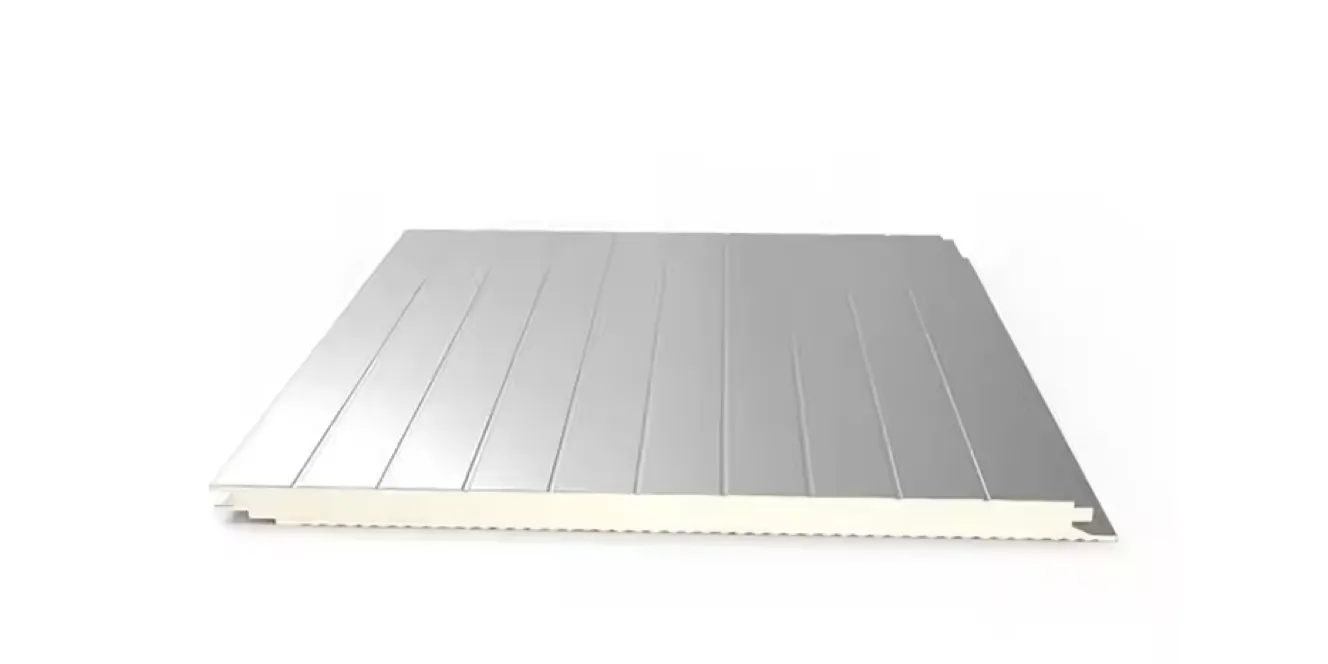
PU SANDWICH PANELS FOR STEEL BUILDINGS
PU Sandwich Panel for Steel Buildings
PU sandwich panels can support insulated wall enclosure and selected roof or cold-room related applications when the panel type matches project requirements. This page explains PU/PUR/PIR terminology, facings, joints, accessories, performance documents, packing and quotation inputs for steel-building projects.
Introduction
PU sandwich panels can be used as insulated wall panels and selected enclosure components for steel building projects where the panel type matches project requirements. They are commonly considered for walls in warehouses, workshops and related steel structures, and may also be evaluated for selected roof or cold-room related applications when the panel system and project conditions are suitable. PU sandwich panels are not a universal solution for every building—final selection depends on the confirmed application, performance requirements, joint design, exposure environment and agreed supply scope.
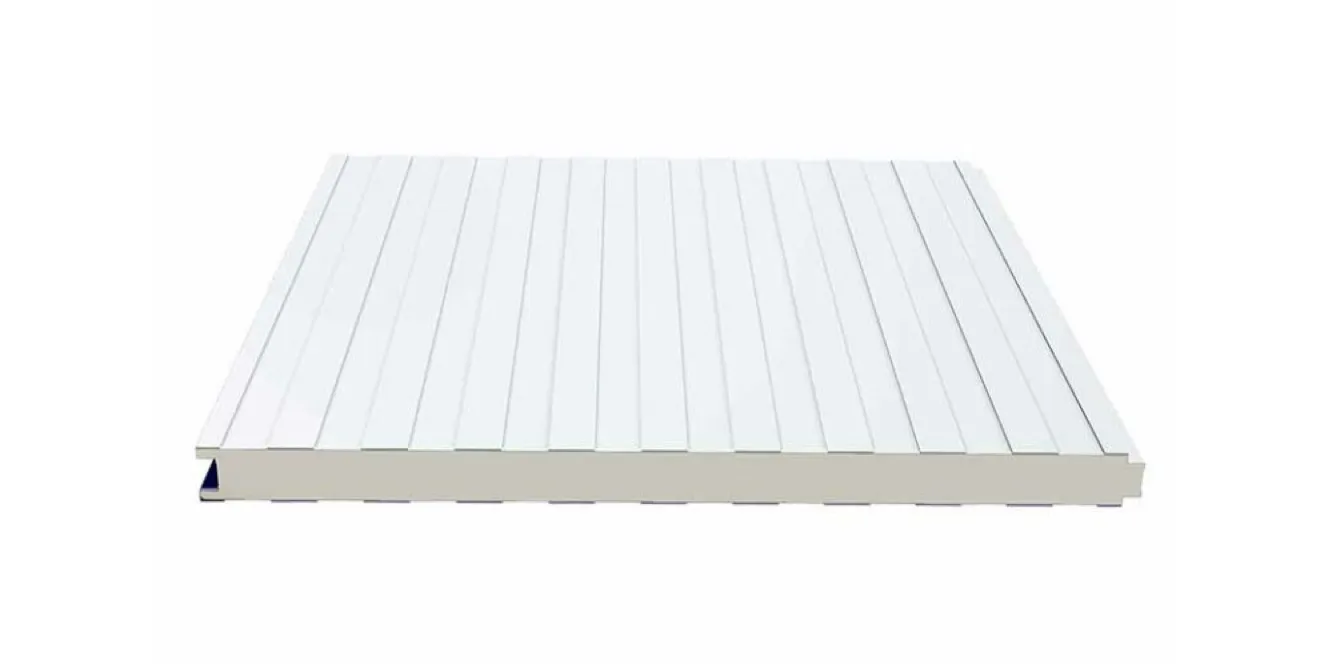
What Is a PU Sandwich Panel?
A PU sandwich panel is a factory-made insulated panel with a polyurethane-based core bonded between metal facings. The panel is used as an enclosure product for walls and, in certain projects, roofs or cold-room related applications. PU, PUR and PIR are terms that appear in the market, but they should not be treated as automatically identical. The exact core type, formulation and performance documentation should be confirmed by the product specification and project requirements.
Common Applications in Steel Buildings
PU sandwich panels are commonly used for wall enclosure in warehouses and workshops. They may also be used for partitions or enclosure elements where appropriate. Roof use should only be considered when the panel type and project design are suitable. Cold-room related use should only be considered when temperature requirements, joint design, vapor continuity and interface details are confirmed for the project. This page focuses on PU sandwich panels for steel building enclosure, with wall applications as the main focus.
Key Specification Items to Confirm
- Panel application: wall, roof or cold-room related
- Core type: PU, PUR or PIR if specified
- Panel thickness if specified
- Metal facing material
- Coating and color
- Joint type
- Effective cover width
- Panel length
- Thermal, fire or load documentation if required
- Accessories and trims
- Packing and delivery requirements
Each item should be confirmed during quotation. There are no fixed values that apply to every project.
PU, PUR and PIR Terminology
Buyers should confirm the exact product type and documentation for the project. PU is often used broadly in market language. PUR and PIR may refer to different formulations or performance documentation. The project specification should define the required panel type. Neither term should be assumed to be universally better than another. The appropriate panel type depends on the confirmed project requirements, available documentation and supply scope.
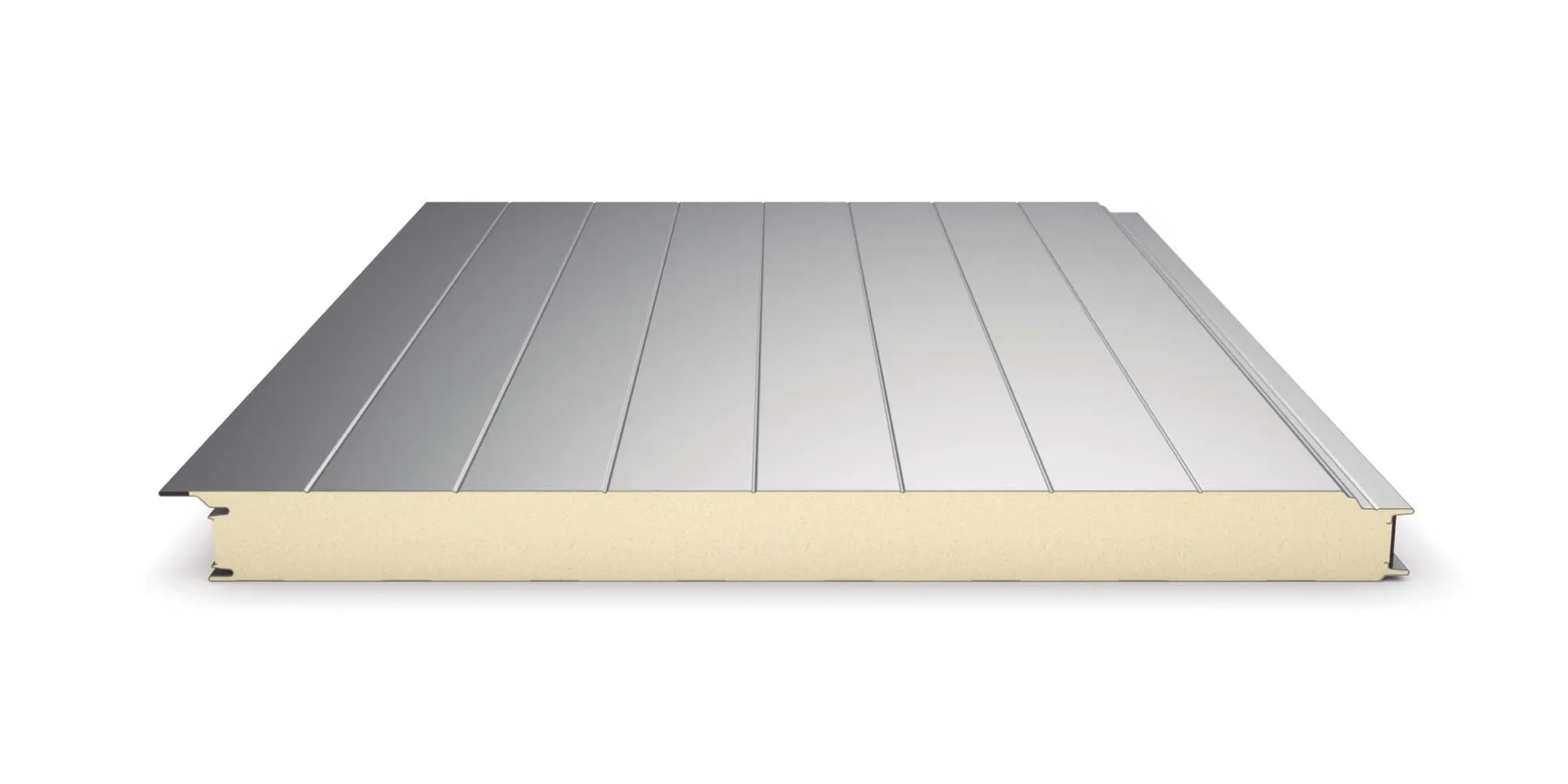
Wall Panels, Roof Panels and Cold-Room Use
This page focuses on PU sandwich panels for steel building enclosure. Wall applications are the main focus. Detailed PU roof panel requirements should be reviewed on the dedicated PU roof sandwich panel page. Cold-room use requires project-specific review of panel joints, vapor continuity, doors and interfaces. Not every PU panel is suitable for every cold-room application—the panel type, thickness, joint design and supporting documentation should be confirmed for the specific project.
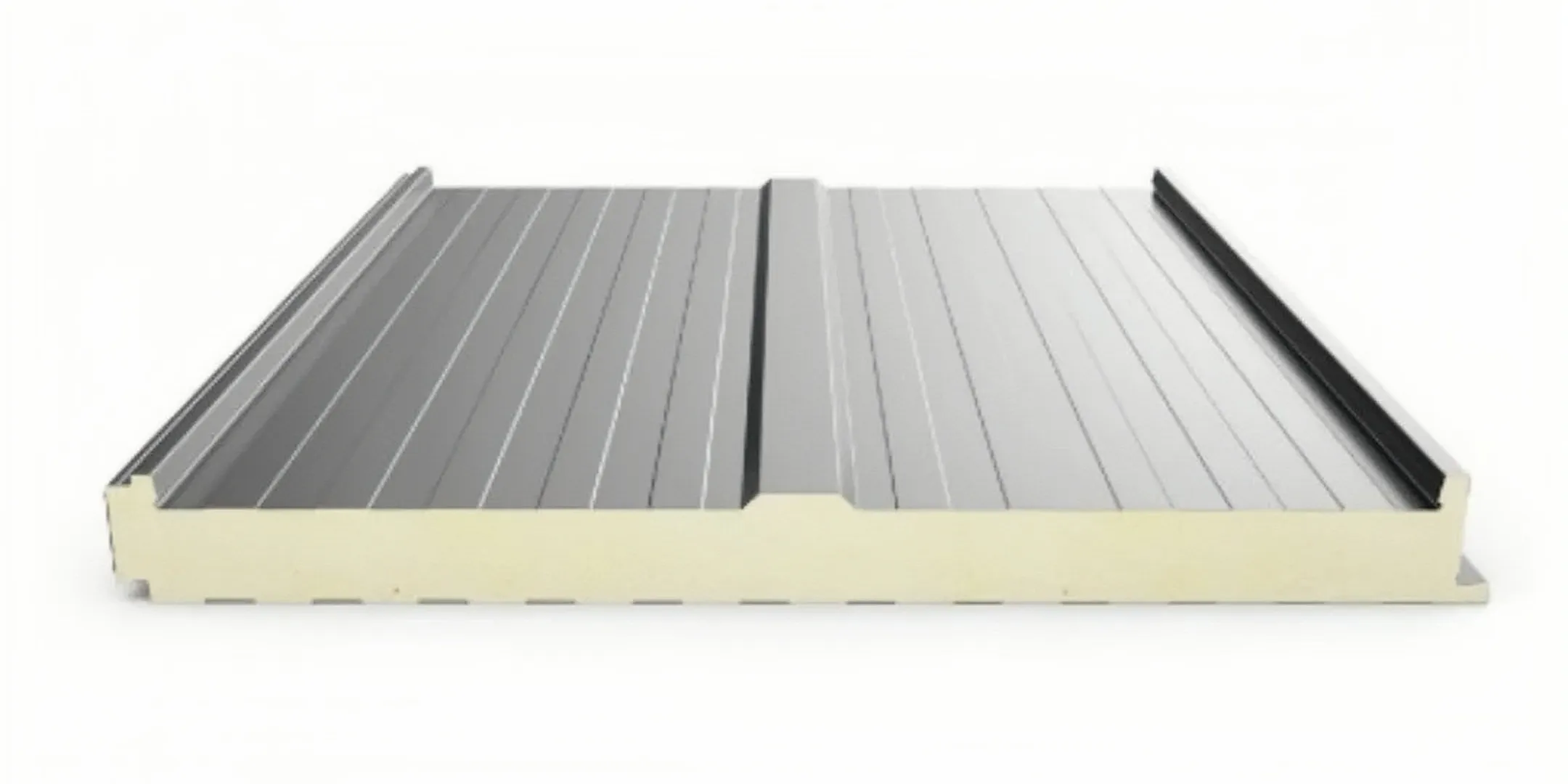
Panel Facings, Coatings and Color
Metal facings, coatings and colors should be coordinated with project requirements, exposure conditions and buyer specification. Metal facings are different from single-layer color steel sheet cladding. The facing material, coating system and color should be confirmed for the project. For single-layer cladding requirements, refer to the color steel sheet page. For PU sandwich panels, the facing and coating selection should support the intended enclosure performance and appearance.
Joints, Accessories and Interface Details
Joint design affects enclosure continuity. Accessories may include trims, flashings, fasteners, closures and edge details. Door, corner and roof-wall interfaces should be coordinated where included in the project scope. The accessory scope should be confirmed during quotation. Not every project requires the same accessories—the specific items should be confirmed based on the building design and supply scope.
Performance Documents and Quality Checks
Buyers may need documents or checks for panel type, thickness, facing material, coating and color, joint profile, thermal performance where specified, fire performance where specified, and quantity and packing. Performance documents should be reviewed when thermal, fire, load or cold-room requirements matter. No specific fire rating or thermal value is claimed here unless confirmed by project-specific documents. Quality checks should be confirmed according to the agreed supply scope.
Packing and Export Coordination
Panels should be grouped and packed according to confirmed order information. Surface and edge protection should be considered during handling as far as practical. Panel length, bundle arrangement and loading method should be coordinated for export. Packing arrangements should consider the panel surface, edges, length and transport conditions. Protection measures should be coordinated according to the agreed packing scope and export-loading requirements.
How Bingfa Can Support PU Sandwich Panel Supply
Bingfa can coordinate PU sandwich panels, wall, roof and cold-room related applications, accessories and packing as part of a steel building or enclosure supply scope. The PU sandwich panel is supplied according to the confirmed project requirements and agreed supply scope. Panel supply is coordinated as part of the steel building enclosure package when included in the project scope, rather than treated as a standalone raw insulation-material offer.
Information to Send for a PU Sandwich Panel Quote
- Project location
- Building use
- Wall, roof or cold-room related application
- Required panel type if specified
- Panel thickness if specified
- Required facing material
- Coating and color if specified
- Joint type if specified
- Effective cover width if known
- Panel length or building dimensions
- Thermal, fire or load requirements if specified
- Accessories and trims required
- Packing and delivery destination
- Whether panels are part of a full steel building package
Early project information can be reviewed first, even if the final panel specification is not complete.
Review Your PU Panel Requirements
Send the project location, panel application, required specification and delivery destination so Bingfa can review the PU sandwich panel supply scope.
PU Sandwich Panel Questions
What is a PU sandwich panel used for?
PU sandwich panels are used for insulated wall and enclosure applications in steel buildings where appropriate. They may also be considered for selected roof or cold-room related uses when the panel type and project requirements are confirmed.
Are PU, PUR and PIR sandwich panels the same?
PU is often used broadly, but PUR and PIR may refer to different formulations or performance documentation. Buyers should confirm the exact panel type in the specification. The terms should not be treated as automatically interchangeable.
Can PU sandwich panels be used for cold rooms?
They may be used in cold-room related projects when panel type, thickness, joint design, vapor continuity, doors and interfaces match the project requirements. No fixed temperature values are provided here—the panel system should be confirmed for the specific cold-room conditions.
Can PU sandwich panels be supplied for roofs?
They can be considered when the roof panel type, load requirements, slope, water management detailing and project design are suitable. Detailed roof requirements should be reviewed separately on the dedicated PU roof sandwich panel page.
What information is needed for a PU sandwich panel quote?
Send the project location, building use, wall, roof or cold-room application, required panel type if specified, panel thickness if specified, facing material, coating and color if specified, joint type if specified, effective cover width if known, panel length or building dimensions, thermal, fire or load requirements if specified, accessories and trims required, packing and delivery destination, and whether panels are part of a full steel building package. Early information is enough to start the review.
Discuss Your PU Sandwich Panel Supply
Send the project location, panel application, required specification and delivery destination so Bingfa can review the PU sandwich panel supply scope.