
Sandwich Panel Materials for Steel Buildings
Compare EPS, PU, PIR and rock wool by building use, insulation needs, fire-related requirements and the documents available for the selected panel system.
Representative panel sections; supplied configurations must be confirmed.
Choose the material, then confirm the system
No core type is the right answer for every building. Start with the roof or wall application, operating environment and required evidence. The complete panel build-up, joints, fixings and installation details determine whether a proposed system meets the project brief.
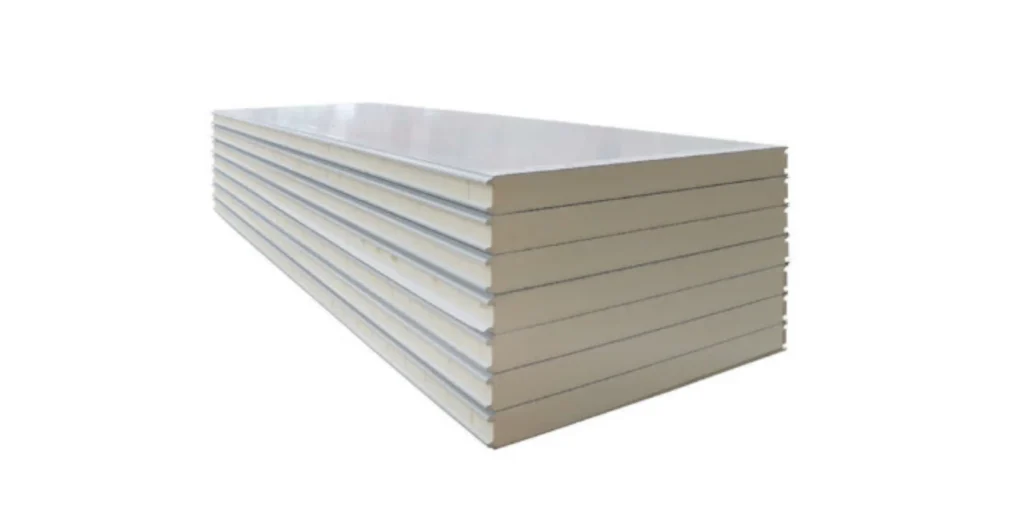
EPS
Consider for general enclosure where the specified insulation and fire-related requirements can be met. Confirm the actual roof or wall system, not only the core name.
Explore EPS wall panels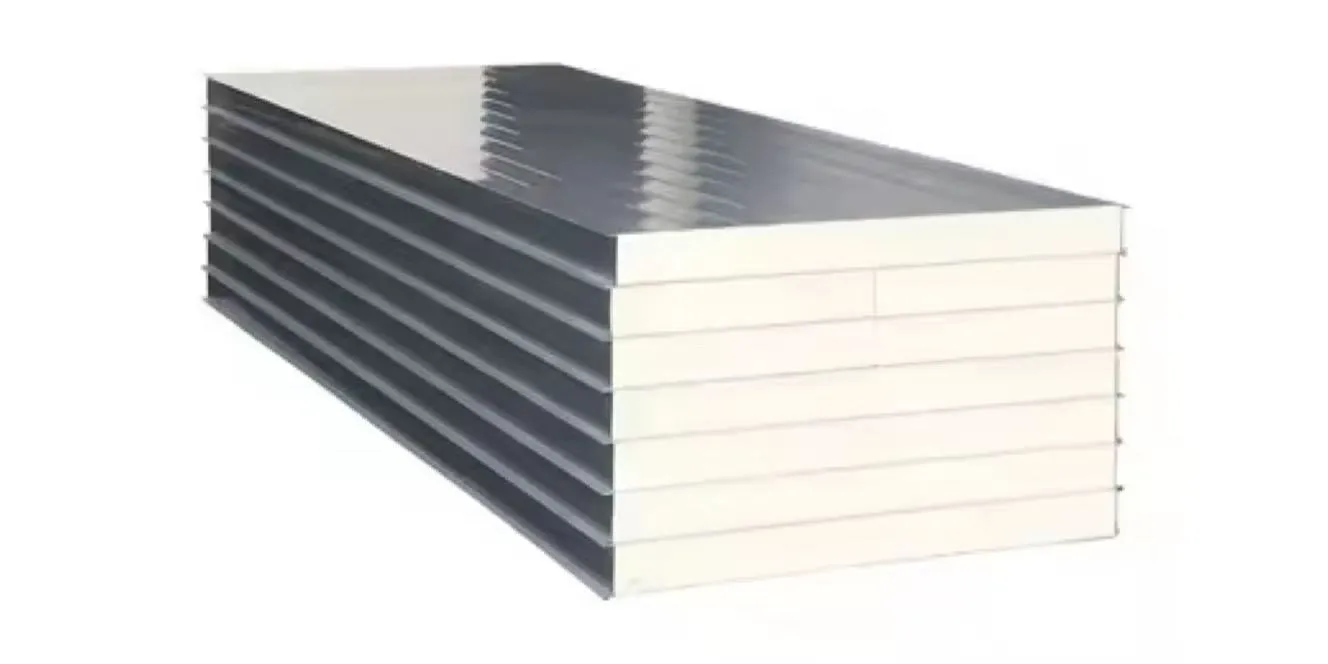
PU
Consider where thermal performance is a priority. Verify panel thickness, joints, use conditions and the supplied PU configuration.
Explore PU panels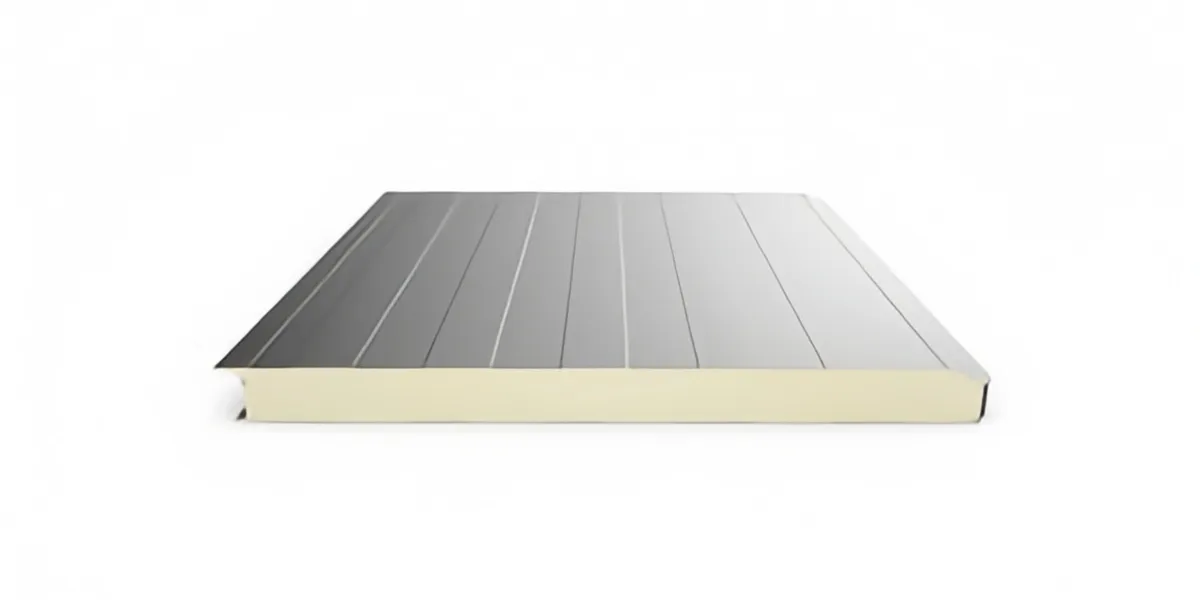
PIR
A related but distinct foam formulation. Confirm the core designation, tested assembly and availability before treating a proposed panel as PIR.
Review panel product options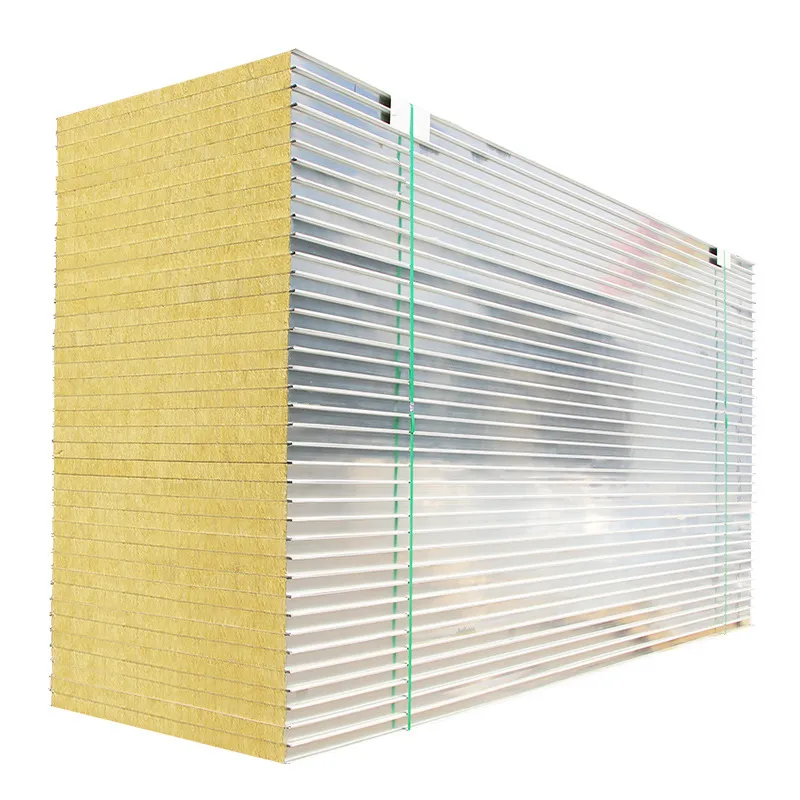
Rock wool
Often reviewed where fire-related or acoustic requirements matter. Confirm the complete tested system and distinguish standard panels from PU-edge variants.
Explore rock wool wall panelsWhat each option asks you to verify
These are selection prompts, not fixed performance rankings. Product, facing, joint design and available documentation can change the outcome.
No material choice by itself establishes a fire rating, U-value, acoustic rating, span or service life.
For a narrower warehouse scenario, see the warehouse sandwich panel comparison.
How to choose for your project
Give the panel supplier the conditions the building must handle. That narrows the options more reliably than choosing from a generic core ranking.
- 1. Building useDefine storage, production, cold-chain or other operating conditions and any special zones.
- 2. Thermal targetState the required envelope performance and temperature difference, if known.
- 3. Fire-related briefIdentify the applicable project requirements and which test or approval documents are needed.
- 4. Roof or wallSeparate roof drainage, support and penetrations from wall openings and girt coordination.
- 5. Climate and moistureRecord humidity, condensation, rain, coastal exposure and maintenance conditions.
- 6. Facing and finishConfirm steel face, profile, color and coating for the exposure environment.
- 7. DocumentationList drawings, product data, test reports and packing records the buyer must review.
For the earlier building-envelope decision between single-skin sheet, blanket insulation and integrated panels, use the steel building insulation systems guide. For temperature-controlled building coordination, see the cold-storage building solution; a core label alone does not resolve the entire cold-chain enclosure.
Roof and wall systems are not interchangeable
Roof panels
Coordinate profile, support spacing, drainage path, fasteners, joints, flashings and penetrations against the selected roof product. Core choice is only one input. See dedicated EPS roof, PU roof and rock wool roof pages for product-level details.
Wall panels
Review wall profile, girts, openings, joint treatment, edge protection and the intended finish. A rock-wool main core with PU at the edge remains a rock-wool-core configuration, not a PU-core panel. See standard rock wool wall panels and the distinct PU-edge rock wool wall variant.
Execution detail belongs in the roof panel installation guide; this materials hub does not replace it.
Specify the requirement, then review the evidence
The performance of a sandwich panel system depends on the complete panel build-up, joints, fixings, installation and available test documentation, not only on the core material.
Thermal
Confirm the required insulation outcome, selected thickness, joint continuity, thermal bridges and roof or wall detailing. Request technical data for the proposed configuration rather than borrowing a value from another panel.
Fire-related
Identify the project-specific classification or resistance requirement and review the relevant test scope for the complete assembly. Neither rock wool nor PIR alone guarantees a system result.
Moisture and weather
Assess vapour movement, condensation risk, joint sealing, edge protection, roof drainage, steel facing and exposure conditions together.
Acoustic and handling
If sound control or site handling matters, ask for the selected product’s documented performance and weight. Do not infer a fixed acoustic rating or installation method from the core family.
The steel faces and coating matter too
Core selection does not complete the specification. Confirm the metal facing, profile, coating/finish, corrosion exposure, joints, sealants and accessories for the intended environment. A single-skin color-coated sheet is a facing/cladding option, not an insulation core; see color steel sheet selection. Do not assume one coating system suits all sites.
Continue to the relevant panel option
These are routes for reviewing product-specific configurations, not claims that every variant is interchangeable or available from stock.
PU sandwich panels
Product-level wall/core choice and quotation inputs.
View PU panelsPU roof panels
Roof-specific profile, support and joint review.
View PU roof panelsRock wool roof panels
Standard rock-wool-core roof route.
View rock wool roof panelsPU-edge rock wool roof
Rock-wool main core with a distinct PU edge/joint configuration.
View PU-edge roof variantPU-edge rock wool wall
Wall-specific edge and joint variant, separate from standard wall panels.
View PU-edge wall variantEPS roof panels
EPS roof product route; confirm the roof configuration.
View EPS roof panelsWhat buyers should confirm
Share the project country and destination, building use, drawings, roof and wall quantities, operating temperatures where relevant, insulation target, fire-related requirements, climate/exposure, facing/coating preference, openings and documentation needs.
If the core material is not yet selected, provide those requirements first. The actual panel configuration, dimensions, technical data and delivery scope should be confirmed during quotation, not assumed from a generic materials overview.
Useful documents to review
Depending on the project and supplied system, review product data, material information, test evidence, drawings, identification/packing details and any specified inspection records. Availability and scope of documents should be confirmed for the selected order; this page does not promise every record for every project.
Sandwich panel materials FAQ
The answers below are general selection guidance. Product values and compliance must be checked for the proposed system.
1. What are the main sandwich panel core materials?
The main sandwich panel core materials are EPS (expanded polystyrene), PU (polyurethane), PIR (polyisocyanurate) and rock wool (mineral wool). Each has different thermal, fire-related, moisture, weight and cost characteristics. The appropriate choice depends on the specific project requirements and should be confirmed with the actual panel specification and supporting documentation.
2. How should I choose between EPS, PU, PIR and Rock Wool?
Selection should be based on the project requirements—insulation targets, fire-related requirements, moisture environment, roof or wall application, weight considerations, budget and project documentation. There is no single “best” core material for every project. The appropriate choice depends on the specific conditions and should be confirmed with the actual panel specification and supporting documentation.
3. Are PU and PIR sandwich panels the same?
PU and PIR are related rigid foam core materials with different formulations and should not be treated as interchangeable products. PIR may be considered when a project requires a different verified fire-performance profile from a standard PU system, but the required classification must be confirmed from the tested panel assembly and product documentation. Buyers should confirm the actual core designation, available test reports and project requirements when selecting between PU and PIR.
4. Which sandwich panel material should be considered for fire-sensitive projects?
Rock wool panels are commonly considered where fire-related performance is an important project requirement. However, fire performance depends on the complete tested panel system—including joints, fasteners, penetrations and steel faces—not the core material alone. Buyers should confirm the required documentation, test reports and applicable project standards before order.
5. Can the same sandwich panel material be used for both walls and roofs?
The core material may be similar, but roof and wall panel profiles, joints, support conditions, fastening, detailing and drainage can differ. Buyers should confirm the panel type—wall or roof—when selecting a core material and panel system. The complete panel system should be specified for the specific application.
Need help selecting a sandwich panel material?
Share your roof or wall application, environment and required documentation so the proposed system can be reviewed against the project brief.