
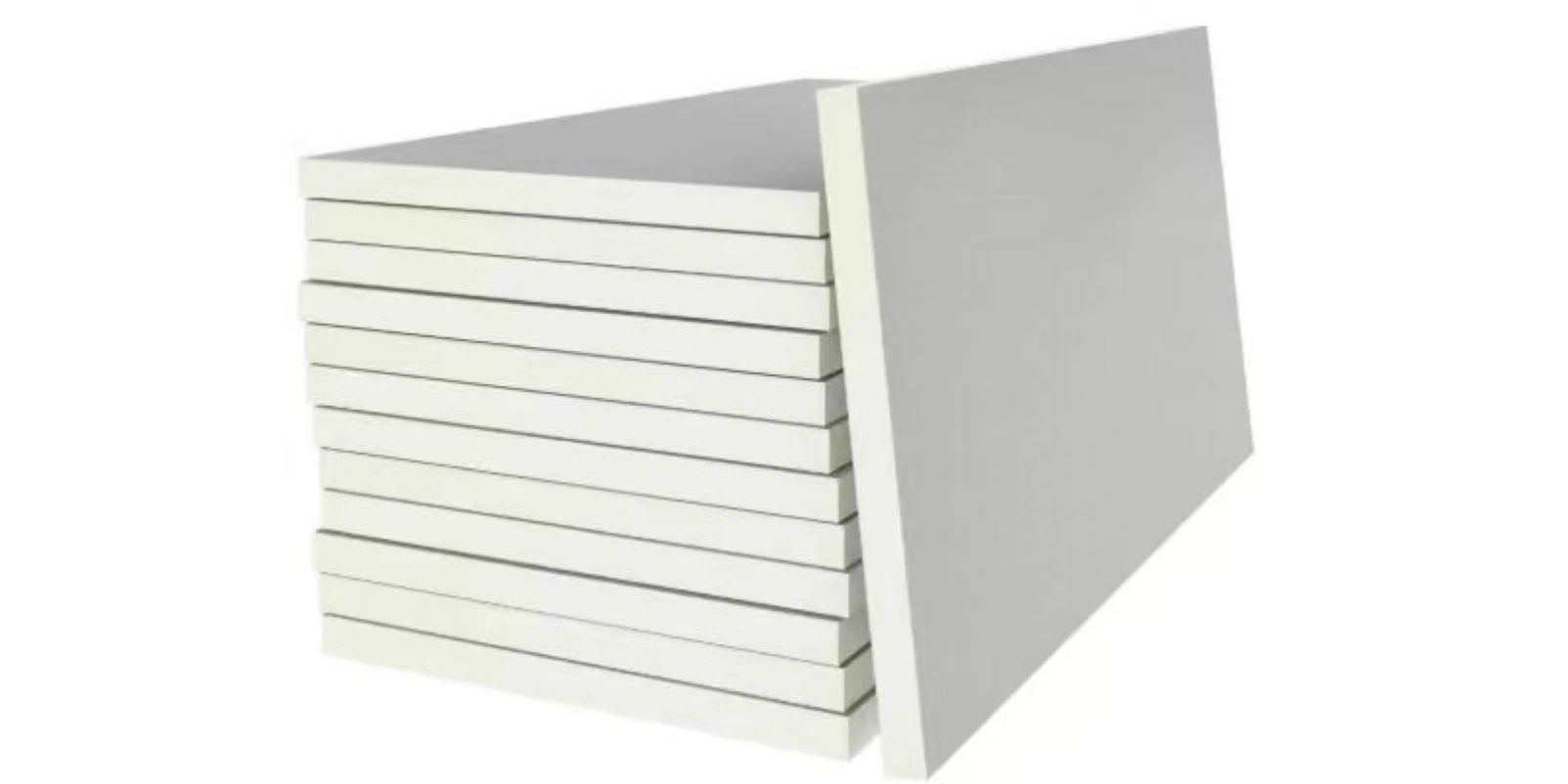
 EPS
EPS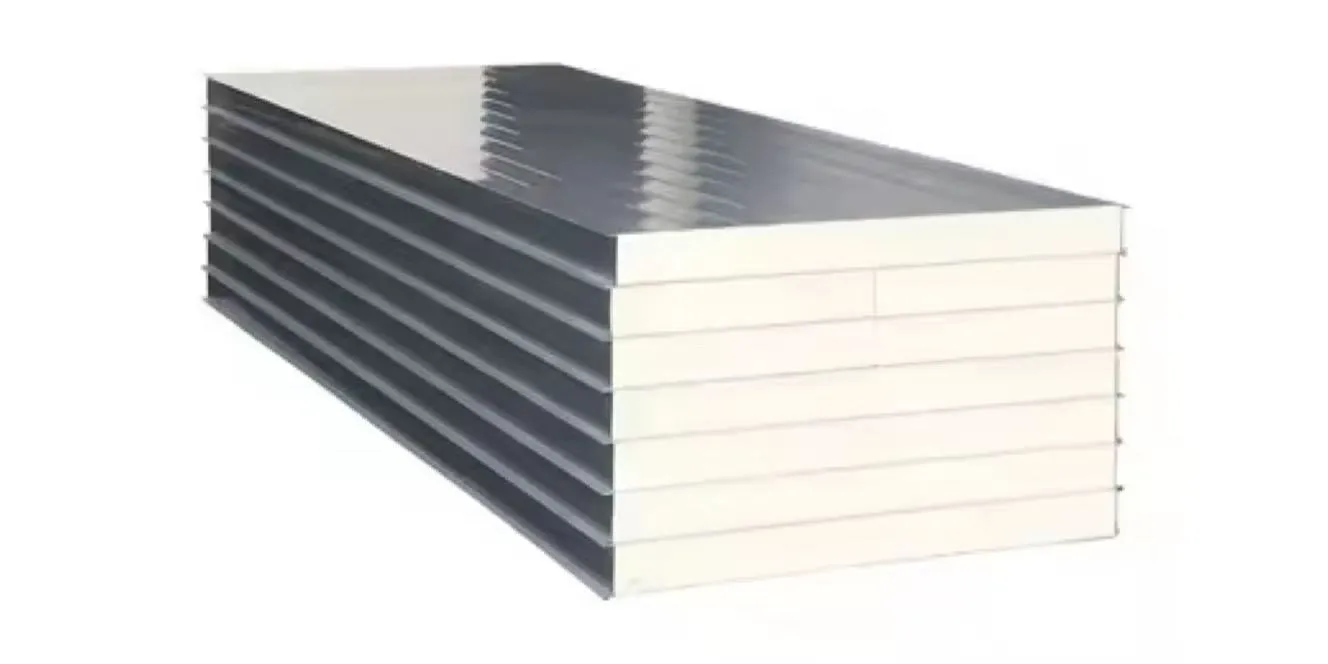 PU / PIR
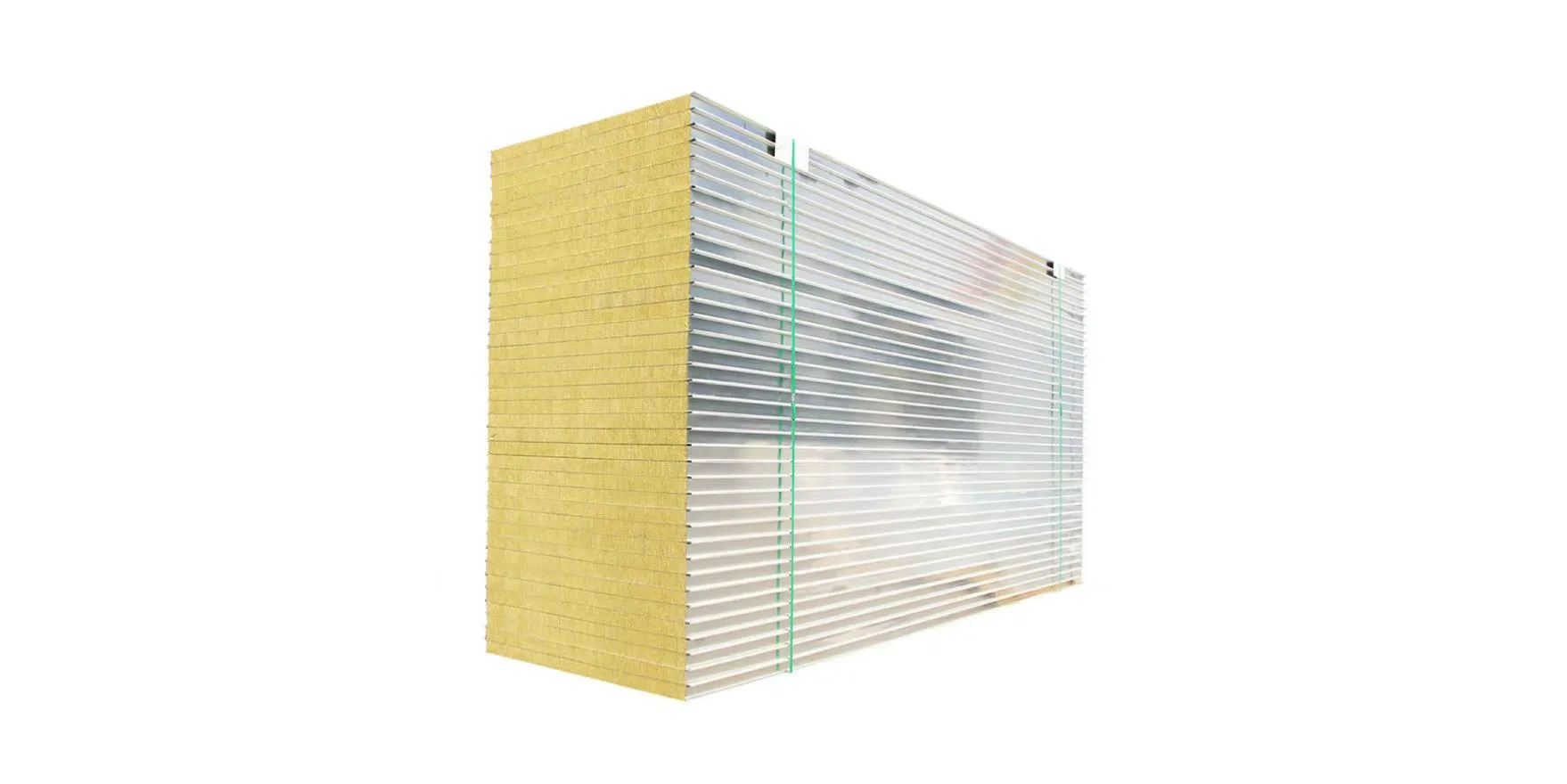 ROCK WOOL
WAREHOUSE SANDWICH PANEL COMPARISON
EPS vs PU vs Rock Wool Sandwich Panels: Which Is Best for a Steel Warehouse?
Compare EPS, PU/PIR and Rock Wool sandwich panels for steel warehouse roof and wall enclosure decisions. The suitable panel depends on building use, insulation needs, fire-related documentation, acoustic requirements, moisture conditions, product documents and quotation scope.
Quick Answer
There is no single best sandwich panel for every steel warehouse. EPS, PU/PIR and Rock Wool sandwich panels each fit different project requirements. The suitable panel depends on building use, insulation needs, fire-related documentation, acoustic considerations, moisture and condensation conditions, roof or wall application, temperature-sensitive storage requirements, budget and quotation scope, product documentation, project specification and delivery destination. Buyers should compare the materials based on confirmed project inputs rather than assuming one core type is universally better.
What This Comparison Is For
This page helps buyers decide which sandwich panel type to review next for warehouse roof and wall enclosure. It provides a balanced comparison of EPS, PU/PIR and Rock Wool panels, and routes buyers to the relevant product pages for more detailed procurement information. It is not a full material hub or a substitute for project-specific engineering and documentation review.
EPS Sandwich Panels
EPS sandwich panels are often reviewed for cost-sensitive warehouse enclosure and general storage applications where basic insulation is acceptable. They are lightweight and relatively easy to handle. EPS panels may be considered for wall and roof applications where the project requirements and supporting documentation confirm suitability. However, fire-related performance, thermal performance, moisture behaviour and project documentation must be checked for the specific project. EPS is not always the lowest-cost option when the full panel system, thickness, facings, accessories, quantity and delivery are considered.
PU / PIR Sandwich Panels
PU and PIR sandwich panels are often reviewed where insulation performance and enclosure efficiency are important. They are commonly considered for warehouse wall and selected roof applications. PU and PIR are related but not identical terms, and the exact product type, core formulation and performance documentation should be confirmed by the project specification. PU/PIR panels may be considered for temperature-sensitive storage or cold-room related projects where the panel system, joint design, vapour continuity and interface details meet the project requirements. Cost, fire documentation and roof or cold-room suitability depend on the product and project conditions.
Rock Wool Sandwich Panels
Rock Wool sandwich panels are often reviewed where fire-related documentation, acoustic considerations or industrial-use conditions are project concerns. They are commonly used for wall enclosure in warehouses and industrial buildings. Rock Wool may also be considered for temperature or industrial conditions where product documentation supports the use. However, Rock Wool is not universally fireproof, and performance must be confirmed from product-specific test documents. Weight, moisture behaviour, handling, joint design and project-specific documentation should also be checked.
Side-by-Side Comparison
| Comparison point | EPS | PU / PIR | Rock Wool |
|---|---|---|---|
| Common review reason | Often reviewed for cost-sensitive general warehouse enclosure where basic insulation is acceptable. | Often reviewed where insulation performance and enclosure efficiency are important. | Often reviewed where fire-related documentation, acoustic needs or industrial-use conditions matter. |
| Thermal performance | Depends on panel thickness, core properties, joint design and product documentation. | Depends on exact PU/PIR product type, panel thickness, joint design and product documentation. | Depends on panel construction, thickness, joint design and product documentation. |
| Fire-related documentation | Must be checked against project fire-related requirements where specified. | Must be checked against product-specific documents and project requirements. | Often reviewed for fire-related documentation, but performance must still be confirmed by test documents. |
| Acoustic consideration | Depends on the panel system and project requirements. | Depends on panel construction and product documentation. | May be reviewed where acoustic-related requirements are important. |
| Weight / handling | Handling depends on panel size, thickness, facings and site conditions. | Handling depends on panel size, thickness, facings and site conditions. | Handling, weight and installation coordination should be checked with the selected product and project scope. |
| Moisture / condensation | Joint and interface coordination are still required. | Vapour continuity and interface details are important for temperature-sensitive use. | Moisture behaviour, joint design and project-specific documents should be checked. |
| Typical warehouse review scenario | General storage and cost-sensitive enclosure review. | Insulated warehouse or temperature-sensitive area review. | Fire-documentation-focused, acoustic or industrial-use review. |
| Key documents to confirm | Core type, panel thickness if specified, facing material, joint profile, thermal/fire documents where specified, quantity and packing. | Exact PU/PIR type, panel thickness if specified, facing material, joint profile, thermal/fire documents where specified, quantity and packing. | Core type, facing material, joint profile, fire/acoustic documents where specified, quantity and packing. |
How to Choose for a Steel Warehouse
Cost-sensitive general warehouse
EPS may be reviewed, provided the confirmed panel system meets the project’s insulation and fire-related requirements.
Insulation-focused warehouse
PU/PIR panels may be reviewed where thermal performance is a priority. Confirm the exact product type and documentation.
Fire-documentation-focused project
Rock Wool may be reviewed where fire-related documentation is important. Confirm the tested panel assembly and project acceptance requirements.
Acoustic or industrial-use concern
Rock Wool may be considered where acoustic or industrial conditions require additional documentation.
Temperature-sensitive storage
PU/PIR or other suitable panel systems may be reviewed for cold-room or temperature-controlled areas. Confirm joint design, vapour continuity and interface details.
Roof versus wall application
Different panel profiles and joint details may be required. Review the dedicated product pages for roof and wall options.
Roof, Wall and Cold-Storage Boundaries
Wall panels and roof panels may need different profiles, joints and load-bearing details. Roof use must consider load, slope, water management, joints and drainage. Cold-storage or temperature-sensitive use requires project-specific review of panel type, thickness, joint design, vapour continuity, doors and interfaces. This page does not provide fixed roof or cold-room recommendations. Detailed product-specific requirements should be reviewed on the relevant product pages.
Facing, Joint, Accessory and Packing Factors
Metal facings, coating and color should be coordinated with project requirements and exposure conditions. Joint type affects enclosure continuity. Effective cover width affects quantity calculation and layout. Accessories may include trims, fasteners, flashing, closures and edge details. Packing and export loading should consider panel length, surface protection and bundle arrangement. These factors should be confirmed during quotation.
Documents Buyers Should Check
Buyers may need product-specific documents for core type, panel thickness if specified, thermal performance if specified, fire performance if specified, acoustic performance if specified, facing material, joint profile, coating and color, quantity and packing. No fixed test ratings are claimed here.
Product Routing
For more detailed product information, buyers can review the EPS Sandwich Panel, PU Sandwich Panel and Rock Wool Sandwich Wall Panel pages. The Sandwich Panel Materials page provides broader material options, and the Steel Building Insulation Systems page covers full insulation-system selection.
Information to Send for a Panel Comparison Review
- Project location
- Warehouse use
- Roof or wall application
- Temperature or insulation requirements if any
- Fire-related requirements if specified
- Acoustic requirements if any
- Preferred panel type if any
- Panel thickness if specified
- Facing, coating or color requirements
- Joint or profile requirements
- Roof or wall area or building dimensions
- Accessories and trims required
- Packing and delivery destination
Early project information can be reviewed first, even if the final panel specification is not complete.
Request a Panel Comparison Review
Send your warehouse use, roof or wall application, insulation requirements and delivery destination so Bingfa can help review which sandwich panel type should be considered.
Sandwich Panel Comparison FAQ
Which sandwich panel is best for a steel warehouse?
There is no universal best option. EPS, PU/PIR and Rock Wool should be compared according to project requirements. The suitable panel depends on insulation needs, fire-related documentation, acoustic considerations, moisture conditions, roof or wall application and confirmed project specification.
Is EPS sandwich panel always the lowest-cost option?
No. EPS is often reviewed for cost-sensitive projects, but final cost depends on specification, thickness, facings, accessories, quantity and delivery. Other panel types may be more suitable for certain project conditions.
Is PU or PIR better for insulation?
PU/PIR panels may be reviewed where insulation performance matters, but exact performance depends on product type, documentation and project specification. PU and PIR are related but not identical terms, and the exact product type should be confirmed.
Is Rock Wool sandwich panel always fireproof?
No. Rock Wool is often reviewed where fire-related documentation is important, but performance must be checked from product-specific test documents. It is not universally fireproof for every project condition.
What information should I send for sandwich panel comparison?
Send the project location, warehouse use, roof or wall application, temperature or insulation requirements if any, fire-related or acoustic requirements if specified, preferred panel type if any, panel thickness if specified, facing and coating requirements, joint or profile requirements, roof or wall area or building dimensions, accessories and trims required, and packing and delivery destination. Early information is enough to start the review.
Send Warehouse Panel Requirements
Send your warehouse use, roof or wall application, insulation requirements and delivery destination so Bingfa can help review which sandwich panel type should be considered.