
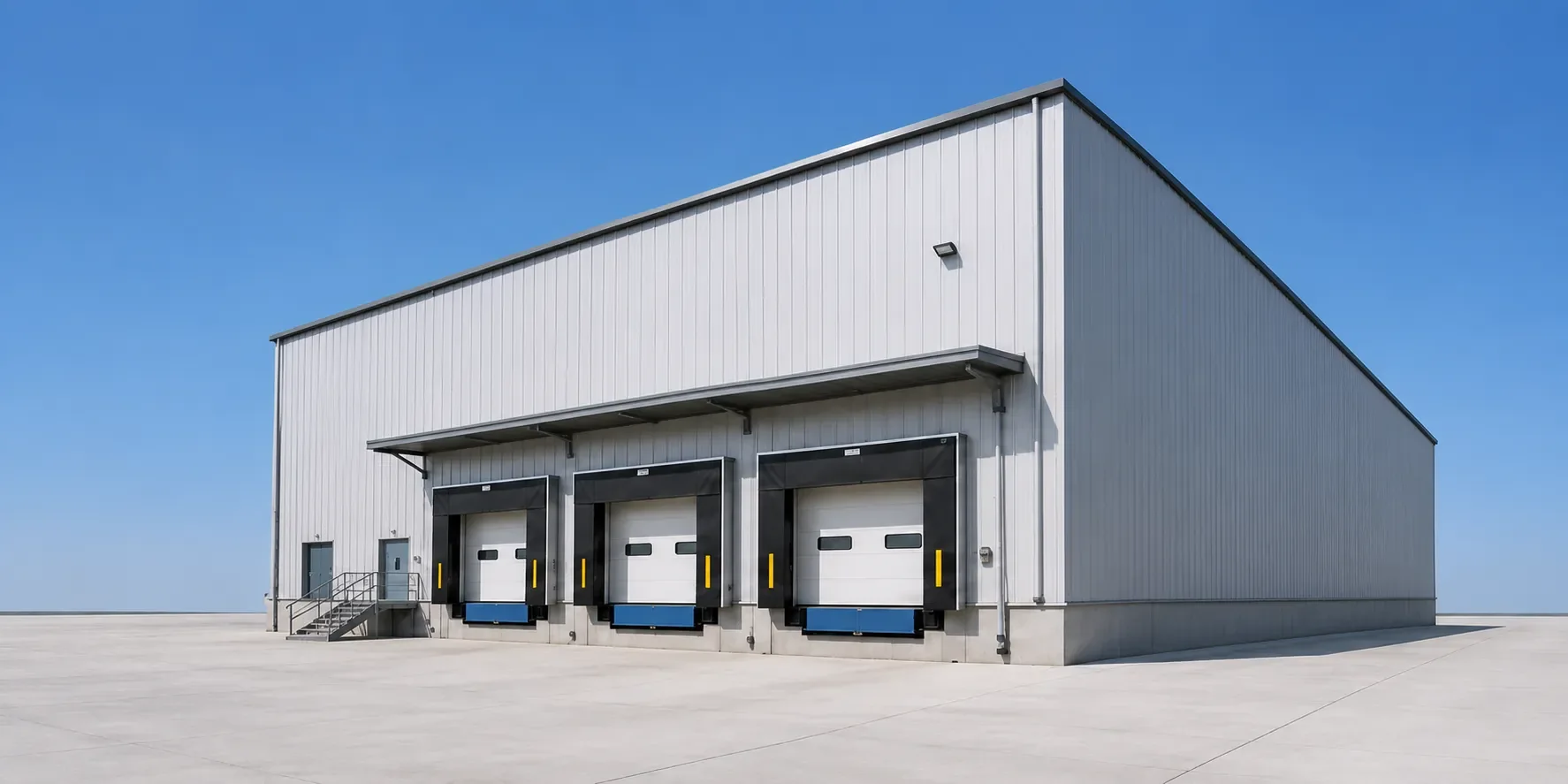
COLD STORAGE BUYING GUIDE
Cold Storage Warehouse Quotation Checklist
Use this checklist to confirm storage use, temperature zones, enclosure requirements, loading access, specialist interfaces and supply scope before requesting a cold storage warehouse quotation.
Quick answer: Before requesting a cold storage warehouse quotation, buyers should confirm the stored product, required temperature range, project location, building dimensions, internal zones, insulated roof and wall panels, doors, floor insulation, refrigeration-equipment scope, installation responsibility and destination port. Quotations can differ because suppliers may include different structural, enclosure, equipment, accessory, packing and installation items. Buyers should compare the same project conditions and clearly identify exclusions before evaluating price. A complete quotation request helps suppliers define the building scope accurately and reduces later changes, missing items and misunderstandings.
Why Cold Storage Warehouse Quotations Can Be Different
Cold storage warehouse quotations can be different even when the floor area looks similar. The stored product, required temperature, number of internal zones, door types, insulated panel scope, floor insulation, refrigeration-equipment scope, packing and destination port can all change the final offer.
Buyers should not compare only the total price. A fair comparison should use the same project conditions, building scope and exclusion list. If the project is still being defined, review the related steel cold storage warehouse building overview before preparing the quotation request.
Product, Temperature Range and Storage Zones
The stored product and operating temperature are the starting points for a cold storage quotation. Chilled storage, frozen storage and special product storage may require different enclosure details, room divisions and equipment coordination.
- Stored product and packaging method
- Required operating temperature range
- Project country, city and ambient climate
- Single-zone or multi-zone layout
- Loading, unloading and storage workflow
Warehouse Dimensions, Doors and Internal Layout
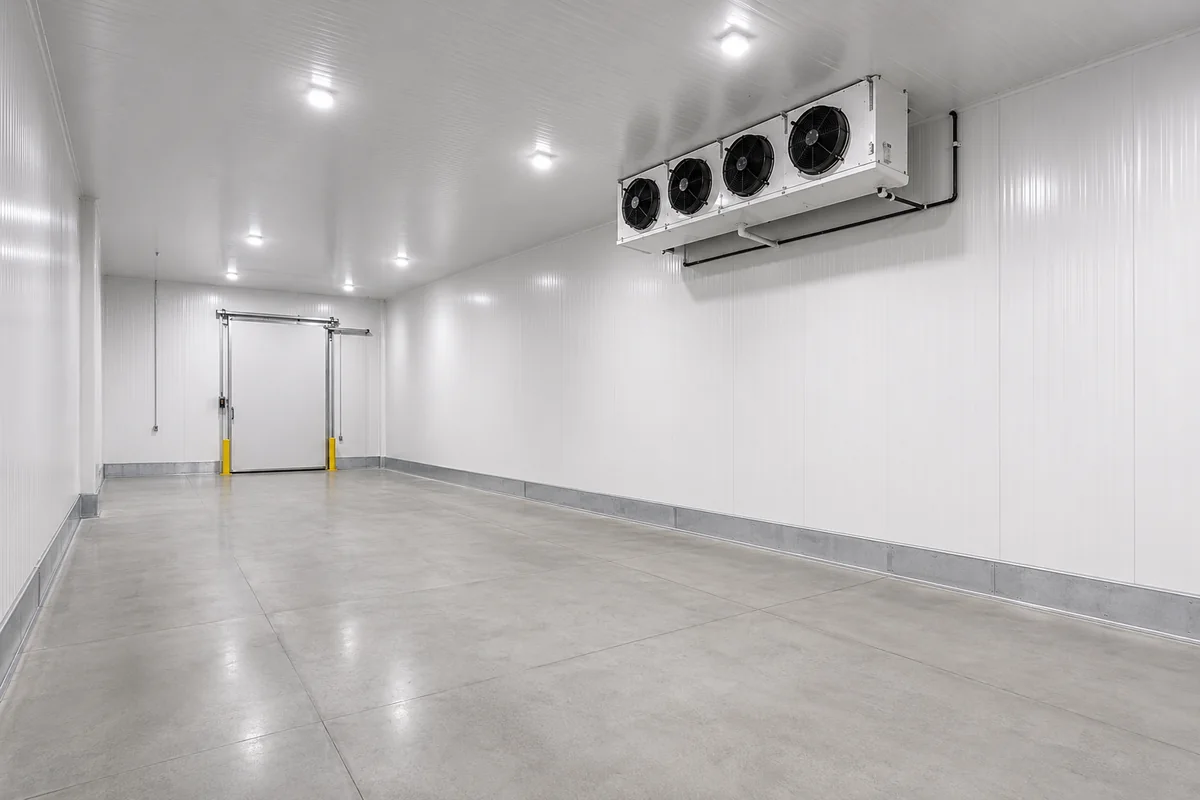
Building dimensions should be confirmed before suppliers estimate steel quantity, panel area and packing scope. Length, width, eave height and clear internal height affect the usable storage space and the structural layout.
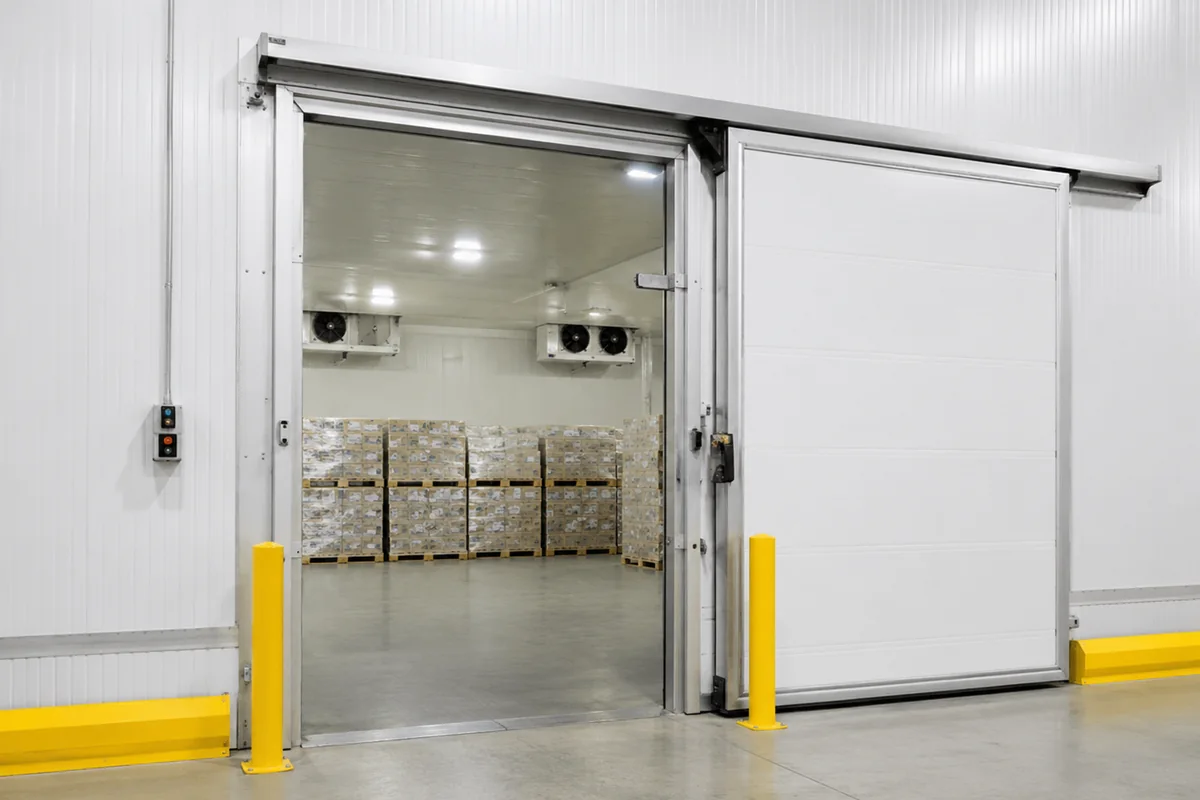
Buyers should also confirm personnel doors, cold-room doors, loading doors, dock requirements, internal partitions, column layout, equipment space and aisle requirements. These details help suppliers avoid missing openings, accessories or local coordination items.
Insulated Panels, Floor Insulation and Building Envelope Scope
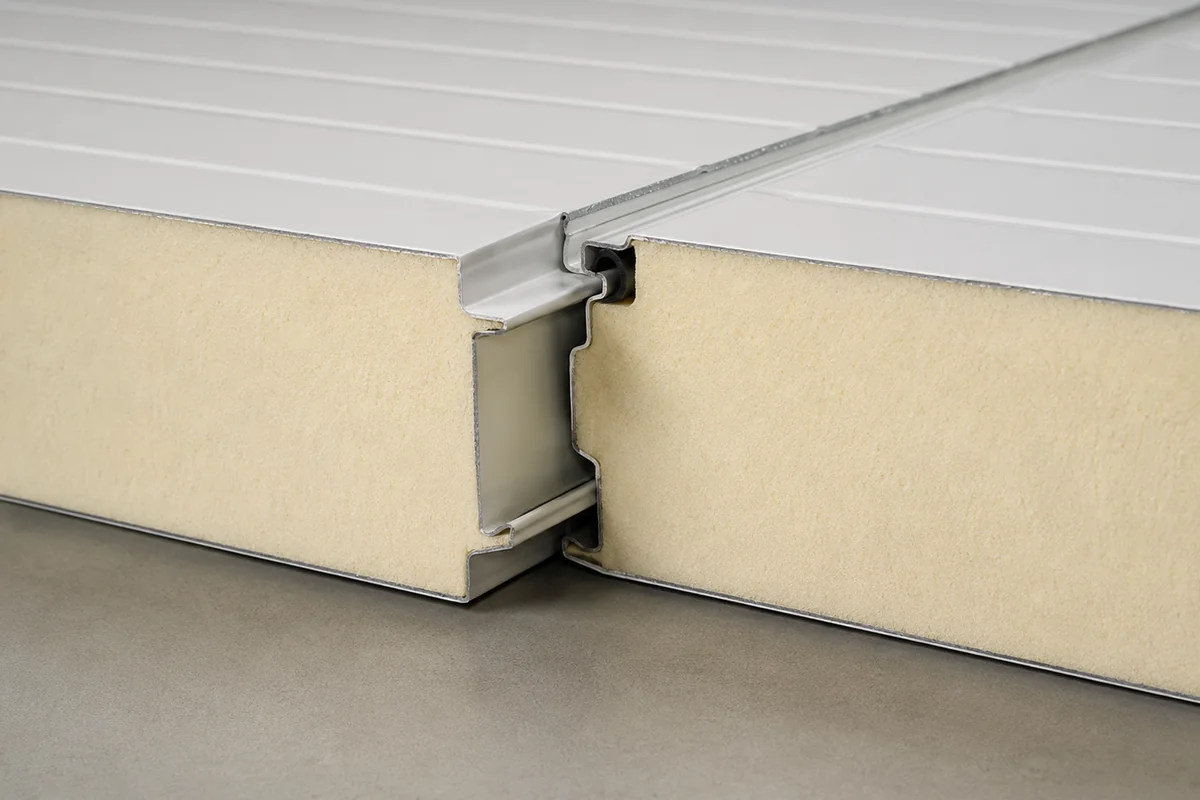
The building envelope should be described as a complete system, not only as a panel thickness. Buyers should confirm roof or wall application, core material, steel-sheet specification, joint profile, sealing method, vapor-control requirements, trims, flashings, penetrations and openings.
Panel selection may involve PU sandwich panel systems or other insulated panel materials depending on the project. For a broader material overview, compare options on the sandwich panel materials page instead of treating one material as a universal answer.
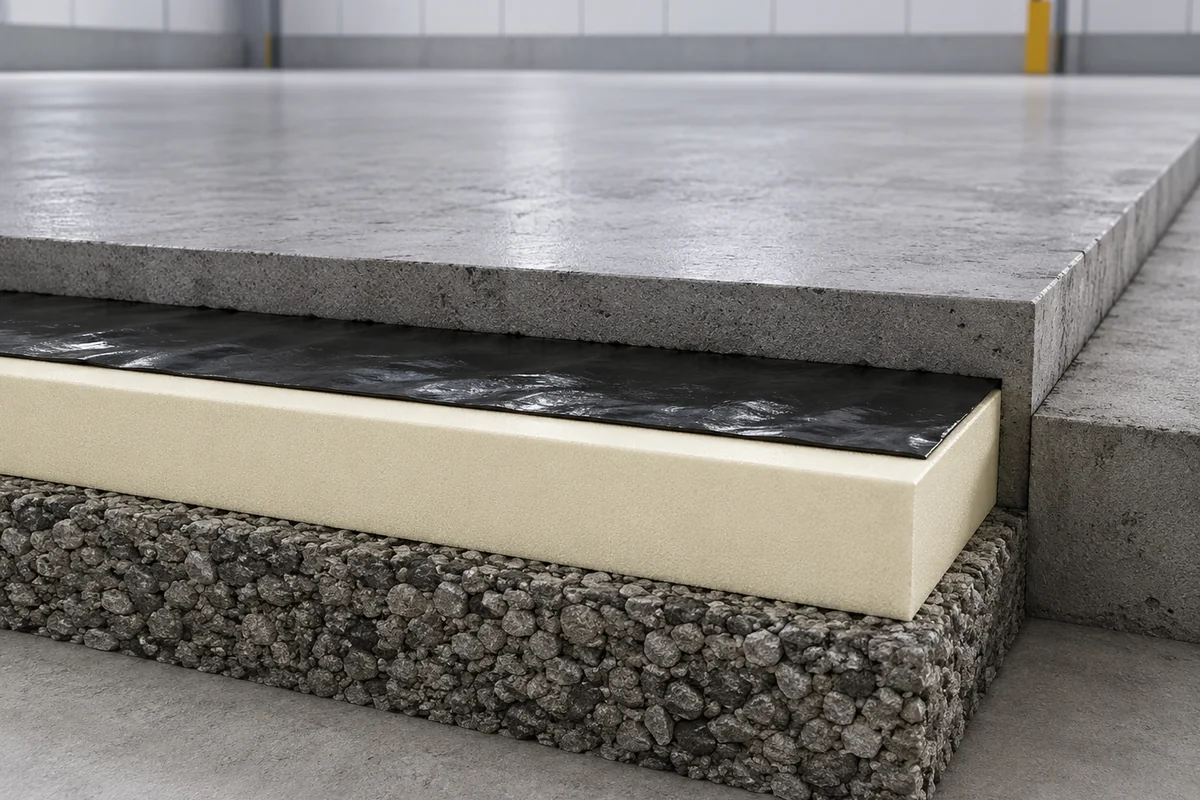
Floor insulation and vapor control should also be confirmed. Moisture, temperature difference, thermal bridges, drainage and floor work can affect cold storage performance and quotation scope.
Refrigeration Equipment vs Steel Building Scope
The steel building scope and refrigeration scope must be separated clearly. A steel building quotation may include the structural frame, secondary steel, roof and wall panels, trims, flashings, doors, fabrication drawings, packing and shipment.
Refrigeration units, piping, controls, electrical work, fire protection, local foundation, floor work, installation and commissioning may be supplied by different parties. Whether Bingfa Steel provides any refrigeration-related item must be confirmed for the specific project and should not be assumed from the building quotation alone.
Cold Storage Warehouse Quotation Checklist
The checklist below helps buyers send a clearer quotation request. It does not set fixed technical values; each item should be confirmed according to the project conditions, drawings and supply boundary.
| Item | Buyer Should Confirm | Why It Matters |
|---|---|---|
| Stored product | Product type, packaging and storage conditions | The stored product affects temperature, layout and handling requirements. |
| Required temperature range | Operating temperature and whether storage is chilled, frozen or special-purpose | Temperature requirements influence panel scope, floor insulation and equipment coordination. |
| Project location and local climate | Country, city and ambient conditions | Location affects design assumptions, moisture risk, packing and shipping. |
| Building length, width and height | External dimensions and required clear internal height | Dimensions affect steel quantity, panel area and usable storage space. |
| Internal temperature zones | Single-zone or multi-zone layout with partition locations | Zones affect internal panels, doors, workflow and equipment coordination. |
| Roof and wall panel requirements | Panel application, core material, steel sheets, joints, sealing and coating | The envelope scope affects insulation continuity, quotation scope and installation details. |
| Doors, openings and loading access | Personnel doors, cold-room doors, loading doors, docks and penetrations | Openings affect accessories, sealing, workflow and local coordination. |
| Floor insulation and vapor control | Whether floor insulation, vapor barrier and moisture-control items are included | Floor and vapor details can change both performance and responsibility boundaries. |
| Refrigeration-equipment scope | Included, excluded or supplied by another party | Equipment scope is a major reason quotations are not directly comparable. |
| Installation responsibility | Supplier scope, local contractor scope and commissioning responsibility | Clear responsibility reduces missing items and site disputes. |
| Packing method | Packing requirements based on panel length, steel members and accessories | Packing affects protection, loading plan and shipping cost. |
| Destination port | Destination port and shipping terms | Destination information is needed for logistics and quotation scope. |
For broader project planning, buyers may also compare the cold storage scope with standard steel warehouse buildings and other steel building products.
PROJECT REVIEW
If your storage use, temperature zones, preliminary dimensions, enclosure requirements, loading access and specialist interfaces are known, these inputs can be reviewed before quotation scope is compared.
Discuss Your Project RequirementsCommon Mistakes When Comparing Quotations
Many quotation problems come from comparing different scopes. One supplier may include more doors, panels, accessories or packing items, while another supplier may exclude them from the main price.
- Comparing different building dimensions or clear heights
- Ignoring design loads and local project conditions
- Not confirming temperature zones and internal partitions
- Comparing different insulated panel systems
- Overlooking floor insulation and vapor-control requirements
- Assuming refrigeration equipment is included
- Ignoring doors, accessories, packing and destination port
- Comparing total price without checking exclusions
PROJECT REVIEW
Send your project location, storage use, temperature-zone requirements, building dimensions, enclosure requirements and available drawings for an initial steel-building scope review.
Request a Project ReviewFAQ
What information is needed for a cold storage warehouse quotation?
Buyers should provide the project location, stored product, required temperature range, building dimensions, internal zones, panel requirements, doors, floor-insulation scope, refrigeration-equipment scope, installation responsibility, packing requirements and destination port.
Is refrigeration equipment included in the steel building quotation?
Not automatically. The quotation should state whether refrigeration units, piping, controls, electrical work, installation and commissioning are included, excluded or supplied by another party.
How do insulated panels affect the quotation?
Insulated panels affect the roof and wall area, joint system, sealing details, coating, packing and installation scope. Buyers should compare quotations using the same panel application and confirmed specification.
Can a cold storage warehouse have multiple temperature zones?
Yes. Multiple zones can be planned with insulated partitions, doors and separate operating requirements. Buyers should define the size, use and temperature requirement of each zone before requesting a quotation.
Should floor insulation be included in the quotation?
It should be confirmed. Floor insulation, vapor control, drainage and local floor work may be included or handled locally depending on the project scope and responsibility boundary.