BUYER GUIDE · FABRICATION QUALITY PLANNING
A structural steel inspection and test plan connects each agreed check with its timing, method, acceptance criteria, extent, responsible parties and records. Buyers should review the proposed ITP before the affected work begins, while inspection access and any required attendance can still be planned.
The useful question is not simply “Does the supplier have an ITP?” It is whether this revision tells the people on your project what to check, who must be involved and what permits the next activity to proceed.
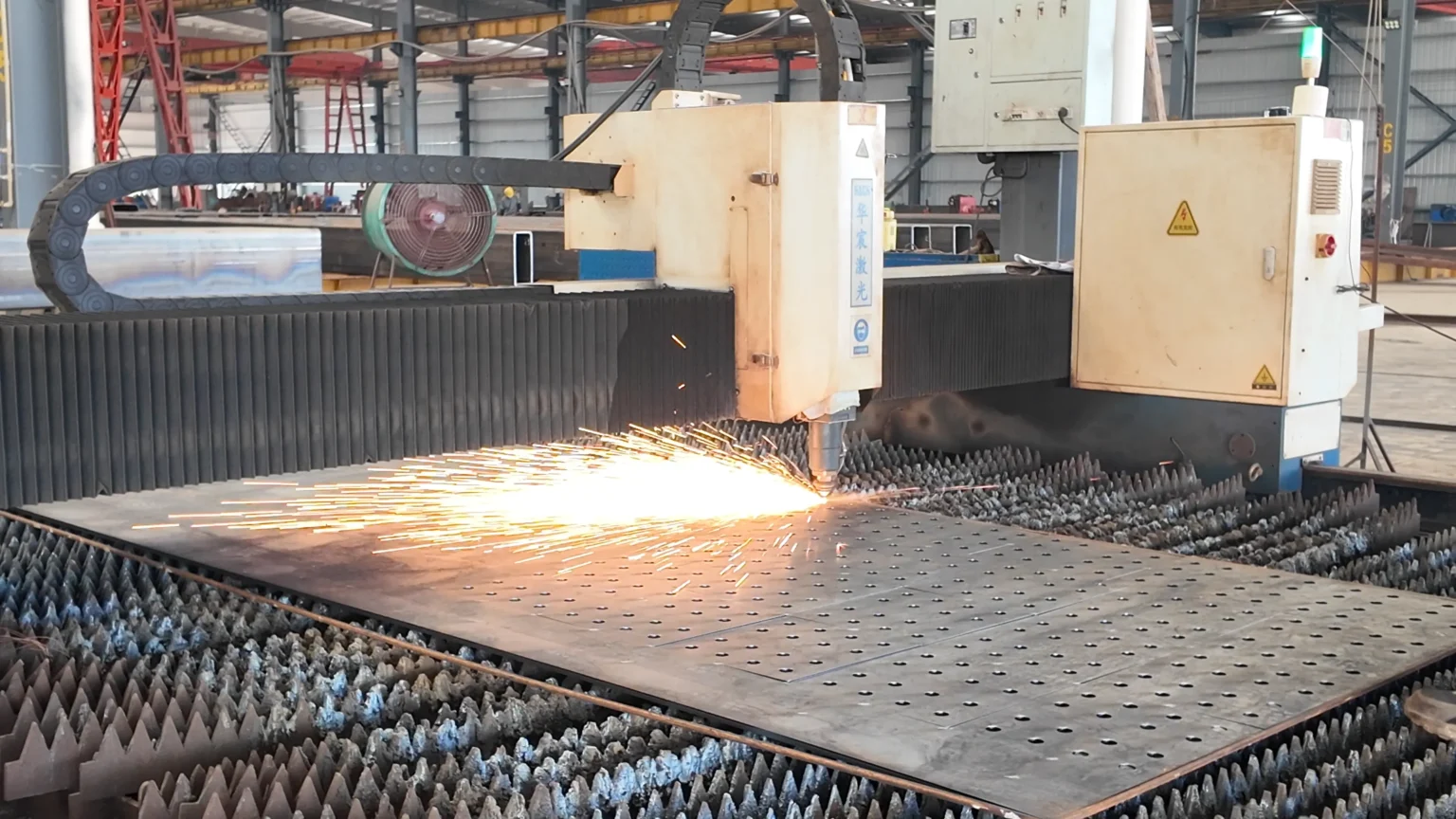
What an ITP does—and when to agree it
Read the ITP alongside the contract, project drawings and specifications, applicable standards and confirmed quality plan. The quality plan describes broader quality arrangements; the ITP plans inspection and testing; inspection reports record actual results. An ITP alone does not demonstrate that work has passed.
- At enquiry or tender: outline the proposed inspection scope and participation so that quotations include the relevant work.
- Before affected production: confirm the ITP revision, governing documents, responsibilities and intervention points.
- During fabrication: carry out the agreed checks, issue notifications and link results to the work inspected.
- At handover: assemble the agreed record package and resolve the release conditions assigned by the contract.
A factory audit assesses processes or capability within its commissioned scope. An ITP sets out project inspection arrangements. The pre-shipment inspection is an order-specific check near dispatch, while NDT examines specified items using an agreed method. None automatically replaces the others.
Inspection, Witness, Hold and Document Review
Define the legend on the project ITP. The letters below are shorthand used in this guide, not a universal coding system.
Inspection
An assigned person examines, measures or tests an item or activity against specified criteria and records the result. Identify the executing party and the required competence.
Witness
A designated party has an opportunity to attend the check. Agree notice, response and non-attendance rules. Proceed without attendance only when the agreed procedure permits it and its conditions have been met.
Hold
Work cannot pass the identified point until the designated authority releases it. Record the release, its date and any conditions. Silence or an unanswered invitation is not a hold-point release.
Document Review
A designated party reviews specified documents or records. This does not itself establish physical conformity or authorize an unrelated production or shipment step.
These are different actions, not four grades of inspection quality. One row may assign inspection to the fabricator, witnessing to an appointed inspector and document review to a buyer representative. Identify each party separately, including any authority to release a hold.
The hold/witness distinction is described by Oracle Aconex; the project’s agreed procedures govern how it operates on a particular order.
How to review a supplier’s proposed ITP
Read the plan as a sequence of decisions, not just a list of inspection subjects. For each row, check that the following information is usable.
- Scope and revision: identify the project, manufacturing location, component groups and covered processes. Include relevant subcontracted work and identify the current ITP revision.
- Criteria: cite the drawing, specification, procedure or standard, with its revision or edition and the applicable acceptance reference. “To standard” does not identify which requirement controls the result.
- Method, extent and timing: define what will be examined and how much. Use the applicable project requirements; do not invent percentages or leave an unresolved “as required.” Schedule fit-up checks before welding and relevant weld checks before coating conceals access.
- People and notices: identify who performs the check, who reviews or witnesses it, who releases a hold, and how each is notified. Include access arrangements and what happens if a witness cannot attend.
- Evidence: name the record or template and its link to member marks, weld identifiers, material batches or other required traceability. Agree document language, recipients and handover format.
- Exceptions: identify the route for nonconformities, repairs, retesting, concessions and revisions. A general “approved” signature must not conceal who accepted which result.
Use the dimensional tolerance guide to frame geometry acceptance questions. The ITP should then point to the actual project limits, measurement references and inspection records.
Discuss Your Fabrication Inspection Scope
What must be settled before the affected work starts?
Confirm production drawing revisions, material requirements and critical interfaces. Have conflicts between drawings, specifications and standards resolved by the authorized technical parties. An inspector should not have to invent an acceptance rule after fabrication.
Agree the applicable welding procedures and qualification requirements. For specified NDT, identify the items, method, coverage, timing, acceptance criteria and personnel requirements. The project-specific UT case illustrates a separate testing assignment; its reported scope is not a default inspection frequency for another order.
Also confirm the coating system and inspection stages, measuring-equipment control, packing requirements and record package. Arrange any required notices and hold releases before they affect production. The paint inspection guide covers coating evidence in more detail.
Not every stage needs a buyer hold point. Select intervention points according to applicable requirements, the consequences of the activity and the agreed allocation of responsibilities.
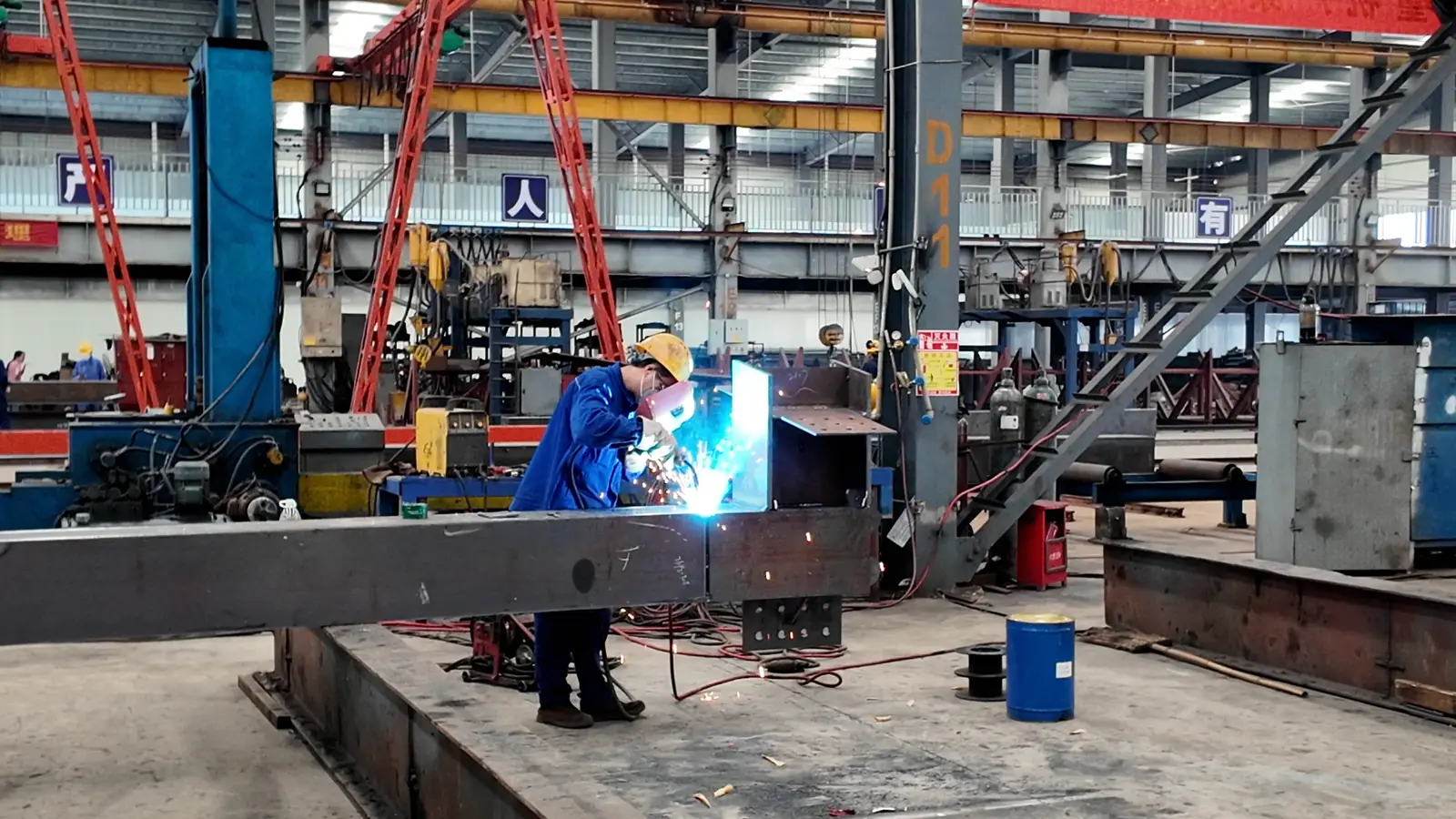
Example only: a compact fabrication ITP
On a small screen, swipe the table sideways to read all six columns.
| Stage | Check or evidence | Criteria reference to complete | Executing role to name | Other-party action to agree | Record to identify |
|---|---|---|---|---|---|
| Document baseline | Current drawings, specifications and ITP revision | Project document register; confirmed revisions | Fabricator’s document/quality coordinator | R; H before affected work only if required | Reviewed document list; ITP revision; any release |
| Materials | Required certificates, grade/size identification and traceability links | Purchase requirements; specified material standard and edition | Assigned receiving/QC personnel | R and any agreed inspection or attendance | Certificate file; receiving and traceability records |
| Dimensions and fit-up | Relevant sizes, hole positions and fit-up before welding | Drawing revision; dimensional and fit-up acceptance references | Assigned fabrication/QC personnel | I, W or H as required by the agreed plan | Dimensional and fit-up inspection records |
| Welding | Applicable procedure/qualification records; checks before, during and after welding | Applicable WPS, project specification and welding requirements | Assigned welding coordination/inspection personnel | R; W/H at specifically agreed stages | Welding and visual inspection records |
| Specified NDT | Identified welds/items; agreed method, coverage and timing | NDT procedure and applicable acceptance reference | Personnel qualified for the specified NDT task | R; any agreed W/H | Traceable NDT reports; repair/retest records if needed |
| Preparation and coating | Surface condition before coating; application conditions and required coating checks | Coating specification, applicable product instructions and acceptance references | Assigned coating/QC personnel | I, W or H at agreed stages | Preparation, coating and repair inspection records |
| Packing and handover | Marks, protection, packing list and agreed evidence package | Packing, documentation and release requirements | Assigned packing/QC/document personnel | R and final inspection/release as agreed | Packing list; final records; authorized release where required |
A working ITP must define inspection extent and criteria rather than copying these prompts. For example, “dimensions” still needs the features, measurement method, acceptance reference, extent and record. A certificate check must connect the reviewed document to the material identified for the work.
Who checks, confirms and records?
The fabricator performs and records its agreed QC duties. The buyer or appointed inspection organization reviews, witnesses or inspects within its agreed scope. A hold is released by the designated authority. Technical deviations and concessions go to the engineering or contractual parties authorized to decide them.
Third-party attendance does not replace supplier responsibilities. Likewise, an ITP signature is not automatically product certification, engineering approval or shipment release. Record what the signature means and which activity it permits.
Deal with findings and revisions without losing the evidence
Link a failed result or missing evidence to the affected component or activity. Record the issue, responsible person, proposed disposition and approving authority under the agreed nonconformity process. Define any correction, repair, reinspection or retest and the evidence required for closure.
Retain original results alongside follow-up records. Do not bypass an applicable hold while its release conditions remain unmet. If approved requirements change, revise and reissue the ITP, identify the superseded version and notify the people responsible for affected checks.
Frequently asked questions
Does an ITP replace an inspection report?
No. The ITP plans the checks and responsibilities. The report records actual results. A completed plan needs the supporting evidence specified for the project.
Must every stage be a hold point?
No. Agree which stages require a formal release before progression. Other stages may involve inspection, witnessing or document review. The choice follows applicable requirements and the agreed project arrangements.
Does an ITP mean all welds receive ultrasonic testing?
No. The NDT method, extent, timing and acceptance criteria must follow the applicable project requirements. Having an ITP does not establish any universal UT coverage percentage.
What should I do with an incomplete proposed ITP?
Return specific comments identifying missing criteria, inspection extent, responsibilities, notices or records. Resolve them through the authorized technical and commercial parties before the affected work begins.
Bring the inspection scope into the fabrication discussion
Share the available drawings, specifications, proposed ITP and required inspection involvement so the fabrication scope and outstanding decisions can be reviewed.
Request a Fabrication ReviewTechnical reference context
These sources inform the planning concepts; they do not establish a Bingfa certification, appointment or endorsement.
- Australian Steel Institute — TN018 v1, Ascertaining Compliance of Fabricated Steelwork (March 2025), especially pages 59–61, 65–66 and 91: works-specific planning, responsibilities and records in an Australian framework. Its requirements should not be treated as universal rules for every destination.
- Oracle Aconex — Hold Point / Witness Point: the distinction between required release and an opportunity to witness.
- AQSS — Witness Point and Hold Point in Welding Inspections: planning communications, verification and sign-offs around welding intervention points.