
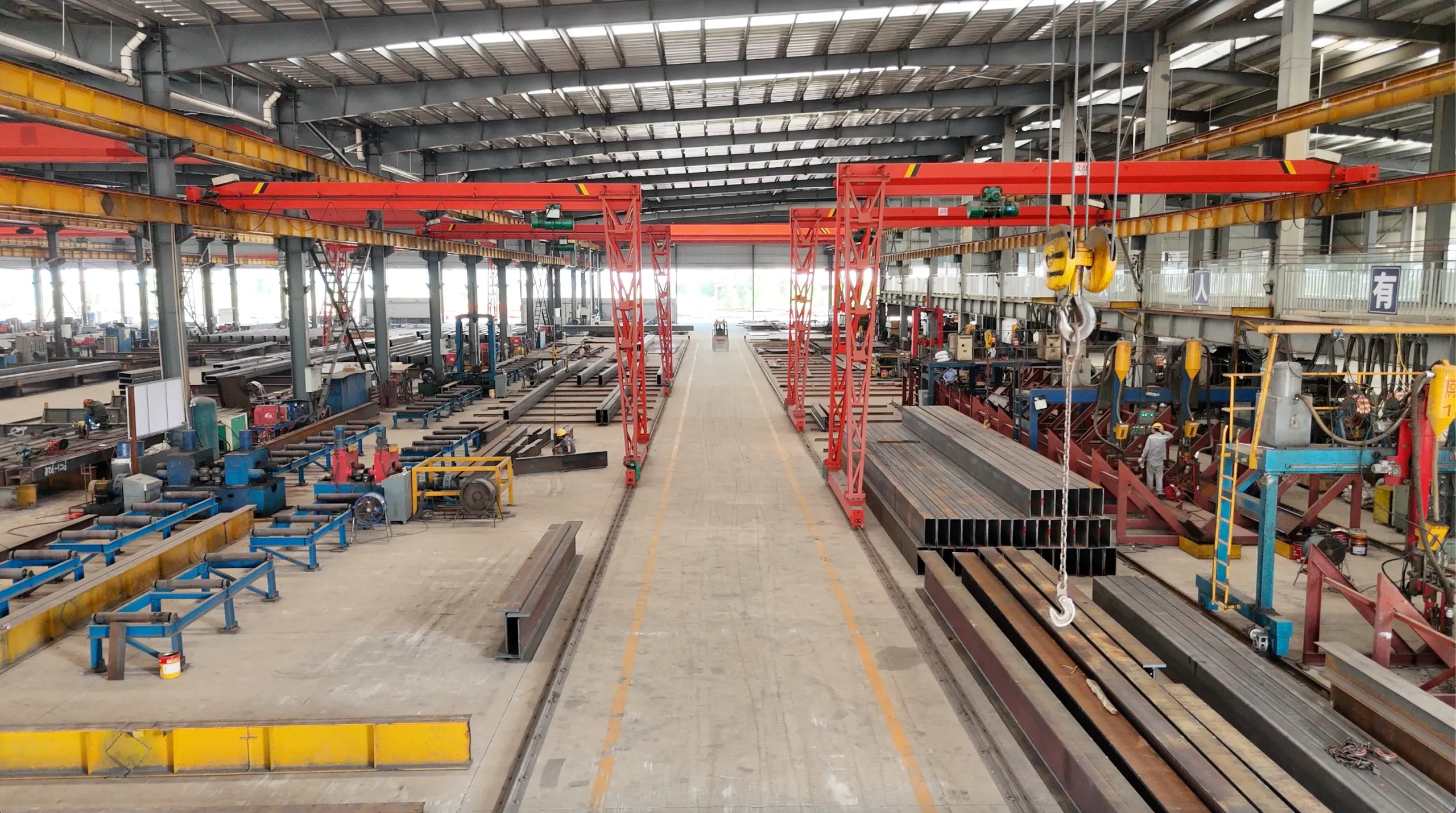
Steel Structure Quality Inspection Before Shipment
Review fabricated members, connection details, coating condition and packing readiness against the agreed drawings and inspection scope before loading.
What should a buyer check before steel is shipped?
A practical pre-shipment review checks whether fabricated components can be identified and whether the agreed dimensional, connection, fabrication, coating and packing requirements have been recorded. The approved drawings, specifications and inspection plan set the actual acceptance scope. Factory checks do not replace structural engineering approval or inspection after delivery and erection.
Member identification
Marks, drawing references and packing-list coordination.
Dimensions and connections
Critical sizes, hole positions and assembly interfaces.
Welding and completeness
Visible condition and specified inspection records.
Coating condition
Coverage, visible damage and agreed checks.
Packing readiness
Marks, bundling, protection and loading preparation.
Buyer records
Reviewable evidence within the agreed documentation scope.
Match Each Member to the Drawings and Packing List
Before components are bundled, the inspection should confirm that member marks and component references can be reconciled with the approved drawings and the packing list. This helps the buyer and erection team identify what is being shipped and what should be checked on receipt.
Material certificates, heat-number records or extended traceability should be reviewed where the project specification requires them. Traceability and material-document requirements depend on the project specification and agreed supply scope.
For the drawing approval boundary, see the steel structure drawing review guide.

Check Dimensions, Hole Positions and Connection Details
Overall member dimensions, critical connection dimensions, hole diameter and position, and fabrication alignment can be checked before loading. Dimensions and connection details should be checked against the approved drawings and applicable project tolerances.
Geometry
Confirm the dimensions and shapes that affect fit-up, support and the planned erection sequence.
Connections
Review hole groups, plates and connection interfaces against the approved details, with any deviations recorded for resolution.
The inspection plan should identify which dimensions need measurement and who reviews a nonconforming result. There is no single tolerance that fits every steel building project.

Review Fabrication Completeness and Welding Records
Factory review can cover whether required plates, stiffeners and other details are present, whether weld locations correspond to the drawings, and whether visible weld condition calls for further review. The project inspection plan defines acceptance criteria and the records required.
Non-destructive testing may form part of the review where required by the project specification or inspection plan. It should not be assumed for every weld or every project. For a broader view of fabrication and supply interfaces, see Bingfa’s steel fabrication workshop building page.
Check Coating Condition at a Practical Level
Pre-shipment review can note coating coverage, visible damage, colour or finish where specified, and touch-up needs before packing. Specified thickness verification may also be reviewed where required by the project documents. This is one part of overall steel-structure QC, not a complete coating-system assessment.
For DFT, surface condition, damage and coating records in more detail, use the dedicated pre-shipment paint-quality inspection guide.
Confirm Packing and Loading Readiness
Before loading, reconcile component marks with the packing list and review how members are bundled, supported and protected for the agreed shipment plan. A pre-loading visual check can help identify exposed edges, loose items or surfaces needing attention.
Packing reduces avoidable handling exposure, but it cannot control every later transport or site-handling event. Loading records and protection arrangements should follow the agreed scope. The export packing and container-loading guide covers that interface in more depth.

Which Inspection Records Can Buyers Review?
The handover can identify what was checked, what remains open and which supporting records are available according to the agreed inspection and documentation scope.
Component and dimensional records
Member identification, drawing references, selected measurements and issue-resolution notes where specified.
Fabrication records
Weld and fabrication inspection reports, including specified testing where applicable.
Surface records
Coating observations or measurement records required by the confirmed coating plan.
Dispatch records
Photos, packing lists and loading records where included in the supply arrangement, plus customer or third-party inspection notes where agreed.
What Factory QC Does and Does Not Confirm
Factory QC verifies fabricated members against approved drawings, confirmed specifications and agreed inspection requirements. Its findings should be resolved through the project review process before shipment.
Within the factory review
Component identity, selected measurements, visible fabrication condition, specified tests, coating observations and packing readiness can be recorded as agreed.
Separate approvals and inspections
Structural engineering verification, local code and authority approval, foundation inspection, site erection inspection and independent certification remain separate responsibilities unless specifically contracted and documented.
For site interfaces, see the installation readiness guide. Bingfa’s project services page describes supply-side support.
Discuss Your Steel Structure Inspection Requirements
Share the available drawings, specification, project location and desired inspection records so Bingfa can review the pre-shipment QC scope with you.
Steel Structure Pre-Shipment QC FAQ
What is checked before structural steel is shipped?
The agreed pre-shipment review may cover member identification, selected dimensions and connection details, visible fabrication condition, specified weld checks, coating condition, packing readiness and supporting records. The approved drawings, specifications and inspection plan define the actual scope.
Are dimensions and hole positions checked before packing?
Selected dimensions, hole groups and connection interfaces can be checked before packing against approved drawings and applicable project tolerances. The inspection plan should identify the critical measurements and how any discrepancy is reviewed.
Is welding inspection included for every project?
Visible fabrication and weld condition can be reviewed as part of factory QC. The required weld inspection method and any non-destructive testing depend on the project specification or inspection plan; they should not be assumed for every weld.
Is coating inspection part of steel structure QC?
Yes, where coating is in the agreed supply scope. A general review may note coverage, visible damage and specified checks before packing. Detailed coating measurements and acceptance criteria belong in the project coating plan and its inspection records.
Can buyers or third-party inspectors review the steel before shipment?
Inspection participation can be arranged when it is included in the contract or agreed inspection plan. The buyer, supplier and any third-party inspector should confirm notice, access, acceptance points, records and release responsibility in advance.
Request a Steel Structure Project Review
Send the project documents and the checks you need before shipment so the inspection and documentation scope can be discussed.