
Steel Frame Workshop
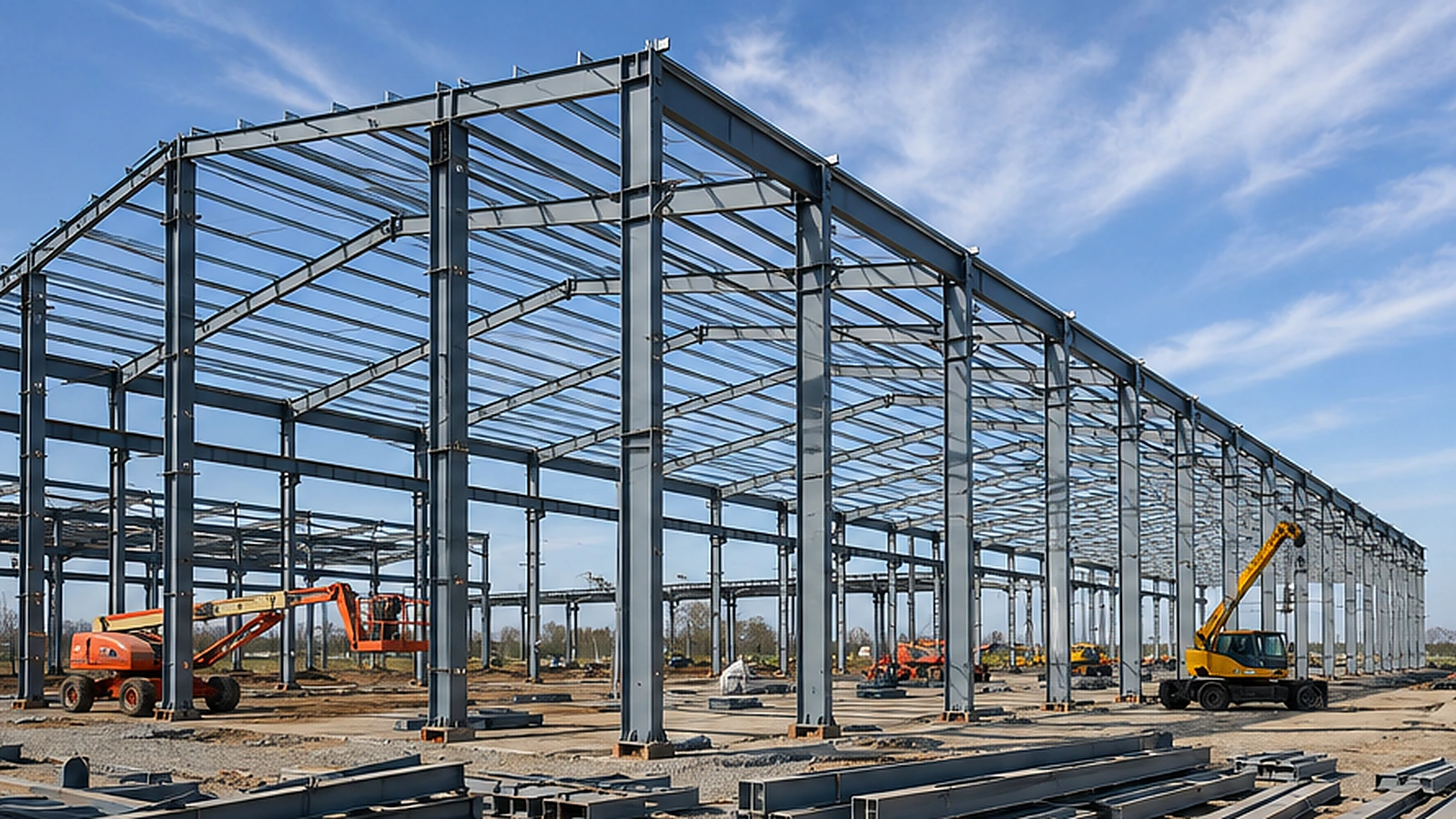
Bingfa supplies project-specific steel frame workshop solutions where the structural framing system is coordinated with building dimensions, production requirements, openings, equipment and project-specific engineering inputs. As a steel frame workshop provider with engineering coordination and fabrication capabilities, we focus on the structural frame—columns, rafters, portal frames, bracing and secondary framing—as the foundation of the workshop building.
What Is a Steel Frame Workshop?
A steel frame workshop is an industrial building in which the primary load-bearing system is constructed from structural steel members—columns, rafters, portal frames, bracing and secondary framing. The structural frame supports the roof, wall enclosure and any additional loads such as cranes, mezzanines or equipment, and transfers those loads to the foundations.
Unlike a general workshop description, this page focuses specifically on the structural framing system: how columns, rafters and bracing are configured, how they coordinate with building geometry and loads, and what buyers should confirm before fabrication. The frame configuration must follow the actual project requirements—there is no fixed standard model that applies to every workshop.
Buyers who need a broader complete-building overview can compare this page with our steel structure workshop page and the wider steel workshop solutions range.
Main Structural Frame System
The structural frame of a steel workshop consists of several interconnected components that work together to support the building.
Columns
Columns are the vertical structural members that transfer loads from the roof, floors and any overhead equipment to the foundations. Column positions are determined by the building layout, the required clear span, and the location of production equipment and circulation routes. The column arrangement should be coordinated with the operational layout before the structural design is finalized.
Rafters
Rafters are the horizontal or sloping members that span between columns and support the roof system. They transfer roof loads, including dead loads, live loads and environmental loads, to the columns. The rafter configuration depends on the building width, roof slope and design loads.
Portal Frames
Portal frames combine columns and rafters into a rigid structural unit that provides both vertical support and lateral stability. Portal-frame systems typically coordinate columns and rafters through rigid frame connections, with the final connection arrangement determined by the structural design. Portal frames are commonly used in workshop buildings where clear interior space is required.
Load Path and Structural Coordination
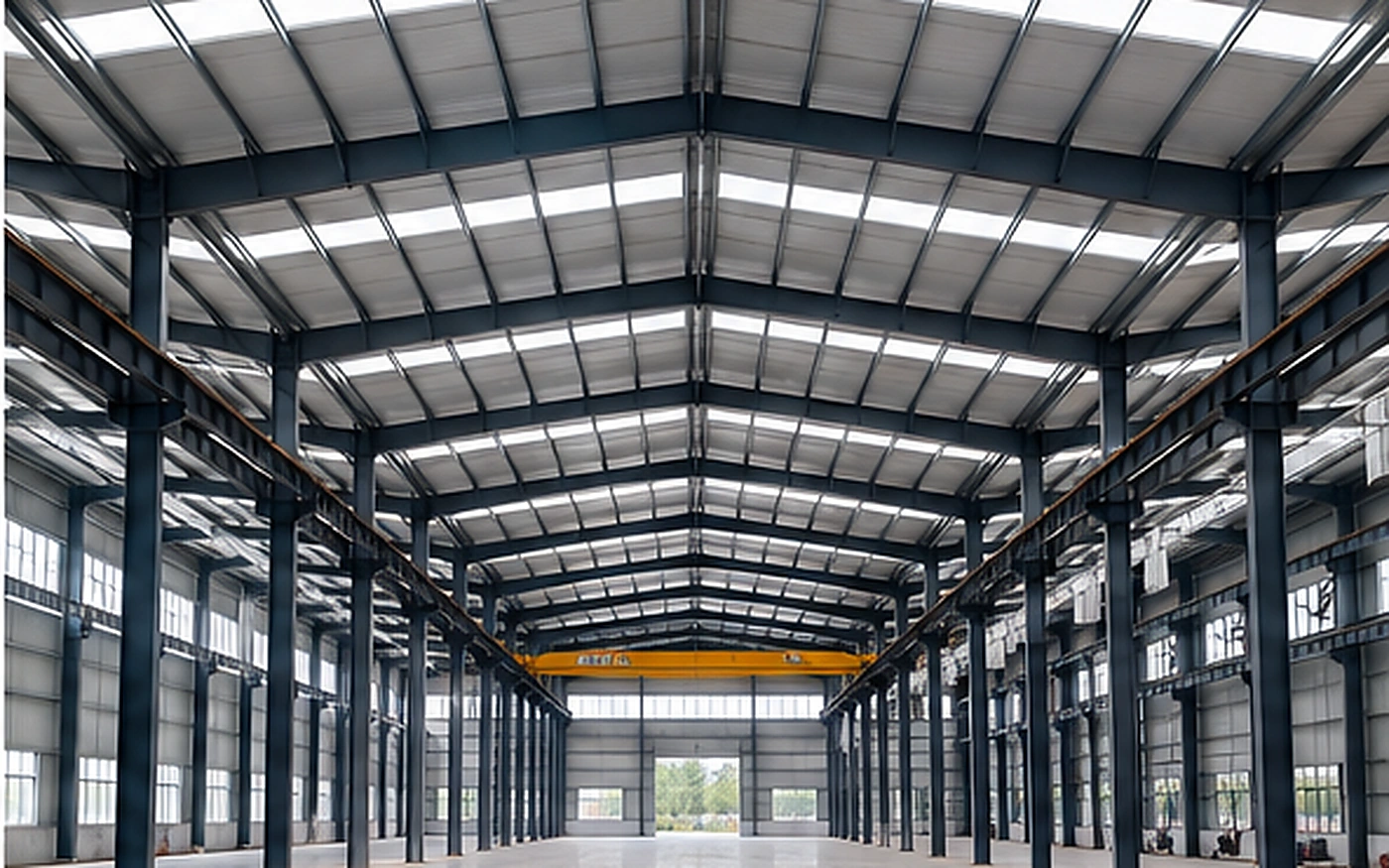
The structural frame is designed to transfer loads from the roof and walls through the framing system to the foundations. Loads follow a path from the roof system to purlins and rafters, then to columns, and finally to the foundations. Bracing and connections are coordinated to maintain the stability of the frame under the confirmed project design conditions. The specific load path depends on the structural configuration and should be confirmed by engineering review.
Bracing and Secondary Framing
In addition to the primary frame, a steel workshop requires bracing and secondary framing to provide stability and support for the building enclosure.
Roof Bracing
Roof bracing is located in the roof plane and transfers horizontal loads from the roof system to the primary frames. It helps maintain the stability of the roof structure under wind and other horizontal loads. The location and configuration of roof bracing should be coordinated with roof openings, roof-mounted equipment and the overall frame layout.
Wall Bracing
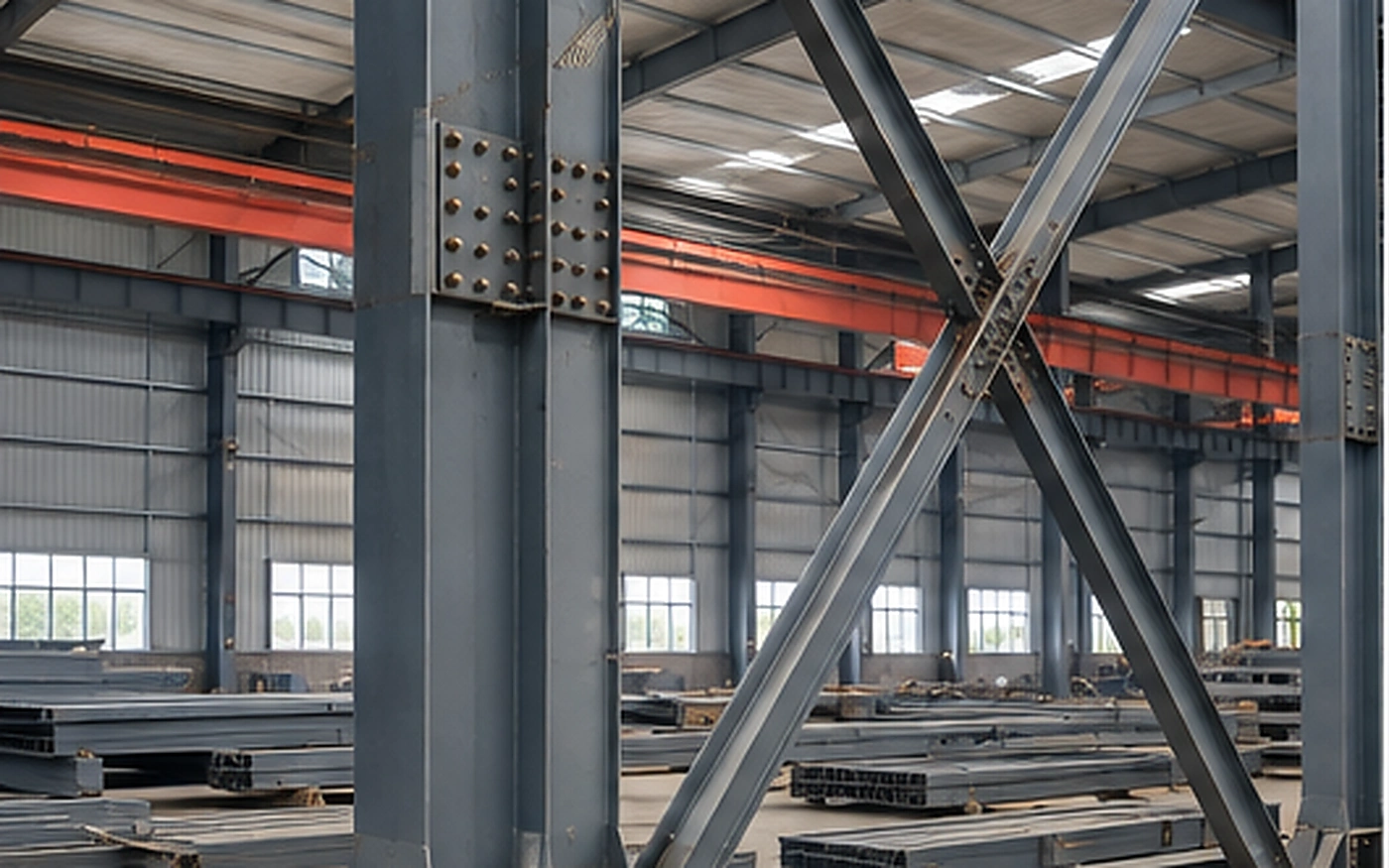
Wall bracing is located in the wall plane and transfers horizontal loads from the wall system to the columns and foundations. It provides lateral stability to the building and should be coordinated with wall openings, doors and the column layout before fabrication.
Purlins and Girts
Purlins are horizontal members that span between rafters and support roof panels. Girts are horizontal members that span between columns and support wall panels. Both are part of the secondary framing system and provide support for the enclosure. Their spacing and configuration depend on the cladding type, the span between primary frames and the project loads. For component-level context, see our C & Z steel purlins.
How Frame Configuration Follows the Project
The steel frame configuration should be determined by the actual project requirements rather than applied from a fixed standard model. Key factors that influence the frame design include:
- Building length, width and height — The overall dimensions determine the span and layout of the frame.
- Production layout — The position of equipment, workstations and material flow affects column placement.
- Internal columns where applicable — Whether columns can be placed within the floor area or if clear span is required.
- Equipment — The type, weight and position of equipment affect floor loads and frame requirements.
- Large openings — The size and position of doors and equipment openings affect the frame at opening locations.
- Material movement — The routes for materials and vehicles affect clear height and column layout.
- Future operational requirements where relevant — Potential future changes in equipment or layout should be considered during initial planning.
- Project location — Local climate and site conditions affect design requirements.
- Applicable design requirements — Wind, snow, seismic and other requirements should be confirmed for the project location.
The frame configuration should be reviewed for each project based on these factors. There is no universal frame design that works for every workshop.
Frame Coordination With Cranes, Openings and Enclosure
The steel frame must be coordinated with other building systems before fabrication.
Crane Requirements
If the workshop requires an overhead crane, the crane requirements must be confirmed before final structural design. Crane loads affect the design of columns, runway beams and foundations. Crane capacity, span and hook height should be provided to the engineering team. For more information on crane-ready workshops, refer to the steel workshop with overhead crane page.
Large Openings
Industrial doors and equipment openings require structural coordination with the frame. Large openings affect the placement of columns and bracing, and may require additional framing to transfer loads around the opening. Door positions should be confirmed before the structural design is finalized.
Roof and Wall Enclosure
The roof and wall enclosure is supported by purlins, girts and the primary frame. The enclosure selection, whether profiled steel sheets or insulated sandwich panels, affects the loads on the secondary framing. The frame and enclosure should be coordinated to ensure proper support and attachment. For panel selection context, review sandwich panel materials.
Discuss Your Structural Frame Requirements
Share your project location, building size, workshop use, equipment, crane requirement if applicable, and any available drawings or specifications. Our team can review your structural frame requirements.
Steel Frame Fabrication and Quality Inspection
As a steel frame workshop provider, Bingfa fabricates steel framing components according to confirmed drawings and project requirements.
Fabrication
Steel components are cut, drilled, assembled and welded according to confirmed fabrication drawings. The fabrication process is organized according to the confirmed structural scope and delivery requirements. Components are prepared for shipment with identification and protection. Buyers planning welding, assembly and production-focused facilities may also compare the steel fabrication workshop building page.
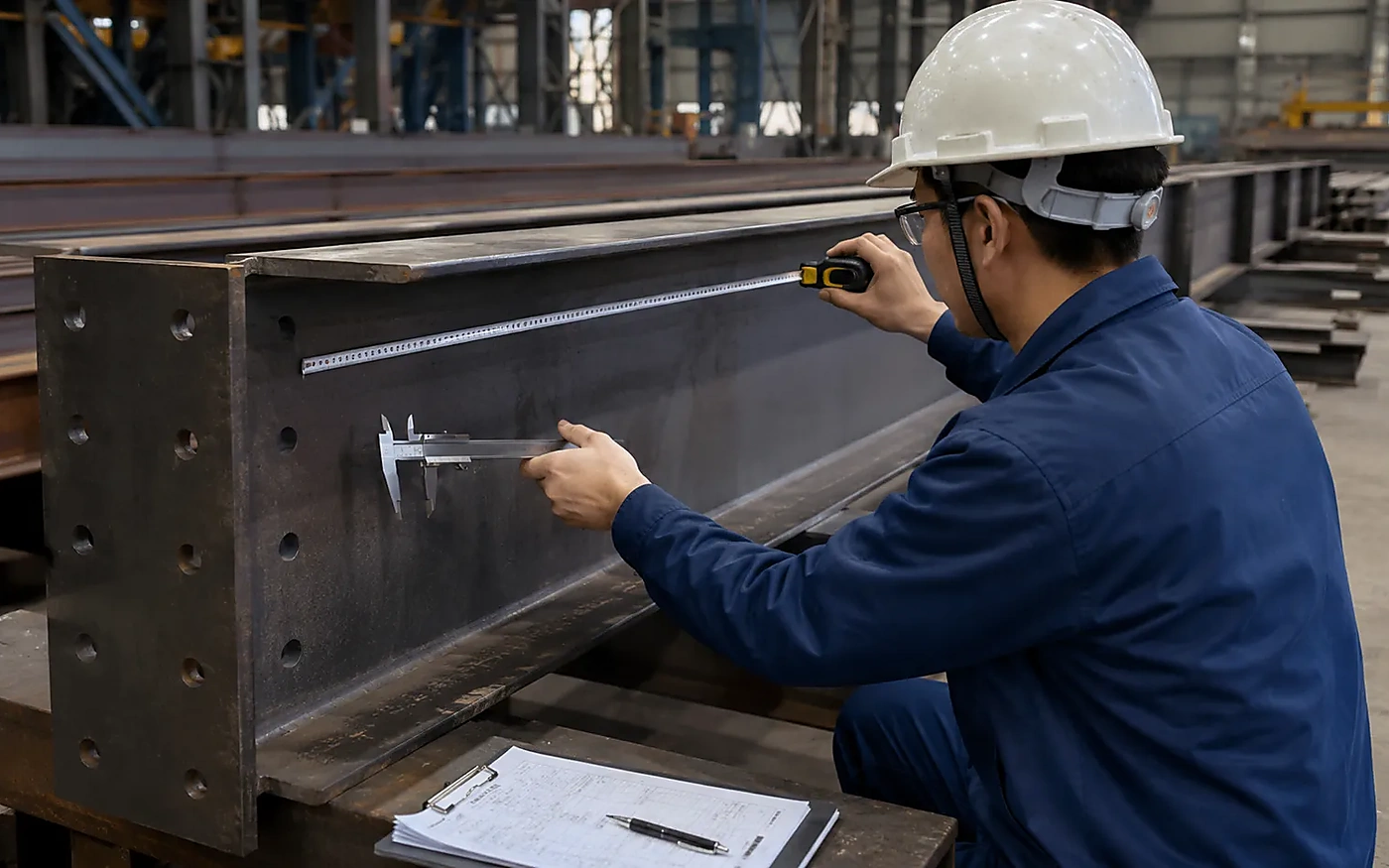
Dimensional and Hole Position Inspection
After fabrication, components are inspected for dimensions, hole positions and connection details. This helps ensure that components will align correctly during site assembly.
Packing and Shipment Preparation
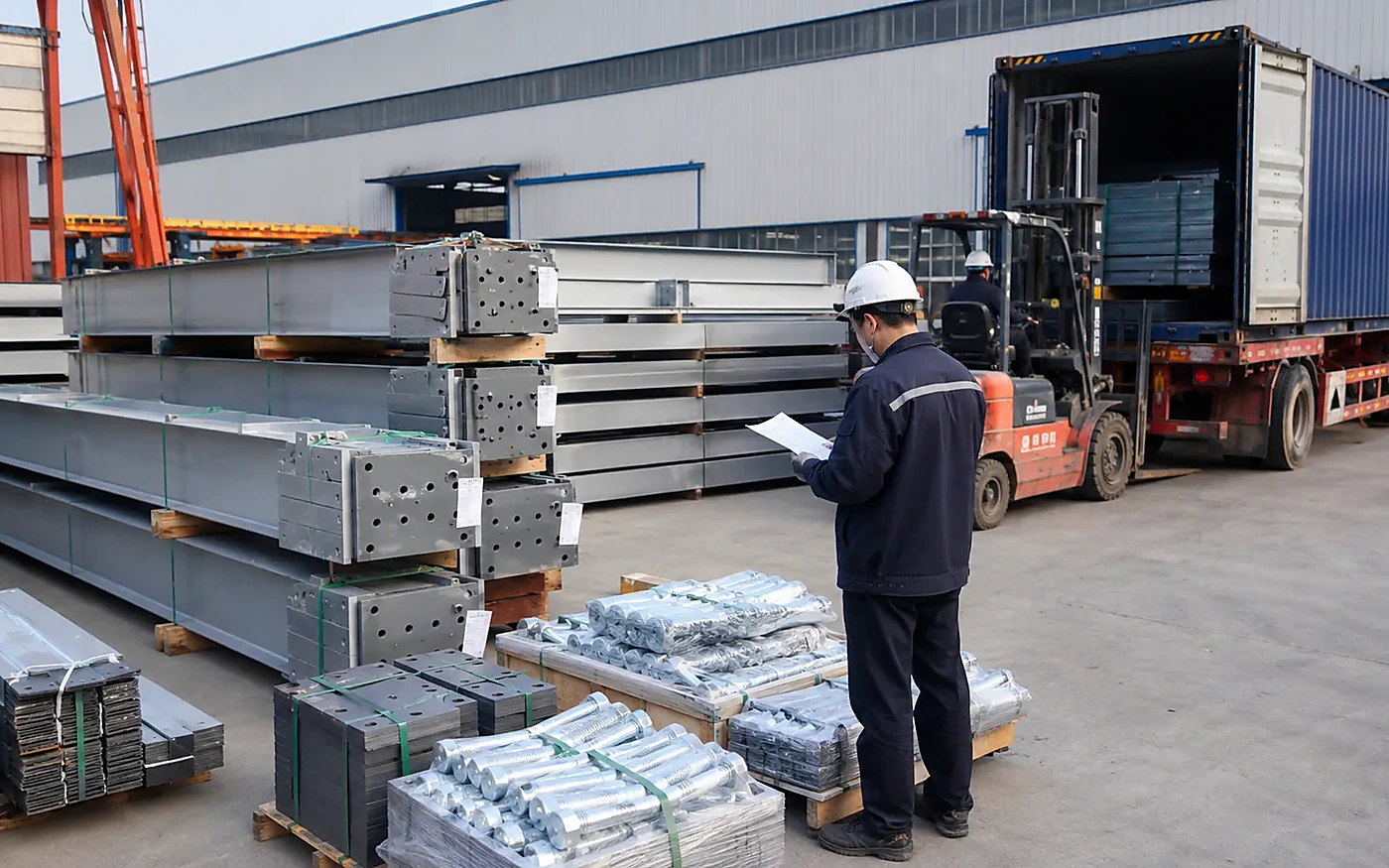
Steel frame components are identified, checked and prepared for packing and shipment according to the project delivery requirements. Packing is arranged to reduce the risk of handling and transport damage. Container loading is planned to use available space efficiently while maintaining protection and transport stability.
Information Needed for a Steel Frame Workshop Quote
To provide an accurate quotation for a steel frame workshop, the following information should be provided:
- Project location — Country, city and site conditions.
- Required building dimensions — Length, width and eave height.
- Intended workshop use — The primary production or operational activities.
- Equipment layout — Position and type of major equipment.
- Internal column preference if relevant — Whether columns can be placed within the floor area.
- Crane or mezzanine requirements — If applicable.
- Door and opening requirements — Size, type and position of openings.
- Enclosure requirements — Preferred roof and wall system.
- Available drawings — Preliminary layout and equipment information.
- Project specifications — Any specific requirements.
Not every project needs complete drawings at the first inquiry. Providing whatever information is available allows the project team to begin the review process.
What Affects Steel Workshop Frame Cost?
The cost of a steel workshop frame is influenced by project-specific factors rather than a fixed rate. Key factors that affect the quotation include:
- Structural configuration
- Building geometry
- Project location and design requirements
- Internal column arrangement
- Crane or mezzanine requirements
- Large openings
- Steel quantity determined by engineering
- Fabrication complexity
- Connection details
- Coating and surface treatment
- Packing and shipping scope
For a more detailed discussion of workshop cost factors, refer to the steel workshop building cost guide. For early space planning, the steel workshop layout guide can help buyers organize door access, equipment movement and internal clear space before quotation.
Related Workshop Solutions
Buyers comparing different steel workshop configurations can review the broader workshop product range before selecting a more specialized option.
Why Work With Bingfa?
Bingfa has been involved in steel structure manufacturing and project coordination since 2010, with 16 years of export experience across more than 35 countries. With over 150 steel building projects completed, a professional team of more than 100 members and a steel structure production capacity of 8,000 tons per month, we provide engineering coordination, steel fabrication, quality inspection, packing and export preparation for steel frame workshop projects.
Our approach focuses on understanding the project requirements, coordinating the structural frame with the building layout and preparing components for shipment according to the confirmed scope and delivery requirements.
Steel Frame Workshop FAQ
1. What information is needed to design a steel frame workshop?
The design team typically requires the building dimensions, project location, intended workshop use, equipment layout, internal column preference, crane or mezzanine requirements where applicable, door and opening requirements, and any available drawings or specifications. The more complete the project information, the clearer the design basis can be.
2. Can a steel frame workshop use internal columns?
Yes, where the layout allows. Internal columns can be incorporated into the structural frame to support the roof and reduce the span of the primary frames. The decision depends on operational requirements, including whether clear working space is needed or columns can be coordinated with the production layout.
3. Can overhead cranes be incorporated into the structural frame?
Yes, where required. Overhead crane loads affect the design of columns, runway beams and foundations. Crane capacity, span and hook height should be confirmed before the structural design is finalized so the frame can be designed according to the actual project requirements.
4. How are columns, rafters and bracing coordinated?
Columns, rafters and bracing are coordinated through the structural design process. Building dimensions, loads, openings and operational requirements determine the configuration of each member. Connections between members are designed to transfer loads according to the structural system and should be confirmed by engineering review.
5. Can Bingfa provide structural drawings and detailing?
The scope of structural drawings and detailing depends on the project requirements and confirmed supply responsibilities. Engineering documentation is prepared according to the project scope and should be confirmed during the quotation and order process. Local approval requirements should be coordinated with the relevant project parties and authorities.
6. How are steel frame components inspected and prepared for shipment?
After fabrication, components are inspected for dimensions, hole positions and connection details. They are then identified, checked and prepared for packing according to the project delivery requirements. Packing is arranged to reduce handling and transport damage risk, and shipping documentation is prepared according to the confirmed export and delivery scope.
Request a Steel Frame Workshop Quote
Share your project location, building size, intended use, equipment, crane or mezzanine requirements if applicable, and any available drawings or specifications. Our team can review your requirements and provide a quotation based on the confirmed project scope.