BUYER GUIDE · FACTORY VISITS & AUDIT PLANNING
To arrange a steel structure factory audit in China, define the decision it must support, appoint a competent independent provider, agree the scope, and confirm documents and site access. After the visit, review the findings and verify agreed actions before making the next purchasing decision.
This guide is for contractors and purchasing teams that have shortlisted a fabricator and need to organize an independent review. If you are still comparing candidates, start with our guide to choosing a steel structure supplier.
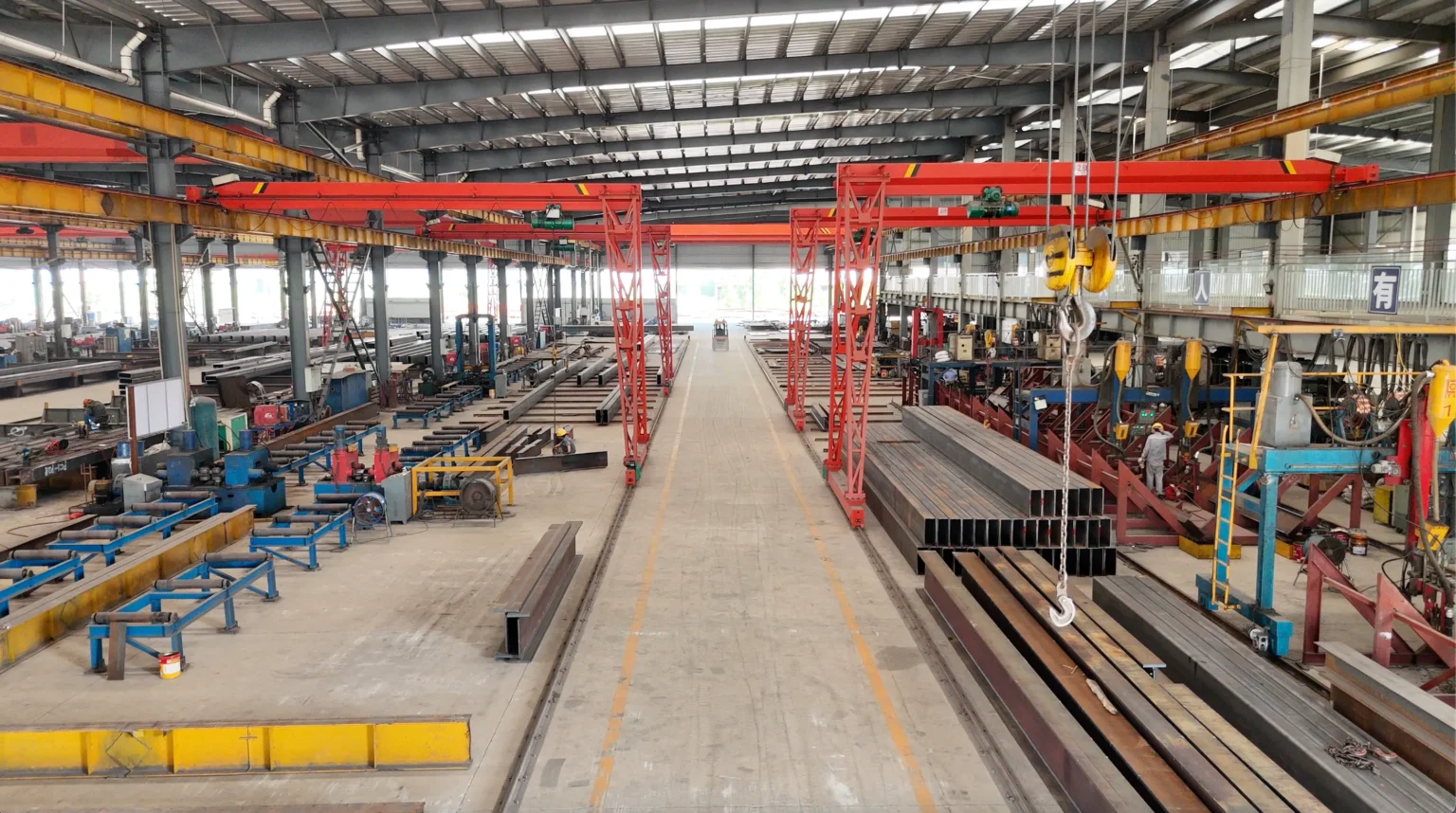
Factory audit, pre-shipment inspection or weld testing?
These services answer different questions. Decide which evidence you need before requesting quotations, and state any combined services explicitly in the commission.
Factory audit
Can this site support the proposed work? An audit reviews processes, resources and controls against agreed criteria, using sampled records and observations. It may cover equipment, workload, material control, fabrication procedures and QC arrangements. Its report informs a sourcing or follow-up decision.
Pre-shipment inspection
Do identified order components meet the agreed requirements before dispatch? This checks a particular order against approved drawings, specifications and the inspection plan. See our pre-shipment inspection guide for that checklist.
Specialist weld testing
What do specified weld examinations show? Ultrasonic testing (UT) or another nondestructive testing (NDT) method needs defined items, coverage, procedures and acceptance criteria. Our third-party UT case illustrates this narrower assignment.
Reviewing an NDT procedure during a factory audit does not mean testing has been performed. An order inspection or a weld test also does not, by itself, establish the capability of the entire factory.
1. Define the purpose and appoint the provider
State the decision first: prequalifying a new fabricator, assessing its readiness for a proposed order, or checking progress on previous concerns. This determines the technical expertise, evidence and reporting you need.
Ask prospective providers about structural-steel fabrication experience, the competence of the personnel assigned, independence and potential conflicts, local coverage, and language capability. Check any claimed accreditation or certification against the specific service and scope; a general certificate alone does not establish competence for every technical activity.
Compare quotations against the same brief. Agree who appoints and pays the provider, travel and follow-up costs, report recipients, confidentiality, deliverables and deadlines. Name the people authorized to make purchasing decisions and any separate technical or release approvals required by the contract.
2. Agree the steel structure factory audit scope in writing
Identify the manufacturing entity, site address, products and processes covered, and any subcontracted activities included or excluded. List the criteria to be used, such as agreed project specifications, drawing revisions and relevant procedures. Define access to records, personnel and samples, along with photography permissions and known limitations.
Ask the provider to explain its proposed sampling and reporting approach. Agree how findings will be classified and followed up. Scope, site complexity and available processes determine the required time and resources; there is no universal duration, cost or pass score suitable for every project.
Share Your Audit ScopeSend a project summary and proposed visit requirements.
3. Prepare documents, timing and site access
Send the agreed brief and a document index before the visit. Depending on scope, requested evidence may include a process and equipment overview, production schedule, material identification records, applicable fabrication and welding procedures, personnel qualification records, QC responsibilities, measuring-equipment records, coating records, and packing or handover examples.
For an order-related review, identify the current drawings, specifications and inspection plan. Ask which records should be reviewed in advance and which can be sampled on site. Share only authorized information; use redacted examples or controlled on-site review when complete documents cannot be released.
Confirm named buyer, auditor and factory contacts, interpretation needs, operating shifts, local holidays, and availability of the processes you want to observe. Arrange visitor details, transport to the correct site, safety induction, personal protective equipment (PPE), escorted access and subcontractor permissions where relevant.
Confirm the date once scope and access are settled. If welding, coating or packing will not be operating, record the limitation and agree whether records are sufficient or another visit is needed. A video review can support preparation, but its report should distinguish remote evidence from direct on-site observation.
4. Follow an agreed on-site agenda
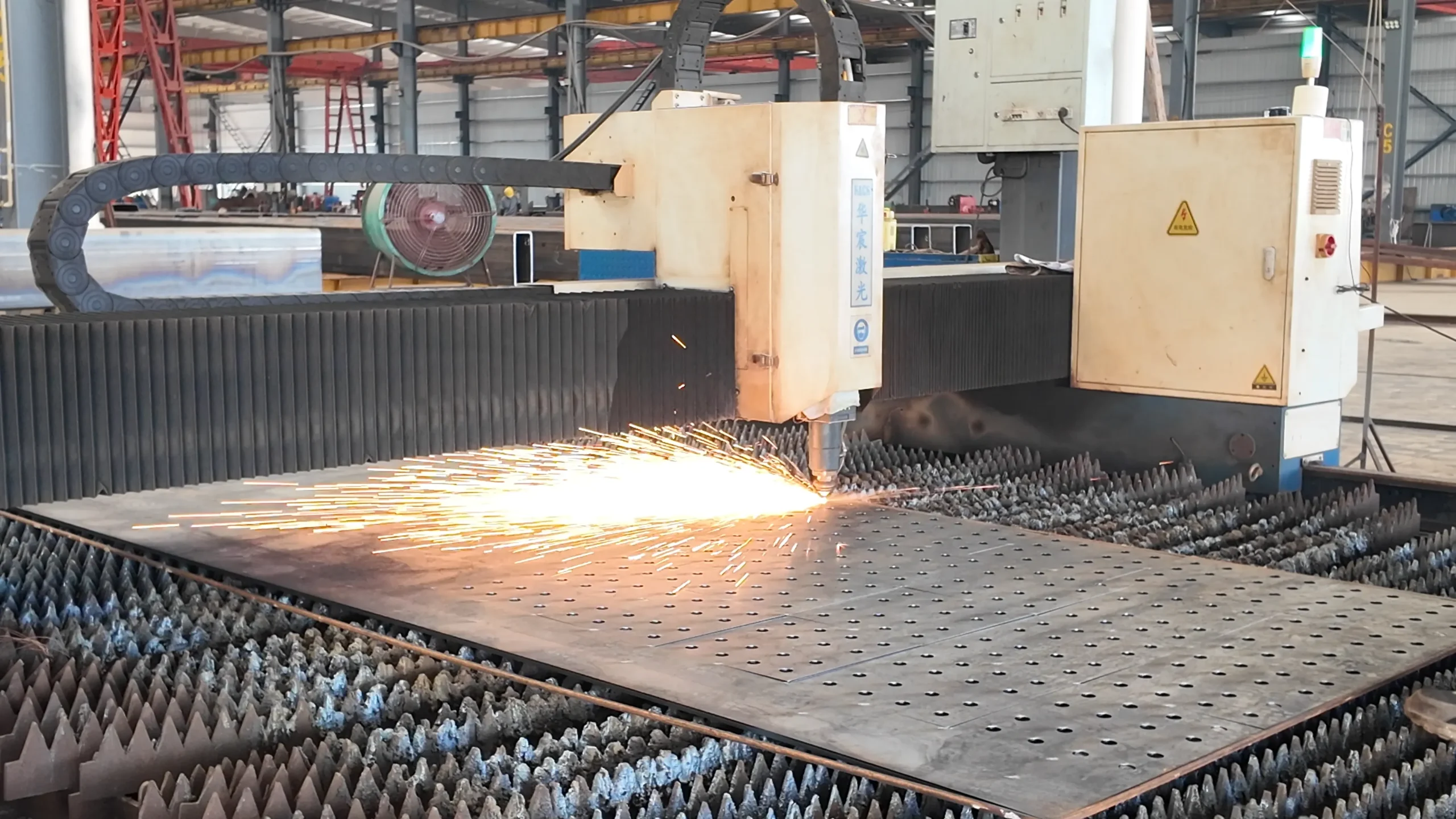
Begin with an opening meeting to confirm scope, criteria, safety arrangements and the day’s schedule. Then follow selected examples through the relevant activities. The agenda below describes evidence to examine; project-specific acceptance criteria belong in the agreed documents.
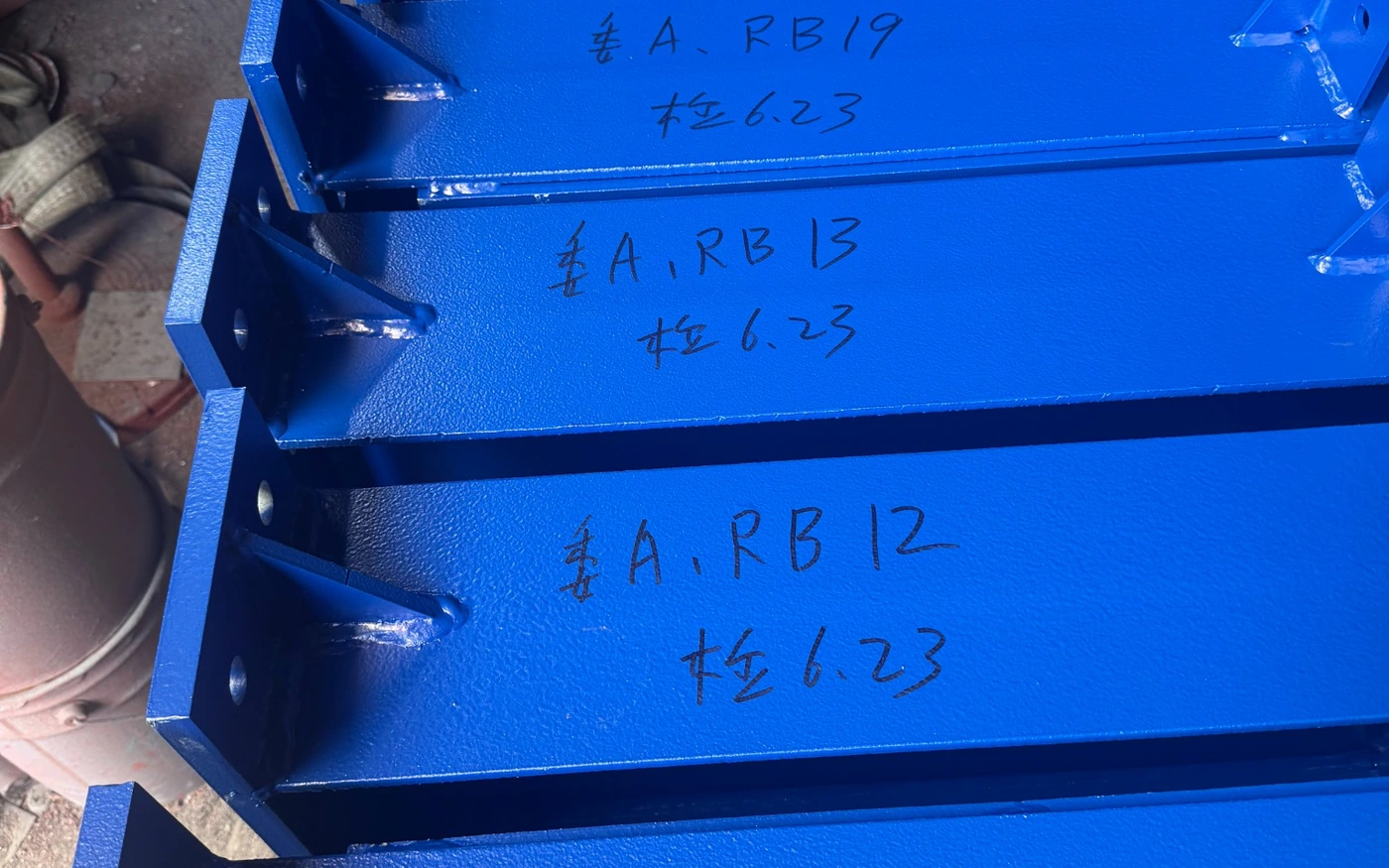
- Raw materials and traceability. Compare selected identification marks and receiving records, and follow how their links are maintained through production.
- Cutting, drilling and fabrication. Observe available processes and compare the drawings and revisions used on the shop floor with the agreed document set.
- Welding. Review applicable procedures, qualification records and production controls. Keep separately commissioned NDT clearly identified.
- Quality control. Review responsibilities, inspection records, measuring-equipment control and the handling of nonconforming work.
- Surface preparation and coating. Review the specified coating system, process controls and relevant records. Detailed product checks are covered in our paint-quality inspection guide.
- Marking, packing and handover. Examine selected identification, packing and handover arrangements against the agreed scope.
At the closing meeting, summarize findings, unanswered questions and access limitations. Separate records reviewed, processes observed, samples checked and tests actually performed. Sampled evidence should never be presented as an inspection of every component or batch.
5. Confirm findings, corrective actions and the next decision
Check that the report identifies the site, date, scope, criteria, evidence sampled and limitations. Resolve factual errors and record any disagreement about a finding. Where a problem could affect current work, agree any immediate containment and who is responsible for it.
For each open finding, record the required action, responsible person, target date, closure evidence and named verifier. The factory proposes corrections and, where relevant, actions addressing the cause. The appointed verifier assesses whether the evidence is sufficient. A document review, revisit or specialist retest may be needed, depending on the issue.
The buyer and other authorized parties then make the decisions assigned to them by the contract: request more evidence, approve the supplier, allow conditional progression where permitted, postpone or reject. Keep supplier approval separate from any required engineering acceptance, production authorization or shipment release. The broader sequence is explained in our steel building procurement process guide.
Frequently asked questions
Who selects and pays for the auditor?
The parties agree this before booking. Record who appoints the provider, who pays, who receives the report and who decides on the findings. Payment arrangements should be clear alongside independence and conflict-of-interest checks.
How far ahead should we book, and how long does an audit take?
Timing depends on the scope, provider availability, site access and production schedule. Confirm the relevant processes will be available, then agree the visit dates and report deadline in writing.
Does a factory audit include weld testing?
Only if testing is explicitly included in the commission. Reviewing welding or NDT procedures is different from performing UT or another test. Define the testing personnel, items, method, coverage and acceptance criteria separately.
How should confidential documents be handled?
Agree report recipients, confidentiality and photography permissions beforehand. Share only authorized documents, using redacted samples or controlled on-site review when full disclosure is not permitted.
What if findings remain open?
Assign an owner, action, date and verifier to each item. The authorized decision-maker can request more evidence, postpone progression or make another decision allowed by the agreement. An audit report does not automatically release production or shipment.
Plan the visit around the evidence you need
Share your project scope, proposed auditor, timing and processes to observe so factory availability and access arrangements can be discussed.
Discuss Factory Visit ArrangementsReference context: SGS: Vendor Assessment and Technical Audit describes technical capability and process reviews; QIMA: Manufacturing Audits provides general audit workflow context. These references do not establish a provider’s suitability for a particular steel structure project.