
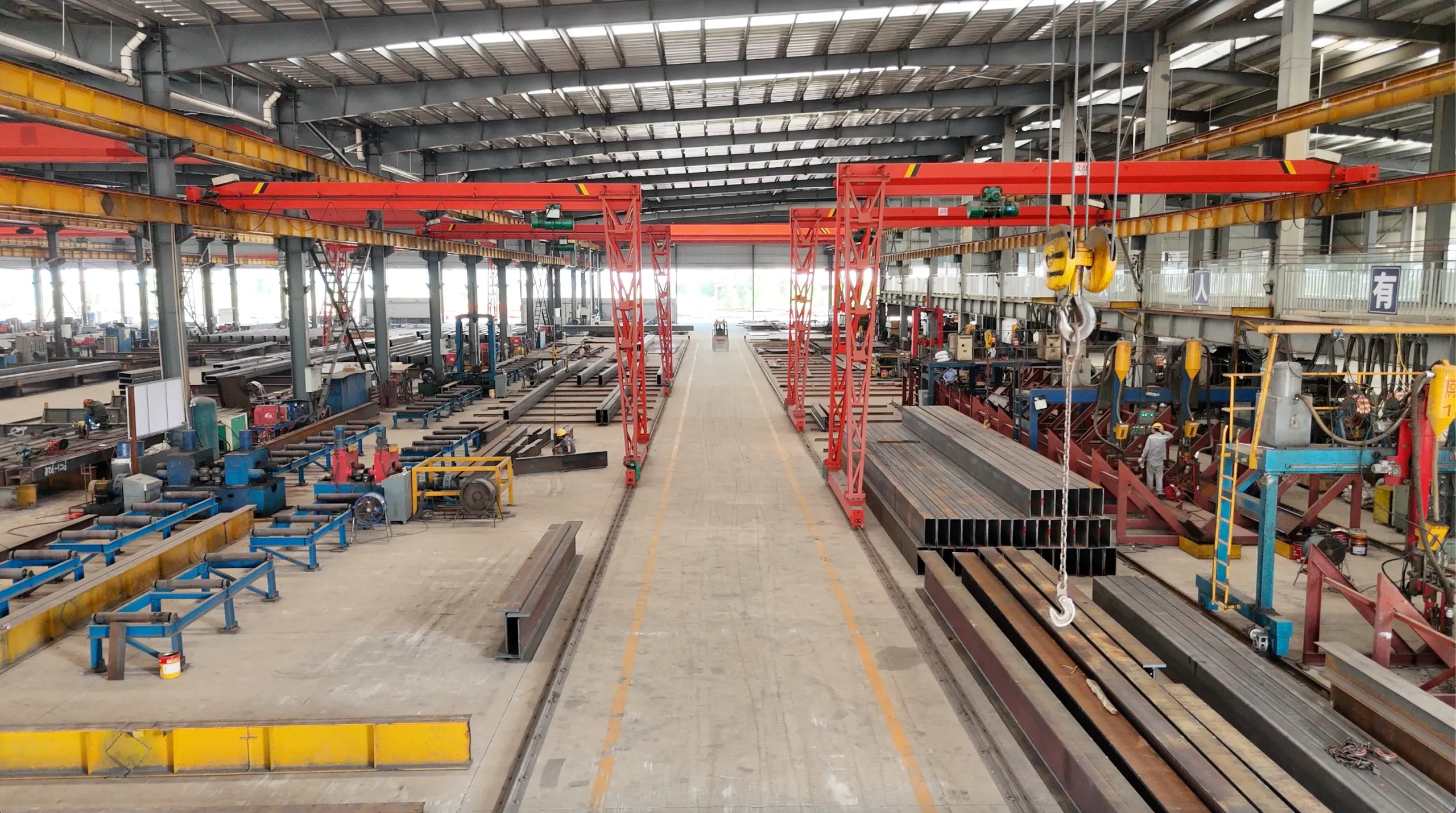
Coating condition & maintenance
How Long Does Steel Structure Paint Last? Service Life and Maintenance Guide
Understand coating condition, project exposure and the inspection findings that guide maintenance.
Quick answer
Condition matters more than a fixed timeline.
There is no universal service life for steel structure paint.
Coatings help protect columns, beams, purlins, bracing and connections. Performance depends on preparation, the coating system, exposure, handling and maintenance.
Poor condition can bring rust, peeling, extra repair costs and reduced appearance. Overseas repairs after shipment and installation can be harder than quality control before delivery.
Technical boundary
Durability Is Not a Guarantee
Coating durability is a planning estimate based on product data, exposure and application conditions, not a promised lifetime or warranty period. Actual condition varies between projects and even between areas of one building. Maintenance should follow inspection findings and actual condition, not a fixed timeline. A system that performs well in one environment may need different maintenance attention in another.
Exposure & condition
What Affects Coating Condition Over Time
Environment
Humidity, temperature variation, salt air, industrial pollutants and chemicals affect exposure. UV, condensation and moisture accumulation also influence coating condition.
Surface Preparation
Cleanliness, surface profile and the condition of the steel substrate affect coating adhesion and performance.
Coating System
The primer, intermediate coat and topcoat need to be considered as a compatible system for the project.
Application & Curing
Application quality and coverage matter. Follow the product requirements for curing before handling and service.
Thickness & Detail Areas
Assess dry film thickness against the specification. Check coverage at edges, welds, bolts and other difficult details.
Damage & Service Conditions
Abrasion, equipment contact, handling scratches, impact and field modifications can damage an otherwise sound coating.
These factors interact. No single factor determines the maintenance needs of every coating system.
Specification & delivery
Main Factors That Affect Paint Service Life
Surface Preparation
Rust, oil, dust, welding slag and moisture can interfere with adhesion. Cleanliness and surface profile should meet the project specification.
Blasting or a higher level of preparation may be required for some systems. Confirm the requirement rather than assuming one method suits every project. Review surface preparation and coating adhesion.
Coating System Selection
Primer suitability should be checked against the project requirements and product data. Anticorrosive, epoxy and zinc-rich primers are options, not universal defaults.
Select a compatible paint system for the exposure conditions; price alone is not a sufficient selection basis.
Dry Film Thickness
Assess coating thickness against the project specification and product requirements, not as a standalone durability guarantee.
Check weld seams, flange edges, bolt holes, base and connection plates, corners, brackets and crane beam areas for missed or thinner coverage.
Number & Role of Coats
One, two or multiple coats may be specified. A project-specific system may use primer only or a compatible primer, intermediate coat and topcoat.
Primer supports adhesion and corrosion protection; an intermediate coat adds build. Topcoat performance depends on the product, system compatibility and exposure.
Project Environment
Indoor or outdoor use, rain, humidity, pollution, chemicals, sunlight, dust and moisture accumulation can change performance.
A dry inland workshop and a coastal warehouse may need different systems. Review coastal salt exposure and cold-climate conditions where relevant.
Transportation & Site Damage
Export packing, loading, unloading and installation can cause scratches or rubbing at edges, lifting points, connections and bundled contact areas.
Protect painted members, prepare compatible touch-up paint and review damaged areas after installation. A good factory finish can still need local site repair.
From findings to action
Inspection-Based Maintenance
Maintenance scope should follow actual coating condition, not an assumed repaint schedule.
- 01
Inspect
Review actual coating condition and exposure. Keep surfaces clean and dry where possible; do not wait for rust before beginning inspection.
- 02
Identify Local Damage
Record rust, peeling, blistering, scratches, impact marks, chalking or fading, including edges, welds, bolts, openings and field-modified areas.
- 03
Choose Maintenance Scope
Use the extent of deterioration, layer condition and steel substrate findings to select the appropriate maintenance action.
- 04
Record / Review
Keep inspection findings and review changes in building use, exposure and owner expectations. There is no universal maintenance interval.
LOCAL TOUCH-UP
Small isolated damaged areas where the surrounding coating remains sound and compatible.
LOCAL REPAIR
More extensive deterioration that is still limited to a local area.
MAJOR MAINTENANCE REVIEW
Widespread deterioration, multiple affected coating layers or concerns about the steel substrate.
Timing depends on inspection findings, exposure conditions, the coating system and the owner’s maintenance expectations.
Send coating inspection photos, affected member locations, exposure conditions and available coating documentation so Bingfa can review the maintenance and supply-scope requirements for your project.
Before ordering
What Should Buyers Confirm Before Ordering?
Ask the supplier to clearly state the paint and coating scope.
COATING SYSTEM
- Surface preparation requirement
- Primer type and suitability
- Intermediate coat, where specified
- Topcoat and system compatibility
- Required dry film thickness
SUPPLY & SITE COORDINATION
- Color and finish
- Compatible touch-up paint
- Packing protection
- Pre-shipment coating inspection
- Site touch-up responsibility
Recognize the warning signs
Common Paint Problems
Poor Surface Preparation
Contamination or an unsuitable substrate condition may contribute to poor adhesion.
Insufficient / Uneven Coating
Missed areas or coating thickness outside the specified requirements need review.
Incompatible Coating Selection
A coating system unsuited to the substrate or exposure may deteriorate prematurely.
Unsuitable Application Conditions
Application conditions and incomplete curing can affect coating performance.
Handling / Transport Damage
Scratches, rubbing and site damage may leave areas needing compatible repair.
Exposure / Missing Maintenance
Aggressive exposure and unattended local deterioration can increase maintenance needs.
Early problems may involve process control, paint material and project conditions. Continue with coating peeling diagnosis or early-rust diagnosis where relevant.
Coating Maintenance Questions
How long will the coating last?
Coating performance is not guaranteed for a fixed number of years. Actual durability depends on the coating system, surface preparation, application quality, curing, exposure environment, maintenance and other project-specific factors. Maintenance timing should be based on inspection findings and actual coating condition rather than an assumed service life.
When should the coating be repainted?
There is no universal repaint interval. Repainting should be based on inspection findings, the extent of coating deterioration, the condition of the steel substrate and the exposure environment. Local touch-up, local repair and full repaint are different maintenance actions and should be selected according to the actual condition of the coating.
Does the coating come with a warranty?
Warranty terms, if any, should be confirmed separately in the project agreement. A warranty period is a contractual term, not a guarantee of coating performance. Expected durability and warranty coverage are not the same thing, and actual performance depends on project conditions, application quality and maintenance.
How often should the coating be inspected?
Inspection frequency should be based on the exposure environment, coating system, building use and owner requirements. There is no universal inspection interval that applies to every project. Inspection findings should guide maintenance planning and determine when further action is needed.
Plan Your Coating Maintenance Review
Send coating inspection photos, affected member locations, exposure conditions and available coating documentation so Bingfa can review the maintenance and supply-scope requirements for your project.