
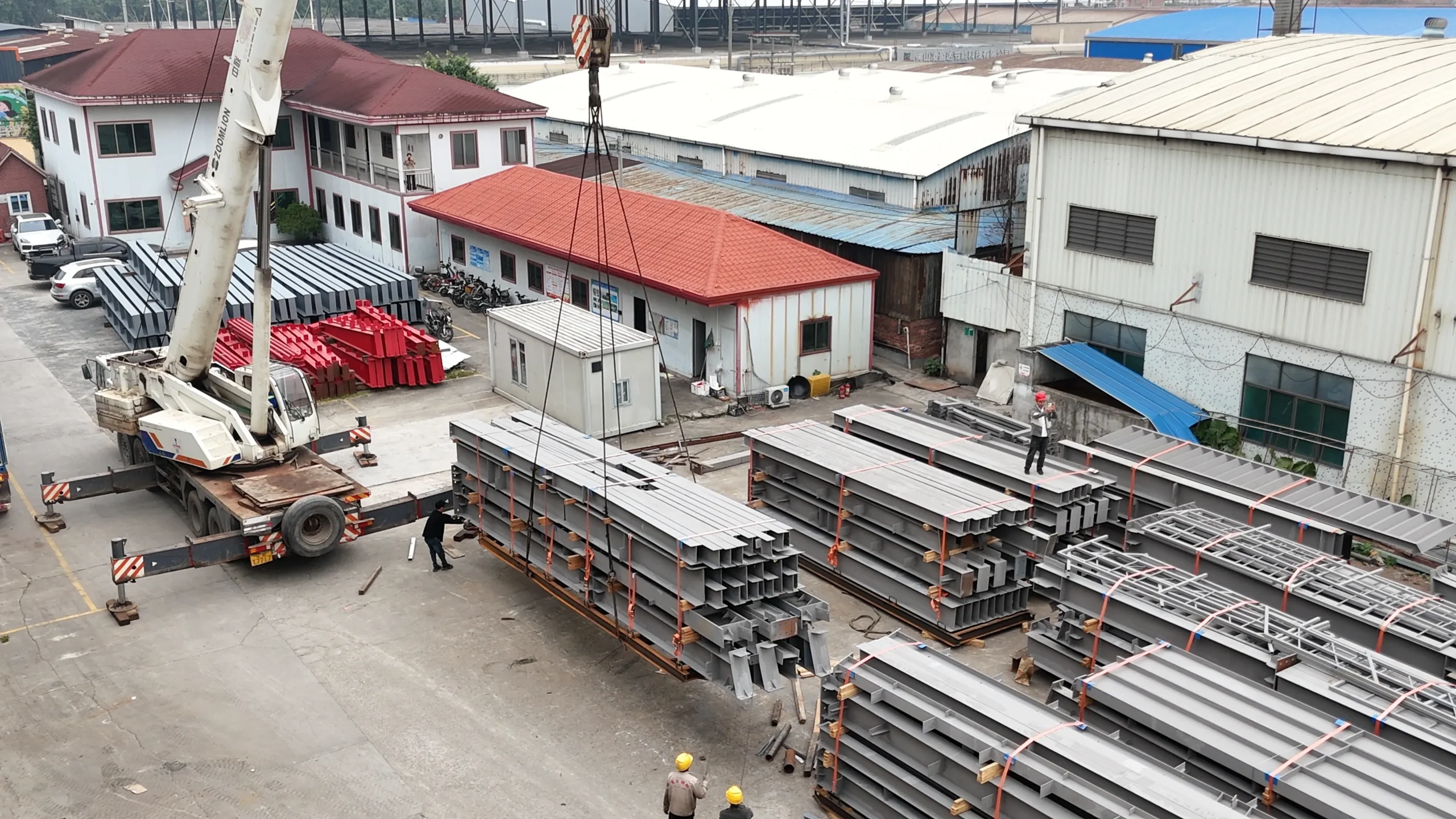
EXPORT PACKING & CONTAINER LOADING
Steel Structure & Sandwich Panel Container Loading Guide
Quick Answer
Steel structures and sandwich panels require different packing and loading coordination before export shipment. The loading plan depends on member size, panel length, quantity, container type, protection requirements and the confirmed supply scope. Packing and loading are planned to help reduce handling risk and support organized shipment preparation, but no universal method applies to every project. Final freight, customs, port handling, inland transport and unloading are coordinated with the buyer’s logistics parties. Factory-side packing and loading records can be prepared according to the agreed project scope.
What This Container Loading Guide Covers
This guide covers factory-side packing, component marking, sandwich panel protection, container loading preparation and shipment documentation for steel structure and sandwich panel supply. It explains how these activities are coordinated before export and what information is needed from the buyer. It does not cover international freight forwarding, customs brokerage, local delivery or site installation. Those services should be coordinated with the buyer’s logistics providers unless otherwise agreed.
Why Packing and Loading Planning Matters
Packing and loading planning helps reduce handling risk, improves checking before shipment and can support more orderly identification and unloading at the destination. When components are marked, packed and documented according to the confirmed scope, the receiving team can identify members and panels more efficiently. Loading coordination also helps reduce unnecessary movement and handling risk during container stuffing. Packing coordination does not eliminate transport and handling risk. The objective is to support organized transport and clear shipment records within the agreed scope.
Steel Structure vs Sandwich Panel Loading Requirements
Steel Structure Cargo
Steel structure components—columns, beams, purlins, bracing and connection parts—may be grouped or bundled according to size, length, weight and loading requirements.
Sandwich Panel Cargo
Sandwich panels require different handling because of their surface finish, edge condition and length. Panels may receive surface and edge protection where specified, and bundle arrangement should be coordinated to reduce movement and compression risk during transport.
Steel members and panels may be loaded together when practical, but separation and protection requirements depend on the cargo mix and container type. There is no fixed method that applies to every shipment.
Key Project Inputs Before Packing
Before packing and loading are planned, the following inputs should be confirmed:
- Steel member list and supply scope
- Sandwich panel type and quantity if included
- Panel length if known
- Accessories and fasteners
- Coating or surface protection requirements
- Delivery destination
- Preferred container type if specified
- Loading sequence requirement if any
- Unloading equipment or site constraints if known
- Required packing list or loading records
- Shipment document requirements
These inputs help the factory plan the packing arrangement and loading sequence.
Factory-Side Packing and Loading Workflow
The factory-side workflow may include confirming the cargo list, checking major dimensions and quantities, marking components where required, arranging steel members and panel bundles, protecting surfaces and edges where required, and loading according to the container and cargo condition.
Loading records may be prepared where required.
This workflow is adjusted for each project based on the cargo type, quantity and destination.
It is not a fixed seven-step method for every shipment.
Component Marking and Packing List Coordination
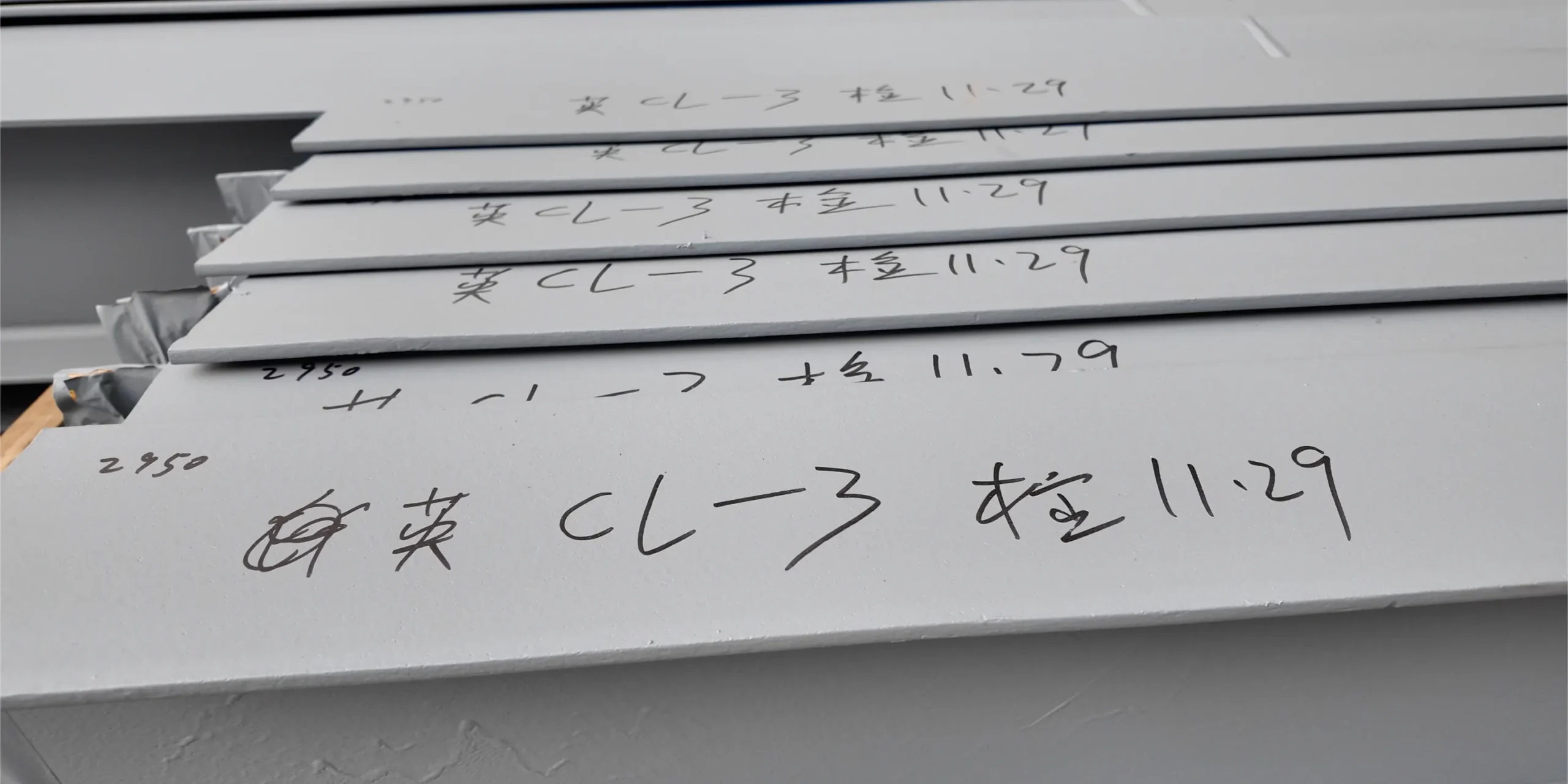
Component marking helps buyers identify members after arrival. The marking system should match the packing list and shipment records. The packing list should reflect the confirmed supply scope and be coordinated with the loading plan. Marking and packing-list coordination support component identification during unloading and site-assembly planning. The receiving team should still verify quantities and cargo condition upon arrival.
Sandwich Panel Surface and Edge Protection
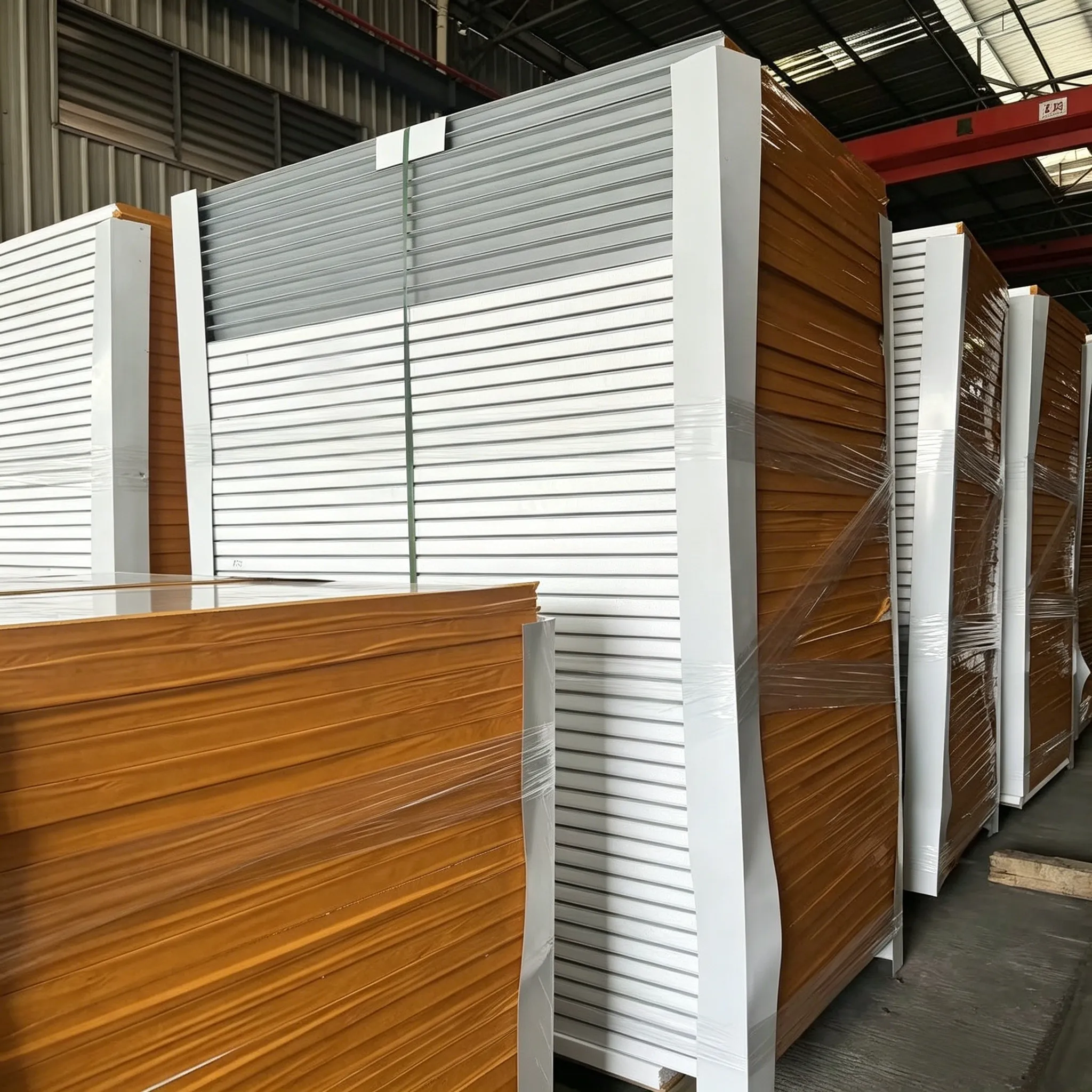
Sandwich panels require attention to surface and edge protection. Packing depends on panel length, coating surface, core type, quantity and transport requirements. Surface protection may include protective film or covering where specified. Edge and corner protection may be coordinated to reduce handling risk. Bundle arrangement should consider panel stiffness and stacking conditions. Packing does not eliminate all transport and handling risk, but coordinated protection can help reduce it.
Container Loading, Weight Distribution and Securing
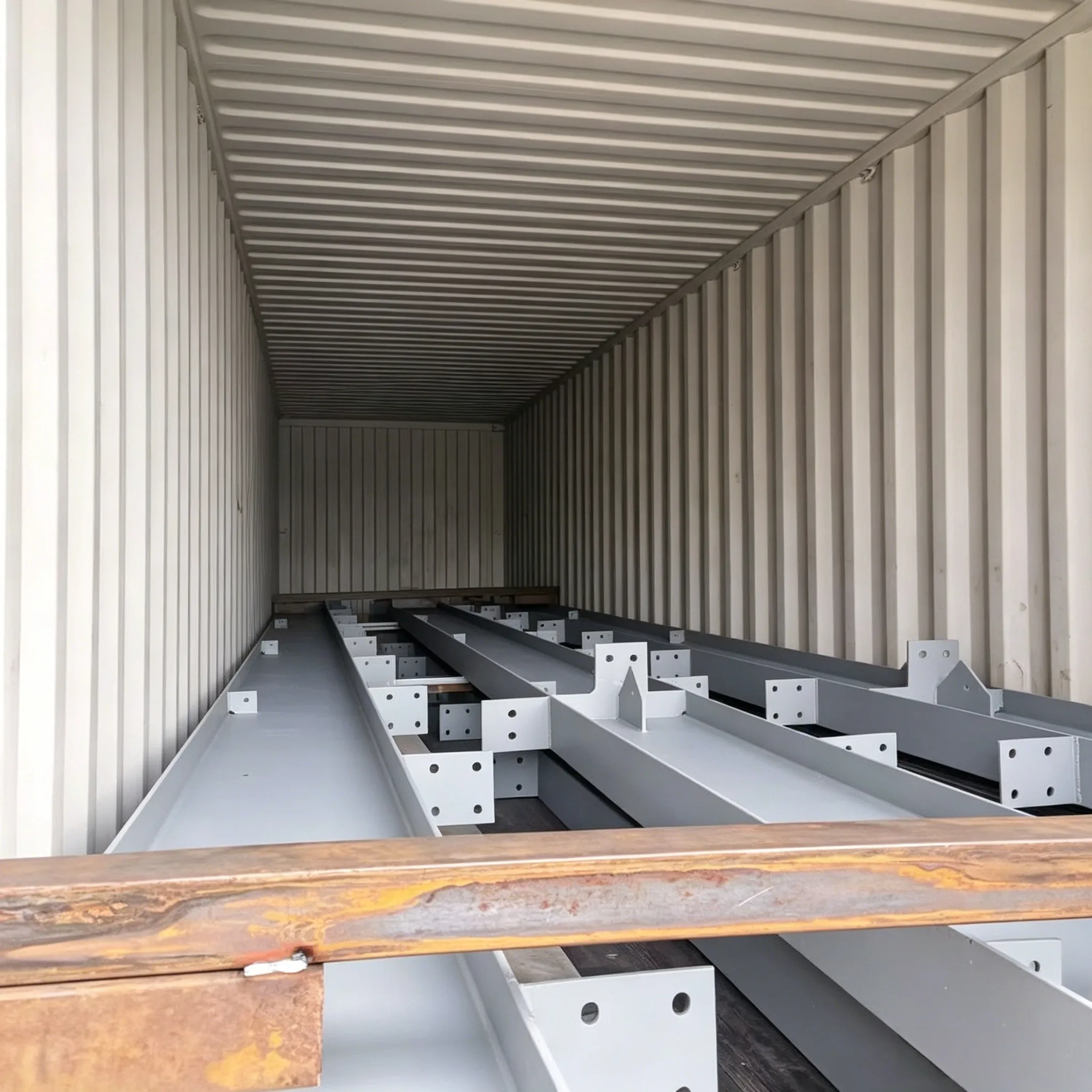
Weight distribution, bundle position, securing and separation should be reviewed according to the cargo and container conditions. Steel bundles, sandwich panels and lighter materials should be arranged to reduce compression, movement or contact risk where practical. Dunnage, supports, straps or other securing methods may be used where applicable. There is no fixed container quantity or loading time that applies to every project. The loading plan is confirmed according to the specific shipment.
Loading Records and Shipment Documents
Loading records may include loading photos, container number, packing list, major cargo list, quantity checks and shipment documents if required. These records help document the contents and loading condition before departure. The scope of records and documents should be confirmed with the buyer. Not every project requires the same documentation.
Buyer-Side Logistics and Unloading Boundary
Bingfa can coordinate factory-side packing and export preparation according to the confirmed scope. Freight, customs clearance, port handling, inland transport, unloading and site storage should be coordinated with the buyer’s logistics parties unless otherwise agreed. The buyer should confirm local logistics, unloading equipment and site-storage conditions. Local delivery outcomes remain outside the factory-side packing scope unless otherwise agreed.
Information Needed for a Packing and Loading Review
To support a packing and loading review, please provide:
- Project name or reference
- Steel structure supply scope
- Sandwich panel type and quantity if included
- Panel length if known
- Accessories and fasteners
- Coating or surface protection requirements
- Delivery destination
- Preferred container type if any
- Unloading equipment or site restrictions if known
- Required packing list or loading records
- Shipment document requirements
Early project information can be reviewed first, even if the final packing details are not complete.
Discuss Your Packing and Loading Requirements
Send your steel structure scope, sandwich panel requirements, destination and packing-document needs so Bingfa can review the export packing and container loading coordination for your project.
Container Loading Questions
How are steel structures loaded for export shipment?
Steel structures may be grouped or bundled according to size, length, weight and loading requirements. Components may be marked for identification. Loading is planned according to the container type, cargo mix and securing requirements. The specific method depends on the member list and shipment conditions.
Can steel structures and sandwich panels be loaded together?
They may be loaded together when practical, but separation and protection requirements depend on the cargo mix. Steel bundles and panels may need different securing and protection methods. The loading plan should be reviewed for each shipment.
Can packing eliminate transport damage risk?
No. Packing and loading coordination can help reduce handling risk, but transport conditions, port handling and unloading practices can still affect the cargo. The objective is to support organized shipment and clear records, not to eliminate every transport risk.
What loading documents can be prepared before shipment?
Loading records and documents may include loading photos, container number, packing list, major cargo list, quantity checks and shipment documents if required. The exact documents depend on the project and buyer requirements.
What information should I send for a packing and loading review?
Send the project reference, steel structure supply scope, sandwich panel type and quantity if included, panel length if known, accessories, coating or protection requirements, delivery destination, preferred container type if any, unloading restrictions if known, and required packing list or shipment documents. Early information is enough to start the review.
Review Your Export Packing Scope
Send your steel structure scope, sandwich panel requirements, destination and packing-document needs so Bingfa can review the export packing and container loading coordination for your project.