
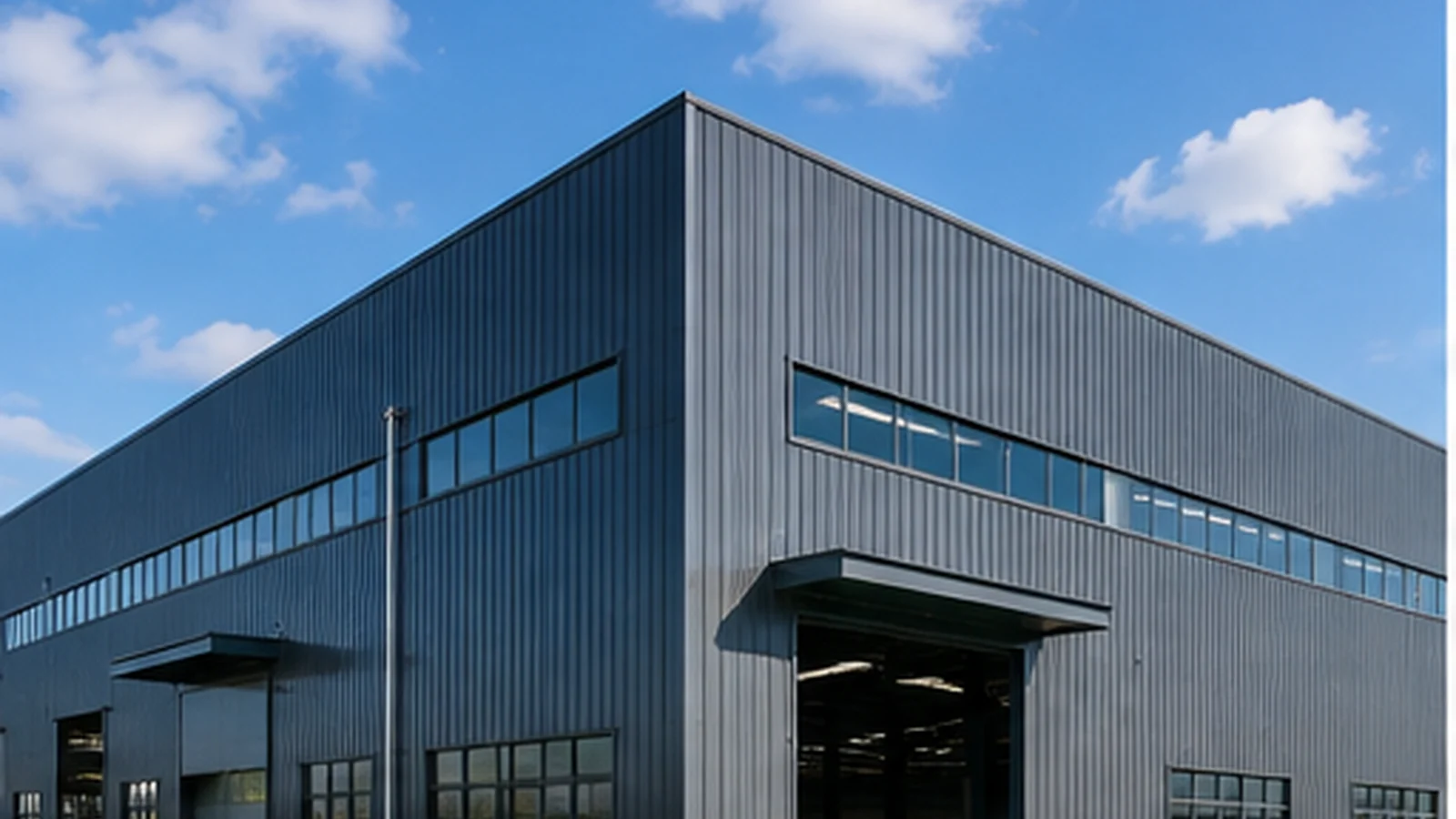
INDUSTRIAL STEEL WAREHOUSE
Industrial Steel Warehouse Building for Manufacturing & Heavy Storage Operations
Project-specific steel warehouse planning for manufacturing support, heavy storage and equipment access, with structural requirements coordinated around the actual operation.
Built Around Industrial Operations
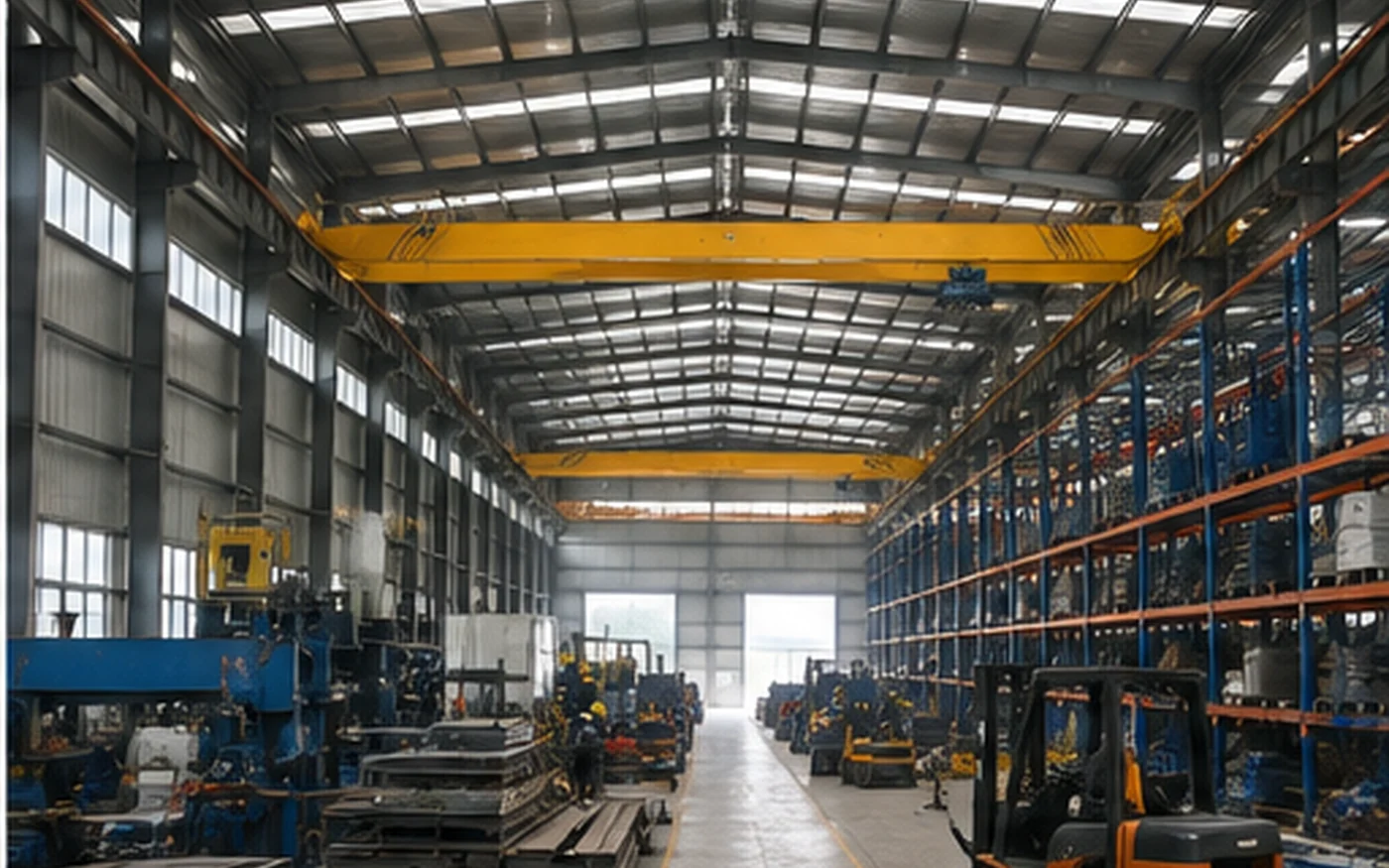
An industrial steel warehouse is planned around the work inside it: equipment, heavier components, loading routes and the space needed to move them. The final configuration depends on project use, site conditions and engineering requirements.
Manufacturing Support
Raw-material and finished-goods storage close to production.
Heavy Storage
Storage zones coordinated with the actual components and handling method.
Machinery & Equipment
Access and clearance planned for the equipment in use.
Factory Logistics
Vehicle movement, loading and material flow around operations.
Where the main requirement is movable machinery or vehicles, review equipment storage steel buildings. Material-recovery operations may need a different recycling facility building plan.
Industrial Warehouse vs. General Storage
Both are steel-framed buildings, but they answer different operating needs. Neither type is inherently better.
Industrial warehouse
Manufacturing support, heavy storage, equipment or machinery may drive the layout. Loading, vehicle routes and optional crane or mezzanine provisions need project-specific coordination.
General storage warehouse
Inventory, racking, storage density and routine logistics are usually the primary layout inputs. The configuration still depends on the actual stored goods and material flow.
The appropriate configuration depends on the actual operation. For broader building types, start with warehouse building solutions or the prefab steel warehouse product page.
Plan the Building Around Operations
Structural planning follows the equipment, working clearances, loads and routes the facility needs. Options such as cranes and mezzanines are included only when the project calls for them.
Frame & Clear Space
The span and column layout should follow the operational needs of the facility. The layout can affect equipment placement, vehicle circulation, crane coverage and future flexibility. Key considerations include total building width, clear-span preference, whether internal columns are acceptable, equipment layout, aisle and circulation requirements, crane path where applicable, and rack or storage zones.
Where interior columns are not acceptable, review clear-span warehouse planning.
Equipment & Heavy Loads
Equipment layout, approximate size and load, storage zones and access requirements should be confirmed before the structural arrangement is set.
The structural system should be coordinated with the operational requirements of the facility, including building dimensions, equipment, storage, and crane or mezzanine provisions where applicable.
Crane & Mezzanine Provisions
Overhead crane provisions may be incorporated where required, subject to the crane parameters, building layout and structural design. Important inputs may include crane capacity, crane span, hook height, duty requirements, runway arrangement and material-handling routes.
Mezzanines and equipment platforms are also project-specific. See the warehouse with mezzanine solution for focused planning.
Loading & Vehicle Access
Industrial warehouses require coordinated access planning for equipment movement, loading and circulation. Key considerations may include large industrial doors, loading bays, truck circulation, forklift circulation, equipment access, personnel access and opening coordination with the wall framing.
Where docks are required, review the loading dock design guide.
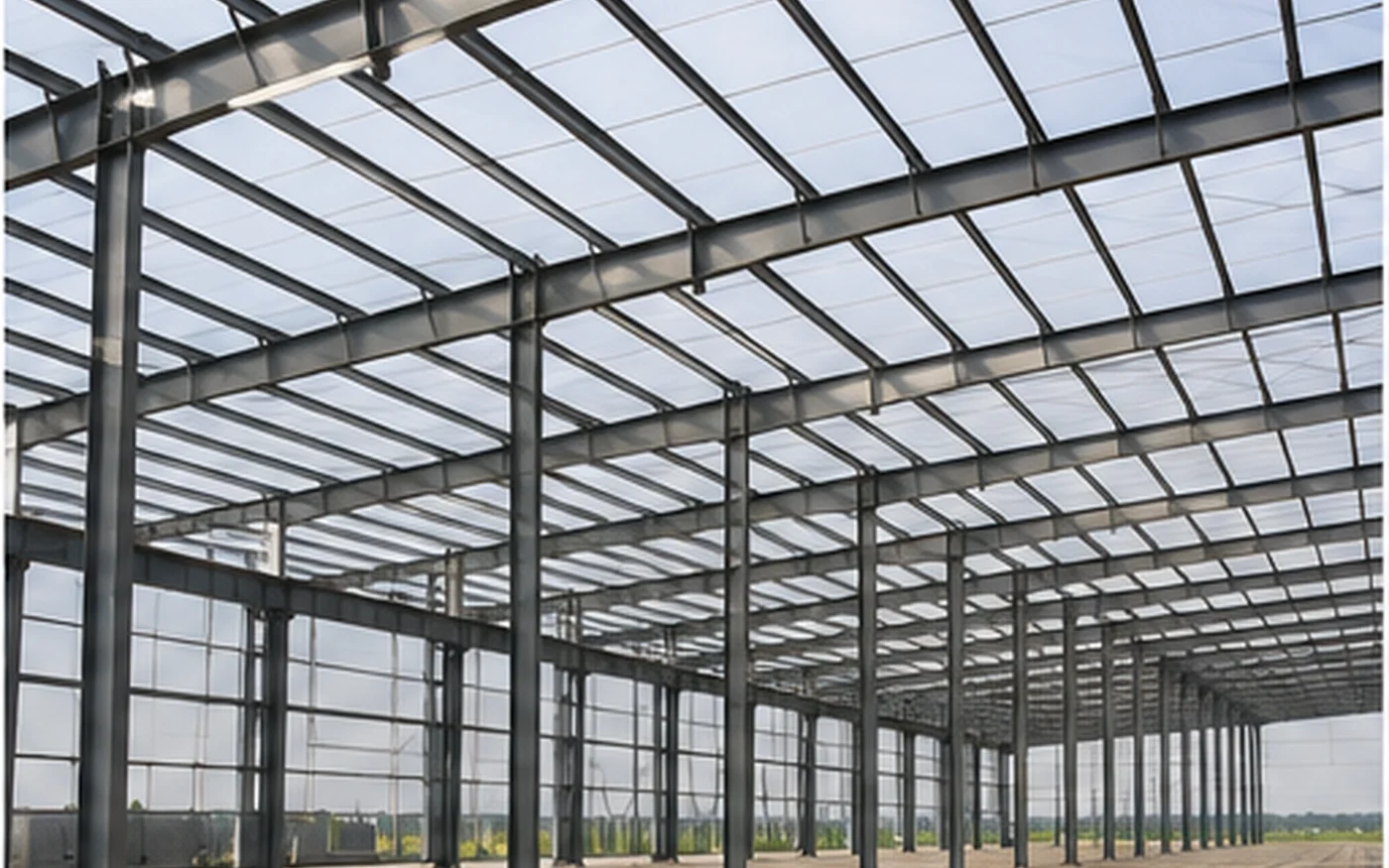
Industrial Configuration Choices
These choices are reviewed together, not selected from a fixed warehouse specification.
Structure
Primary frame, secondary framing, bracing, span and column preference follow the design basis and space requirements.
Operations
Equipment zones, storage loads and any crane or mezzanine requirements affect the supporting structure.
Access
Industrial doors, loading bays, truck approaches and forklift routes must match the operating flow.
Envelope
Roof, wall, finish and ventilation choices depend on use, climate and the project specification.
Future Planning
Expansion direction, end-wall and bracing provisions need early review if growth is expected.
The final configuration must be confirmed for the project before engineering and fabrication. Fixed member sizes, spans or crane capacity are not assumed here.
Roof, Wall & Ventilation
Roof, wall and ventilation systems should be selected for the project requirements. Common enclosure options may include color steel sheets and sandwich panel systems. Where EPS, PU or rock wool core options are part of the confirmed supply scope, the final selection should follow the project insulation, fire-related, climate and procurement requirements.
The ventilation concept may use natural ventilation, mechanical ventilation or a hybrid approach. Ventilation requirements depend on building use, internal heat or moisture sources, occupancy and operating conditions. The ventilation strategy should be reviewed for the actual project rather than treated as a fixed warehouse specification. Related references include sandwich panel materials and steel warehouse ventilation design.
Plan for Possible Expansion
If future expansion is expected, it should be considered during initial planning. Potential considerations include expansion direction, end-wall planning, bracing coordination, roof drainage, utility planning, and future equipment or layout changes.
Future expansion should not be assumed to be possible without engineering review. The initial design should consider future requirements where they are known.
Project Information for Review
Share what is known now; drawings and design data can be provided when available. These inputs establish a clearer quotation basis.
Location & Use
- Country, city and industrial operation
- Stored goods, equipment and handling method
- Destination port
Building Geometry
- Length, width, eave and clear height
- Clear-span or interior-column preference
- Preliminary drawings if available
Equipment & Loads
- Equipment size and loads if available
- Crane parameters, if applicable
- Mezzanine use, area, access and loads if applicable
Doors & Loading
- Door type, size and quantity
- Loading requirements and bays
- Truck and forklift circulation
Envelope & Airflow
- Roof and wall system preferences
- Insulation and finish requirements
- Ventilation concept and operating conditions
Design & Growth
- Local wind, snow or seismic data if available
- Future expansion direction
- Relevant specifications and documentation needs
Applicable loads and the design basis require project-specific engineering review; see the warehouse design loads guide for context.
Review Your Industrial Building Requirements
Share your location, industrial use, building dimensions, equipment, loading requirements and available drawings for an initial project review.
Fabrication, QC & Export Preparation
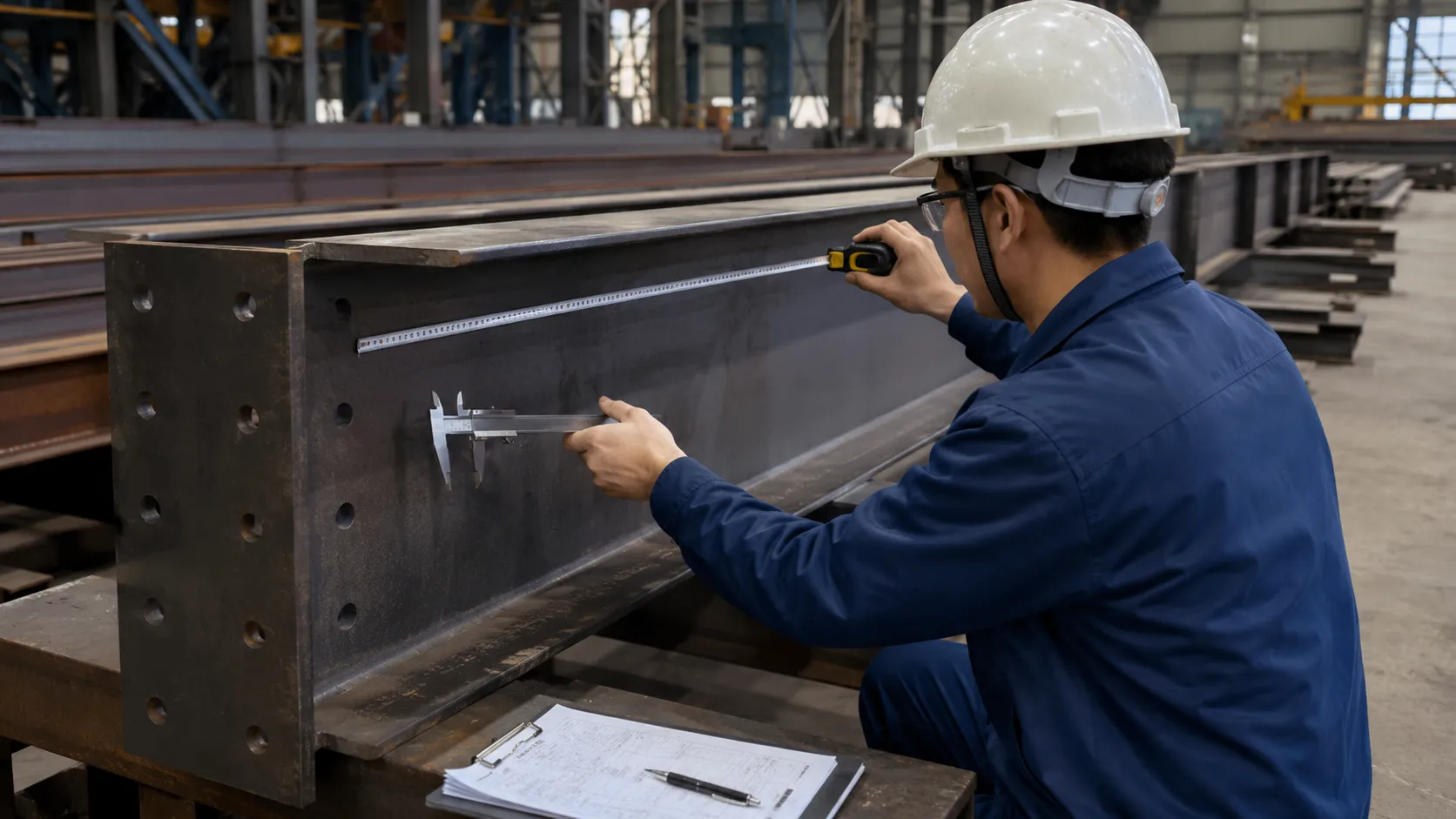
Bingfa manufactures industrial steel building components in a factory environment. The fabrication workflow may include cutting, drilling, assembly, welding, dimensional inspection, hole-position inspection, weld inspection, component identification / marking, surface-treatment inspection according to project scope and packing preparation.
Quality checks may include component dimensions, hole positions, weld condition, surface preparation and component identification. For projects requiring specific documentation, the required inspection records and material documentation should be confirmed before order.
Industrial steel building components can be identified, packed and prepared for shipment according to the confirmed project scope. Component marking supports unloading and site assembly in coordination with approved drawings and component lists.
Packing and protection arrangements should reflect component type and shipping requirements. Components can be arranged to use available container space efficiently while considering protection and transport stability. Required shipping and packing documentation should be confirmed for the actual shipment.
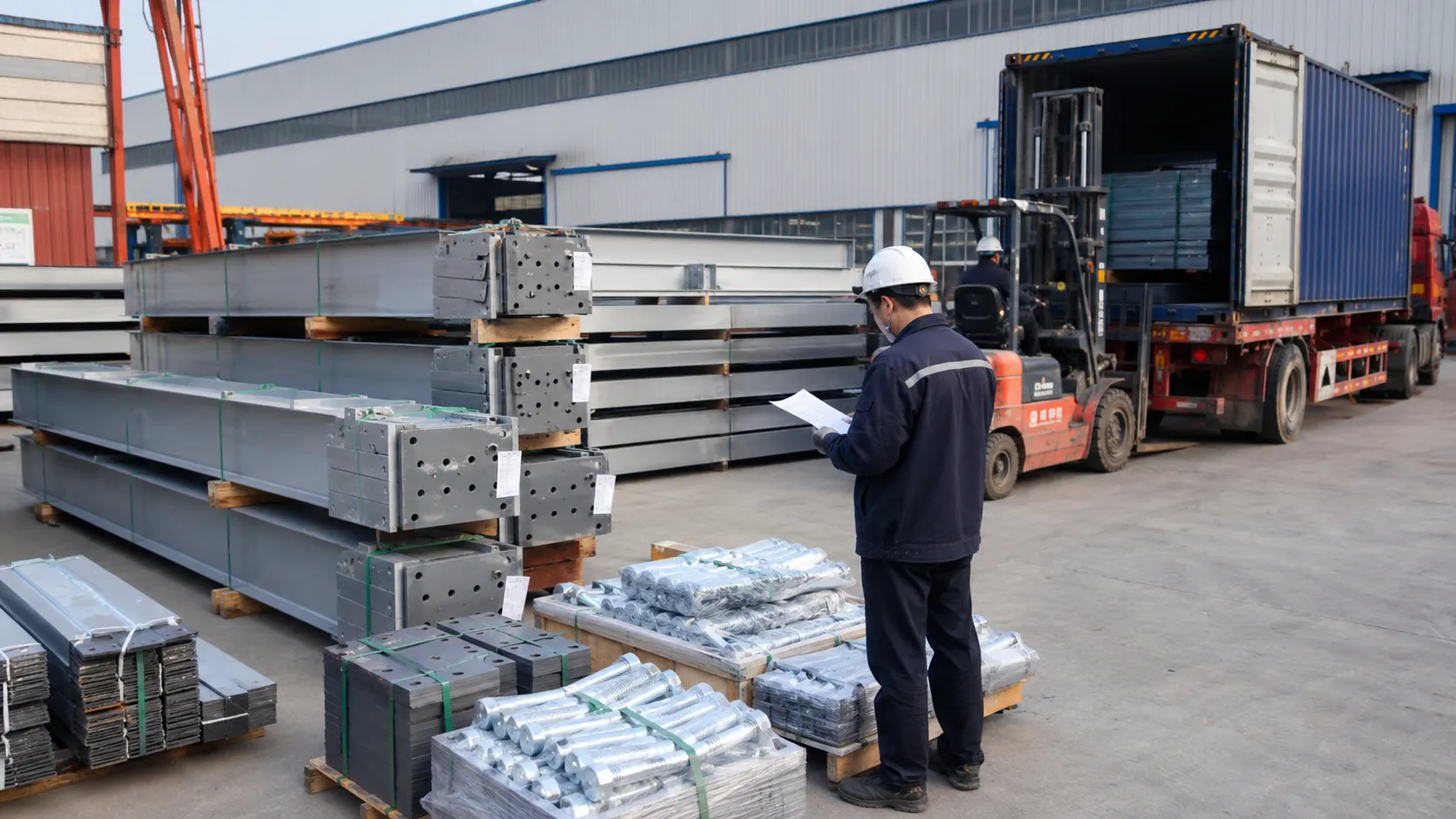
For broader reference material, see Bingfa’s Projects Hub; representative images on this page do not identify a specific completed industrial warehouse project.
Industrial Steel Warehouse FAQ
What is an industrial steel warehouse building?
An industrial steel warehouse building is a project-specific steel-framed structure planned for manufacturing support, heavy storage, equipment storage or other industrial operations. Its structural layout, openings, enclosure, equipment provisions and operational features should be coordinated for the actual project rather than treated as a fixed standard model.
Can an industrial warehouse include an overhead crane?
Overhead crane provisions may be incorporated where required, subject to the crane parameters, building layout and structural design. Crane capacity, span, hook height and duty requirements should be confirmed before engineering so the structural effects and required provisions can be reviewed.
Can the building use a clear-span layout?
A clear-span layout may be possible depending on the required building width, design loads, industrial use and structural design. The required width, clear-span preference and acceptance of internal columns should be confirmed before preliminary structural planning.
Can mezzanines or equipment platforms be included?
Mezzanine floors or equipment platforms may be incorporated where required, subject to the intended use, loads, access requirements and structural design. Their requirements should be confirmed before engineering so the additional structure and supporting main frame can be coordinated.
How should loading doors and vehicle access be planned?
Loading doors and vehicle access should be planned around the operational requirements of the facility, including equipment access, truck circulation, forklift routes and loading activities. Door positions and dimensions should be coordinated with wall framing and the structural layout before fabrication.
What information is needed for an industrial warehouse quotation?
Useful information includes the project location, industrial use, building dimensions, clear-span preference, equipment, crane or mezzanine requirements, large doors, loading, roof and wall systems, ventilation concept, future expansion, destination port and available drawings. More complete project information helps establish a clearer quotation basis. You can also contact Bingfa Steel with drawings if available.
Planning an Industrial Steel Warehouse Project?
Submit your project location, dimensions, industrial use, equipment and loading requirements, enclosure needs and available drawings.