
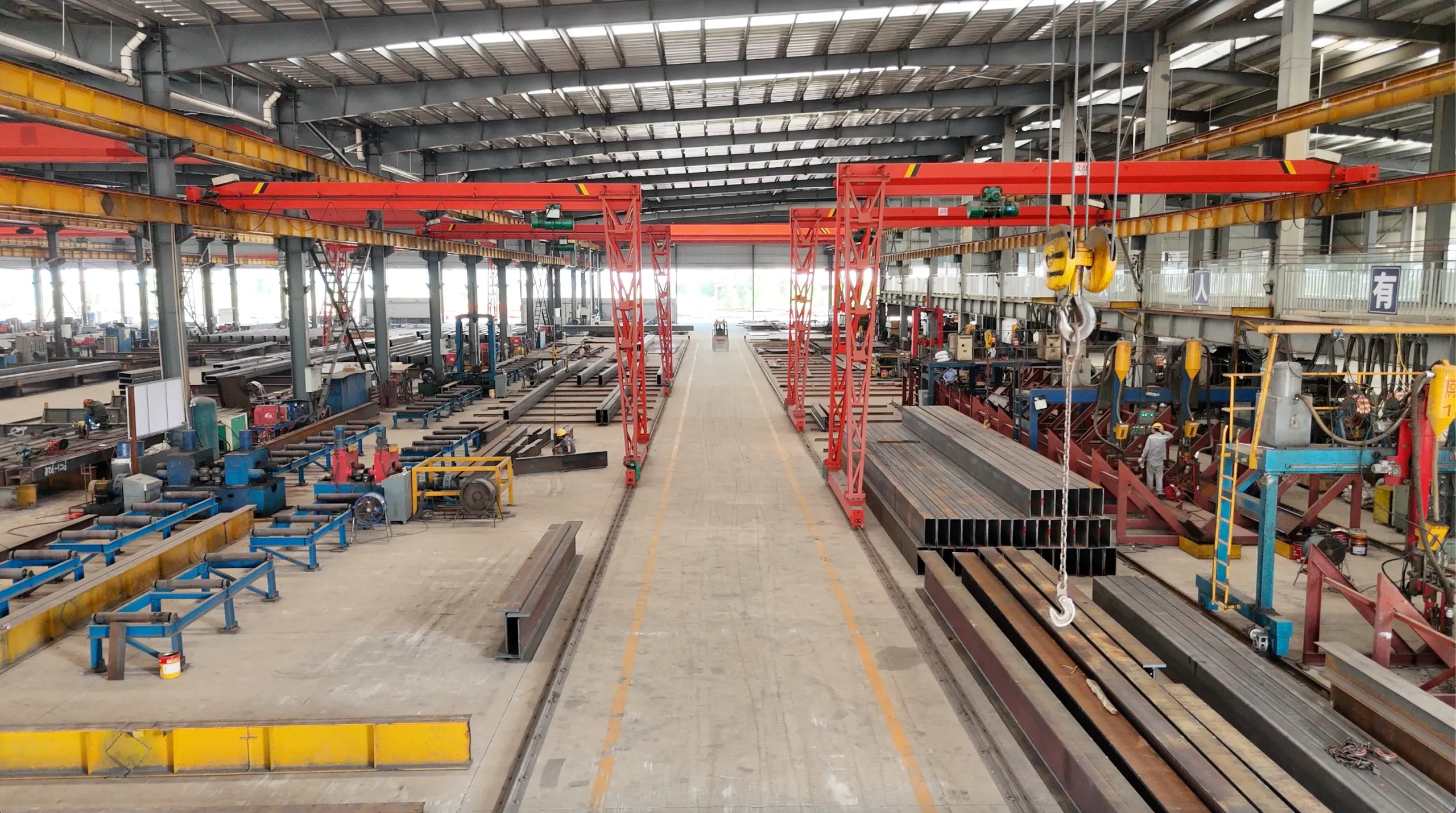
How to Avoid Installation Problems in Overseas Steel Structure Projects
Coordinate the supply package, site interfaces, released documents and local erection responsibilities before steel work begins.
Most installation problems begin at an interface.
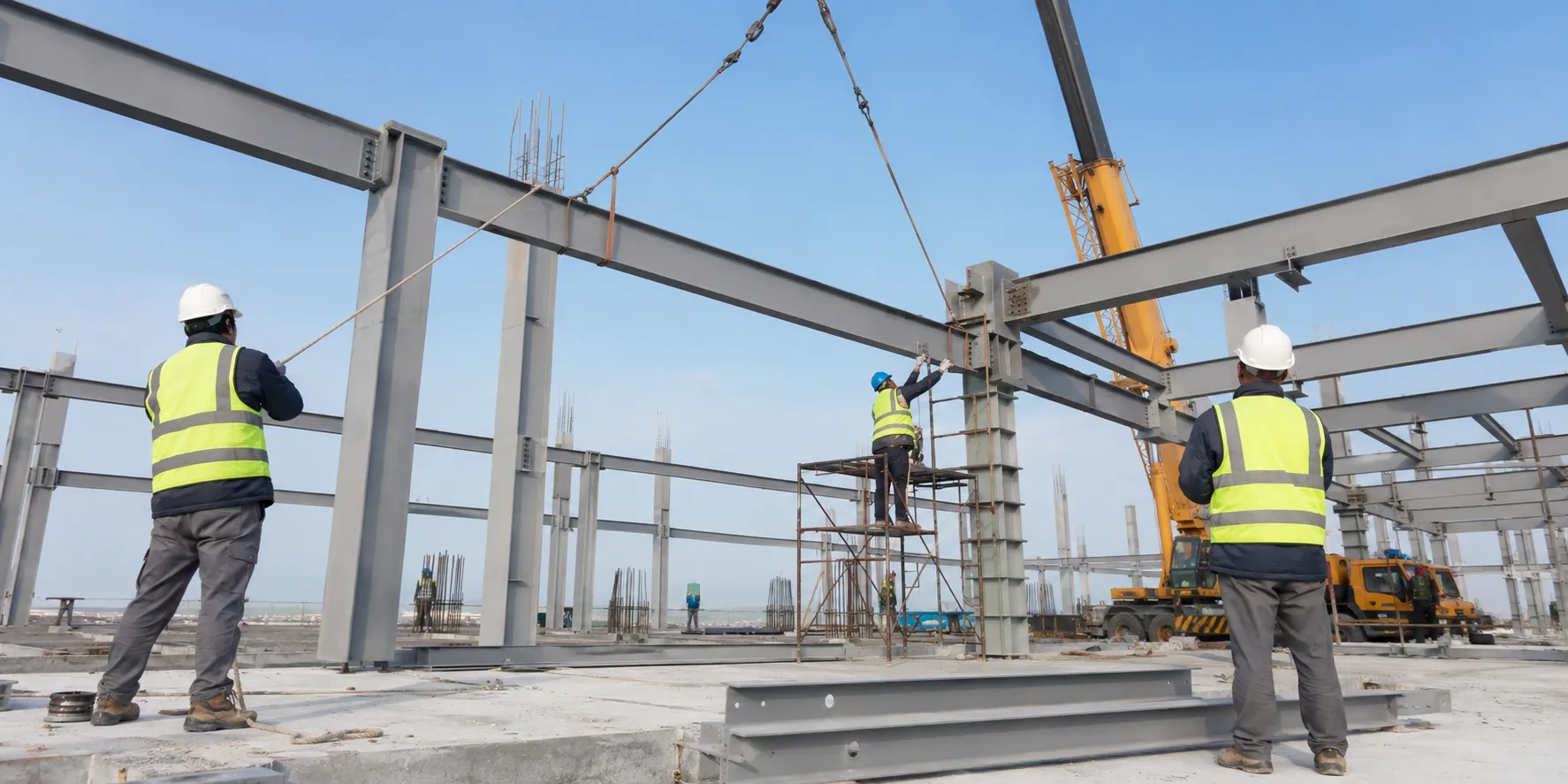
Many overseas installation problems are coordination problems rather than one single fabrication issue. Before erection starts, the project team should confirm foundation and anchor readiness, current released drawings, component identification, shipment completeness, site access, lifting and erection planning, temporary-stability responsibility, qualified local resources and the boundary between each party’s scope.
The correct checks depend on the agreed project scope and local requirements. This guide supports readiness review; it is not a universal erection method or a substitute for local engineering and site planning.
Define Responsibilities Before Site Work
Responsibility should be confirmed in the contract, project documents and local work plan. The parties below are typical examples; the actual allocation depends on the agreed project scope and local requirements.
Supplier / Fabricator
According to the agreed supply scope
- Supplied members and part marking
- Packing list and included accessories
- Fabrication documents included in scope
Local Foundation Contractor / Project Team
Coordinate before erection
- Anchor locations and elevations
- Bolt projection and foundation readiness
- Survey and interface information
Relevant Local / Project Engineer
As required by the project
- Applicable local requirements
- Site changes and interfaces
- Outstanding technical decisions
Qualified Erection Contractor
Project-specific site responsibility
- Erection planning and sequence
- Temporary stability and alignment
- Connection completion and work practices
Qualified Lifting / Crane Contractor
Project-specific lifting responsibility
- Lifting plan and responsibilities
- Crane and access conditions
- Site-specific lifting controls
Owner, Contractors and Local Authority
According to local requirements
- Site safety and access control
- Permits and inspections
- Applicable approval responsibilities
Steel supply does not automatically include overseas erection. Confirm the installation, lifting, engineering, safety and authority scopes separately before site work begins.
Foundation & Anchor Readiness
Foundation and anchor conditions should be checked against the current project information before steel erection begins. A fabricated frame can still be difficult to erect when anchor locations, elevations, bolt projection, foundation levels or base-plate interfaces differ from the released information.
The responsible project parties should review the available survey information and document discrepancies before erection proceeds. This check should not rely on one universal tolerance value, and it should not assign every interface responsibility to the supplier or buyer alone.
- Anchor positions
- Anchor elevations
- Bolt projection
- Base-plate interface
- Foundation level/readiness
- Survey information
- Open discrepancies
Site Access & Material Handling
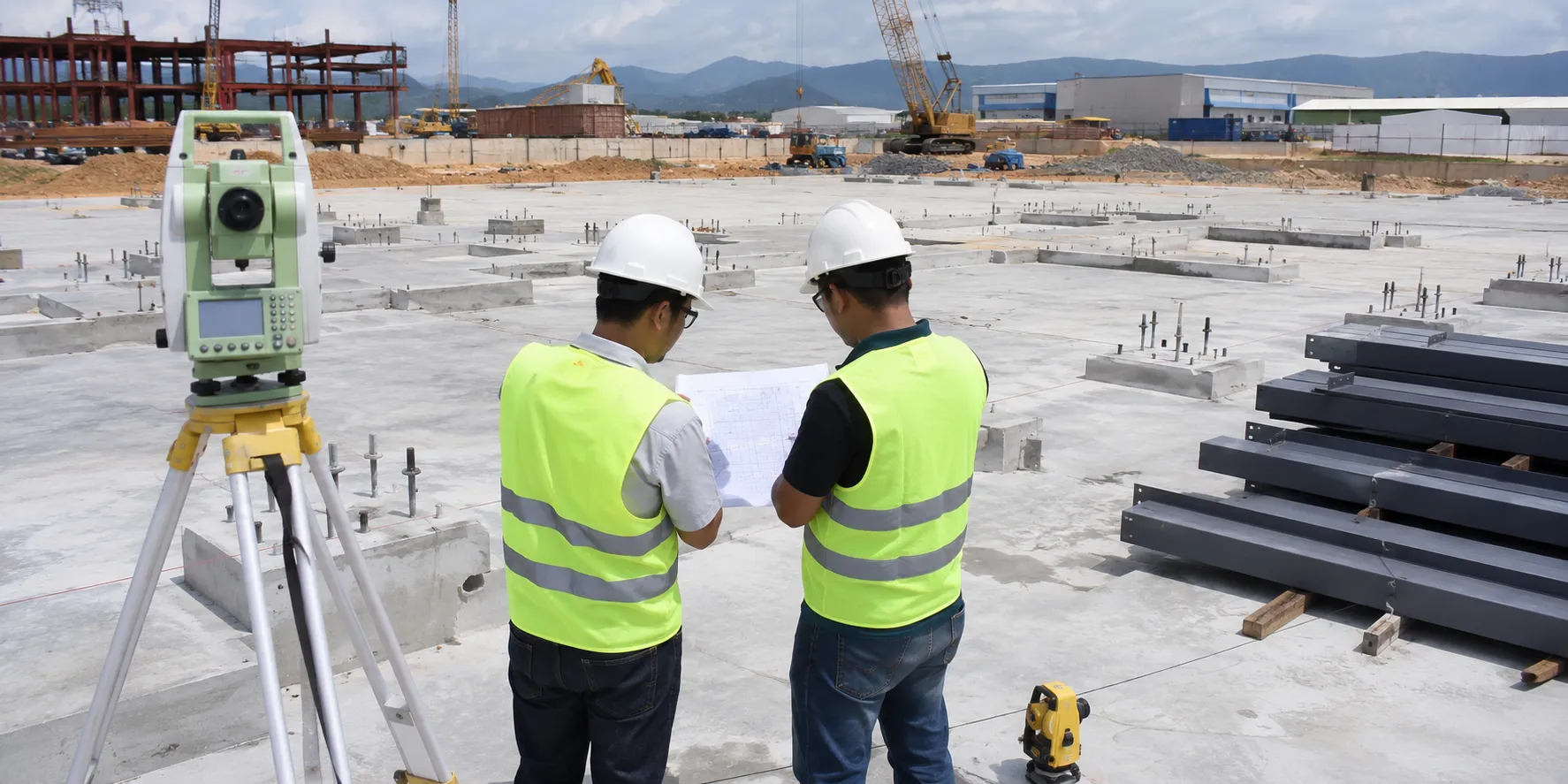
A practical site plan should account for delivery, unloading, storage and lifting access without assuming a universal crane, crew or site dimension.
Truck and Crane Routes
Confirm that delivery vehicles and the selected lifting equipment can reach the planned working area under the actual site conditions.
Unloading and Storage
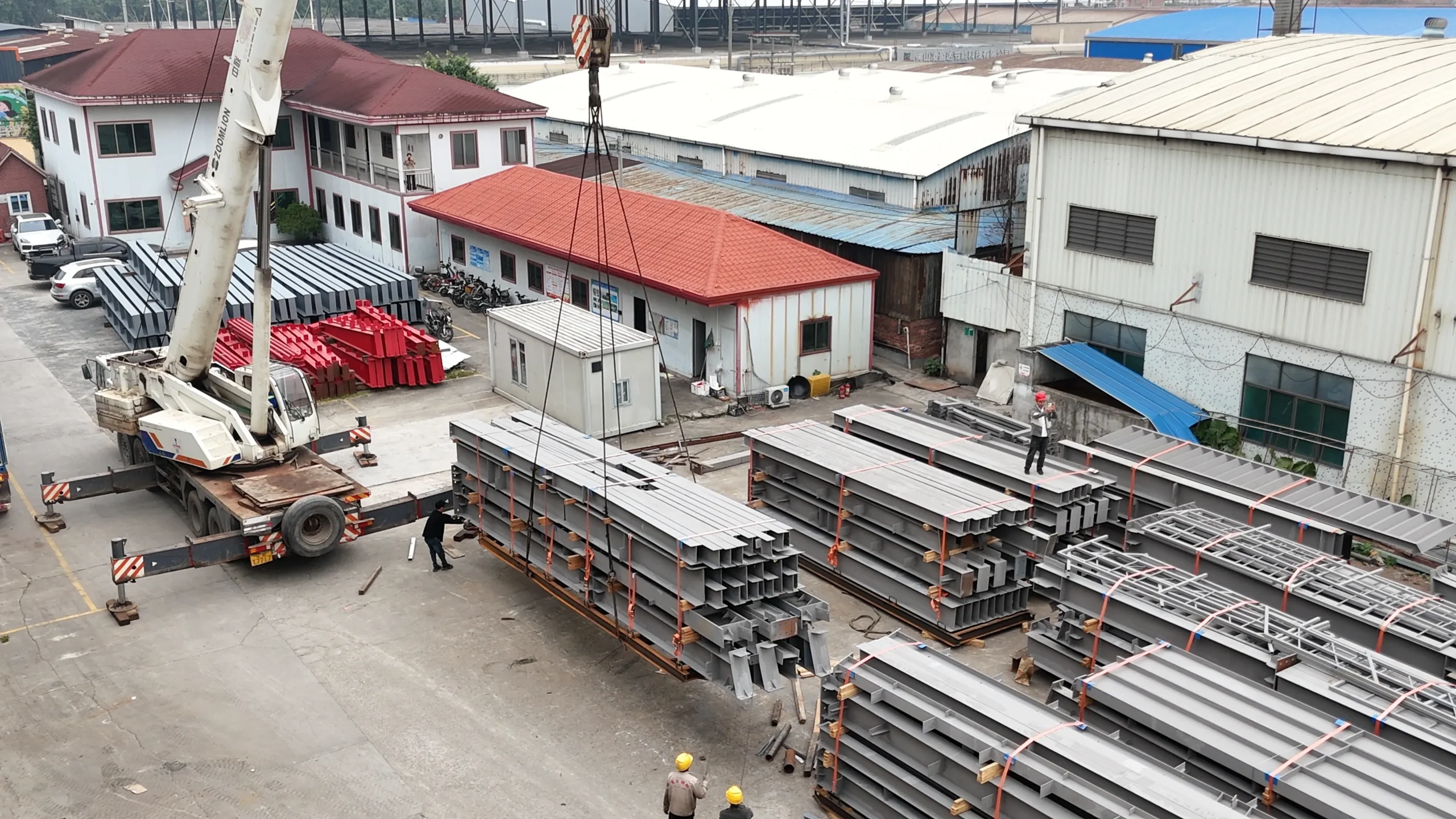
Prepare an organized area where members can be unloaded, identified and protected without unnecessary handling damage.
Ground and Lifting Areas
Confirm ground conditions, access control and lifting zones with the responsible local contractors before operations begin.

Documents & Revision Readiness
Before erection, confirm that the site team has the current released documents and the erection or assembly information included in the agreed scope. Member marks, packing lists and bolt or accessory lists should correspond with the delivered package.
Use the current revision and identify discrepancies before work proceeds. The detailed approval and fabrication-release checklist belongs in the guide to reviewing steel structure drawings before approval.
- Current released drawings
- Erection/assembly information where included
- Member marks and schedules
- Packing and bolt/accessory lists
- Current revision status
Check Delivered Components Before Erection
A delivery check helps the project team identify missing, damaged or unclear items before they interrupt site work. It does not replace engineering review or prove structural adequacy.
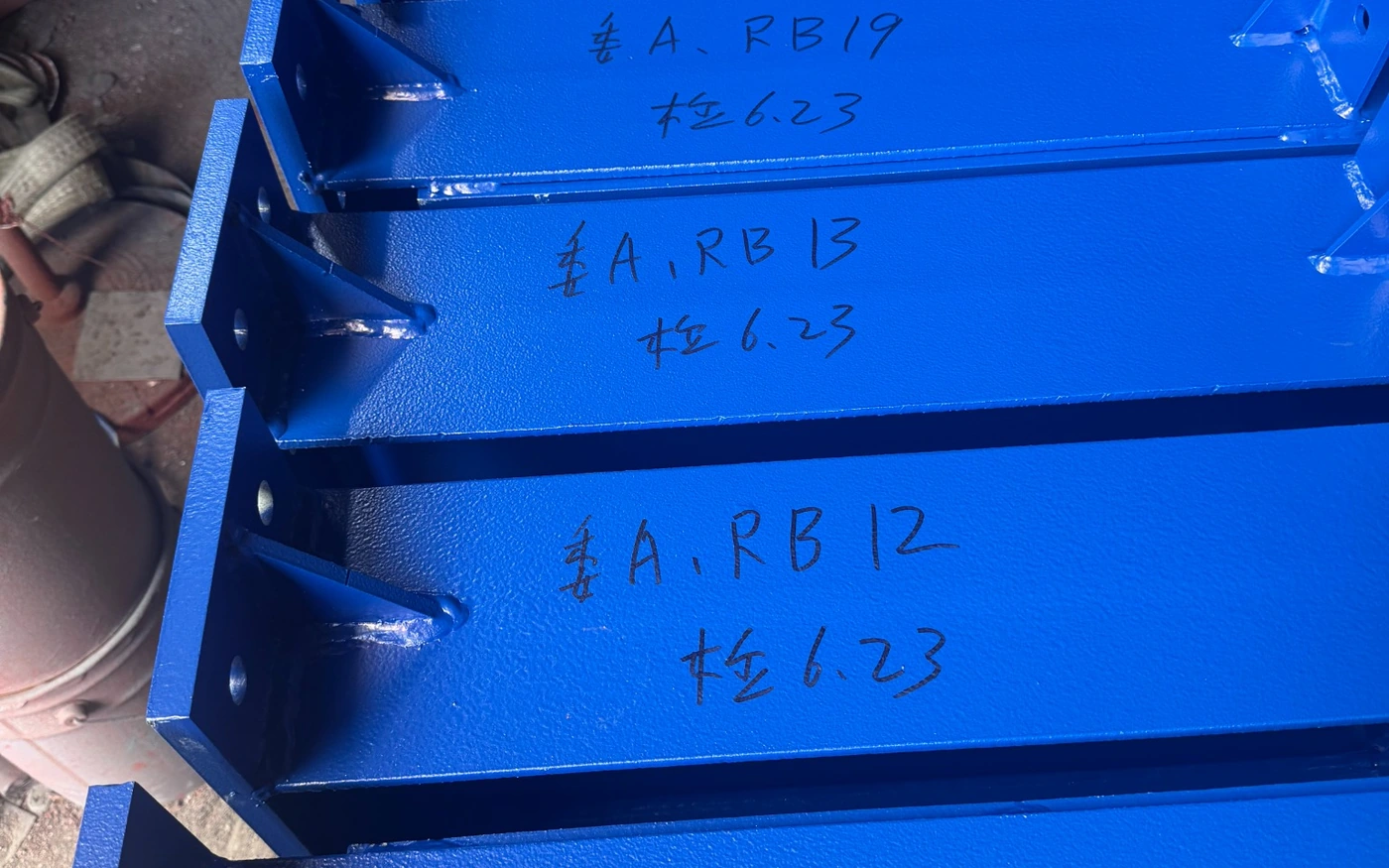
- Match member marks with the available lists
- Confirm delivered quantities against the packing list
- Record visible shipment damage
- Identify missing components before erection
- Check supplied bolts and accessories within scope
- Record coating damage that may require compatible touch-up
Temporary Stability Requires Project-Specific Planning
A partially erected steel frame should not be assumed to have the same stability as the completed structure. Temporary stability, erection sequence and bracing requirements should be planned for the specific project by the responsible erection and engineering team.
Partially completed connections, temporary support conditions and weather or wind can affect erection conditions. Temporary supports should not be removed merely because the frame appears aligned.
Connections, Alignment & Site Discrepancies
If members, anchors, openings or interfaces do not align with the current drawings, stop and identify the discrepancy. Check the current revision, document the issue and obtain the required technical decision from the responsible project party before work continues.
Do not treat force-fitting members, enlarging holes, cutting, welding or modifying structural components as generic field solutions. Any required resolution should follow the project-specific technical review and approval process.
Record the condition, identify the governing document and obtain the appropriate technical decision before proceeding.
Pre-Erection Readiness Checklist
- Current released drawings available
- Foundation and anchor survey reviewed
- Site access confirmed
- Unloading and storage area available
- Members identified
- Packing list checked
- Missing or damaged items recorded
- Bolts and accessories checked
- Erection contractor confirmed
- Lifting responsibilities confirmed
- Temporary-stability responsibility confirmed
- Local safety and permit requirements confirmed
- Outstanding discrepancies closed or formally identified
Review the Supply and Coordination Information
Send your project drawings, site conditions and installation-scope requirements so Bingfa can review the structural-steel supply and coordination information before erection.
Questions Before Site Work Starts
What should be checked before steel structure installation starts?
Confirm the current released documents, foundation and anchor readiness, member identification, packing and accessory lists, site access, unloading and storage areas, qualified erection and lifting resources, temporary-stability responsibility, local safety requirements and any unresolved discrepancies. The required checks depend on the agreed project scope and local requirements.
Who is responsible for steel structure installation on an overseas project?
Responsibility depends on the agreed contract and supply scope. Steel supply does not automatically include erection. Local erection, lifting, safety, foundation, engineering and authority responsibilities should be confirmed separately with the relevant qualified parties.
Can installation start if the anchor bolts do not match the drawings?
A discrepancy should be documented and reviewed before erection proceeds. The responsible project engineer or other designated project party should confirm the required resolution. Generic field modifications should not be assumed to be acceptable.
Are fabrication drawings enough for site erection?
Not automatically. The project team should confirm which erection or assembly information is required, use the current released documents and coordinate site-specific erection planning and local engineering requirements separately.
Discuss Your Project Readiness
Share the available drawings, site conditions and agreed installation scope so Bingfa can review the structural-steel supply and coordination information.