
What Should Buyers Check Before Approving Steel Structure Drawings
Review project requirements, drawing revisions and fabrication interfaces before approving the next step.
Confirm the project information. Clarify the approval boundary.
Buyer approval confirms project information review and can support fabrication release under the agreed workflow. It does not replace engineering review or local authority approval.
What Does Drawing Approval Actually Mean?
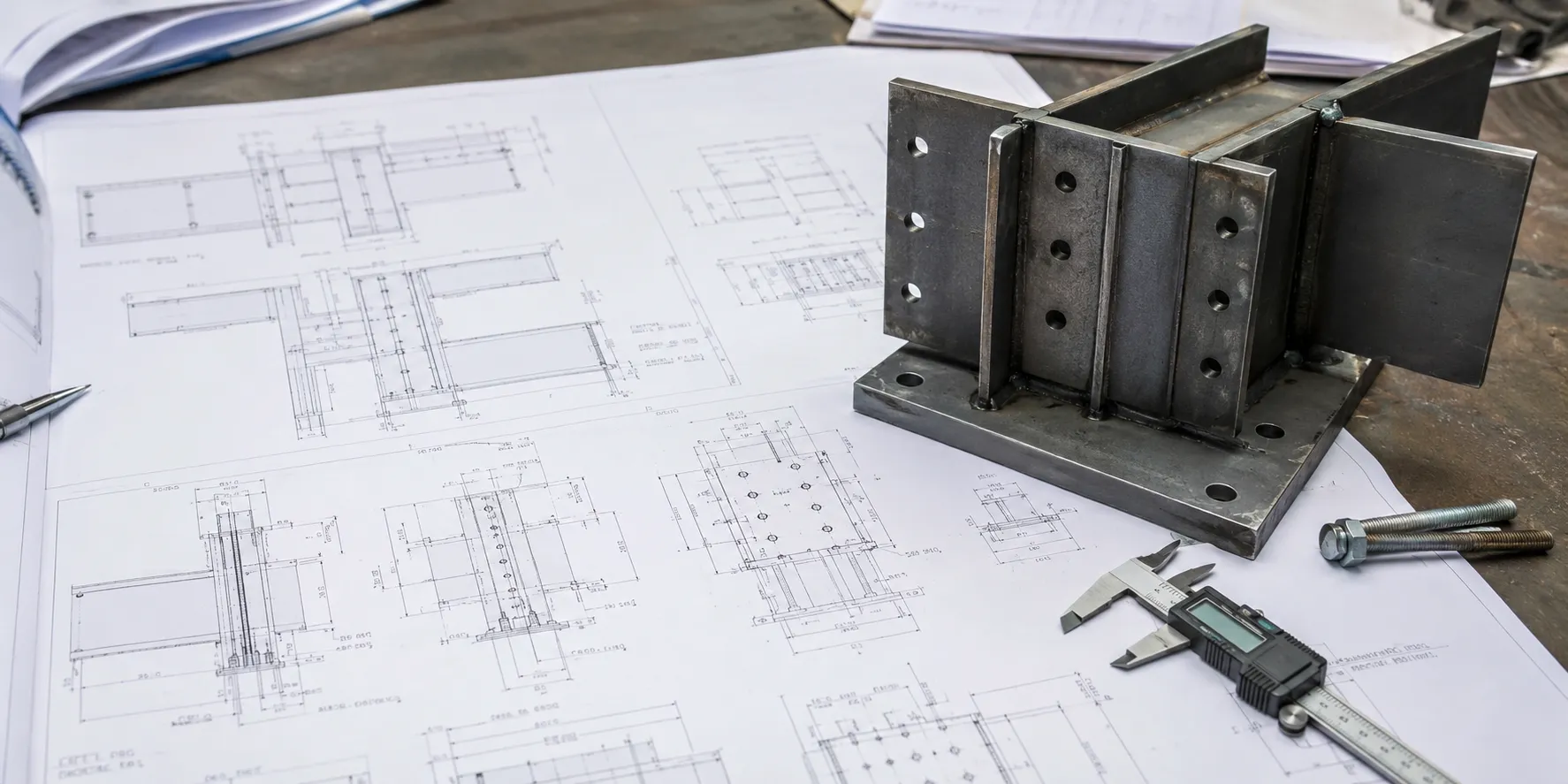
Drawing approval is a project review step, not a blanket certification. When the buyer or project team reviews steel structure drawings, they are typically confirming that the drawings reflect the agreed project requirements—dimensions, openings, layout, interfaces, supply scope and other confirmed inputs. Approval may also allow the agreed workflow to move forward, including release for fabrication, depending on the project’s approval procedure.
Approval does not automatically mean the structure has been certified by a local engineer or authority. It does not replace structural design review, connection design verification, local permit approval, or any required engineering sign-off. It also does not mean the drawings are free from errors.
Approval does not transfer every dimensional or fabrication responsibility to the buyer. The fabricator remains responsible for accurate fabrication information, detailed dimensions and fit-up within its agreed scope. The buyer or project team remains responsible for confirming that the drawings match the project requirements and for obtaining any required local engineering and authority approvals.
- 01Buyer / Project Review
- 02Comments Resolved
- 03Released for Fabrication
- 04Fabrication
Local engineering / authority approval remains separate.
Revision First
Before reviewing or approving any drawing, confirm the drawing number and revision status. Check the drawing number, revision number, date, latest revision, comments or status, and whether the drawing is marked for fabrication release.
Drawing Number
Revision
Date / Status
Fabrication Release
Superseded drawings should not be used for fabrication. If a drawing has been replaced by a later revision, the earlier version should be clearly marked as superseded and removed from the fabrication workflow.
Only the revision currently released for fabrication under the agreed project workflow should be used for production.
Confirm that all review comments have been addressed or clearly identified as outstanding. The drawing status should show whether it is for review, for approval, released for fabrication, or superseded.
Buyer Drawing Review Checklist
Project & Drawing Identity
- Project name and project number
- Drawing title and discipline
- Drawing number
- Revision number and date
- Approval status
- Distribution list or intended recipients
- Reference to current project specification
Building Geometry
- Overall length, width and height
- Grid lines and column lines
- Rafter and beam layout
- Eave and ridge references
- Bracing locations
- Expansion or interface zones
- Dimension consistency across views
Openings & Operational Requirements
- Door locations and sizes
- Window and louvre locations
- Equipment openings
- Loading and access points
- Required clear height
- Crane or mezzanine provisions
- Future operational provisions where confirmed
Structural & Material Information
- Member marks and schedules
- Section designations
- Steel grades as specified
- Plate and connection materials
- Bolt and weld requirements
- Coating or galvanizing requirements
- Base plate and anchor references
Connections & Foundation Interfaces
- Base plate details
- Anchor bolt coordination
- Column orientation
- Embedded items or interfaces
- Tolerance coordination
- Reactions or interface information where included
- Coordination with foundation drawings
Roof / Wall / Equipment Interfaces
- Purlin and girt layout
- Roof and wall cladding interfaces
- Roof drainage details
- Penetrations and openings
- Equipment support interfaces
- Interface with other building systems
Before Release for Fabrication
- Latest revision confirmed
- Buyer comments resolved or clearly identified
- Key dimensions confirmed
- Openings and equipment interfaces confirmed
- Material requirements checked
- Drawing status clearly marked
- Outstanding technical questions closed or identified
- Agreed approval and release process completed
- Only the released-for-fabrication revision used
Responsibility Boundary
Approval does not automatically mean:
Local Permit Approval
Structural Certification
Zero Drawing Errors
Buyer Takes All Responsibility
Approval confirms review within the agreed project scope. The fabricator remains responsible for accurate fabrication information, detailed dimensions and fit-up within its agreed scope. Local engineering and authority approvals remain separate.
Review the Drawing and Fabrication Scope
Send your latest drawings, project requirements and marked-up comments so Bingfa can review the steel structure drawing and fabrication-scope coordination before production.
Questions Before You Approve
What should I check before approving steel structure drawings?
Check the drawing number and revision first. Then review project identity, building geometry, openings, operational requirements, material information, connection details, foundation interfaces, roof and wall interfaces, and equipment interfaces. Confirm that comments have been resolved or clearly identified. Confirm the drawing status and whether it is released for fabrication according to the agreed workflow.
Does approving a shop drawing mean the structure is fully approved?
No. Buyer or project team approval confirms that the drawings reflect the agreed project requirements and may allow the agreed workflow to proceed. It does not replace structural engineer review, local engineering approval, authority approval or permit approval. It does not certify structural safety or code compliance on its own.
Why is the drawing revision number important?
The revision number identifies the current drawing status. Using superseded drawings for fabrication can lead to incorrect dimensions, openings or connections. Checking the revision number, date and status helps confirm that the correct information is being used and that review comments have been incorporated.
Can fabrication begin after drawing approval?
Fabrication may be released according to the agreed project workflow once required reviews, comments and approvals are complete. Approval does not remove remaining fabrication or engineering responsibilities. The fabricator remains responsible for accurate fabrication information within its agreed scope. Any outstanding engineering or local approval items should be identified before release.
Discuss Your Steel Structure Drawing Requirements
Send your latest drawings, project requirements and marked-up comments so Bingfa can review the steel structure drawing and fabrication-scope coordination before production.