

Warehouse Planning Guide
Steel Logistics Warehouse Planning Reference
Plan a steel logistics warehouse around storage flow, forklift movement, loading access, clear span, doors, enclosure and project-specific structural requirements.
Quick Answer
A logistics warehouse should be planned around how goods enter, move, are stored and leave the building. Before structural design, buyers should identify storage type, racking or stacking plan, forklift and material-handling needs, receiving and loading zones, door locations, internal routes, required clear height, future expansion requirements and any equipment that will be installed. The building structure should then be coordinated with these operational requirements. There are no fixed dimensions that apply to every logistics warehouse—the layout and structural arrangement depend on the specific operation, site conditions and project requirements.
Start With the Logistics Flow
The logistics flow typically includes receiving, unloading, staging, inspection where applicable, storage, picking or internal transfer, packing or dispatch staging, and outbound loading. Not every warehouse requires every zone, and the specific flow depends on the goods, operation and throughput. Understanding the operational flow before fixing column, door and loading-interface locations helps avoid conflicts between the building structure and the way goods actually move. The flow should be mapped early so the structural layout can support it.
- Receiving
- Unloading
- Staging
- Inspection where applicable
- Storage
- Picking or internal transfer
- Dispatch staging
- Outbound loading
Storage, Racking and Forklift Planning
Storage may involve pallet racking, block stacking, shelving, bulk storage or other systems. Forklifts or other handling equipment move goods through the facility. Key planning considerations include aisle arrangement, turning areas, pedestrian interfaces and overhead clearance. Aisle and clearance requirements depend on the actual equipment, load dimensions, local requirements and warehouse operations. There are no universal aisle widths that apply to every project. The storage and handling plan should be confirmed before the structural grid is finalised.

Clear Span, Columns and Structural Grid
Clear span can reduce internal obstructions and provide more flexible floor space. However, clear span is not automatically the best solution for every project. Multi-span layouts with internal columns may also be practical, depending on storage layout, rack rows, forklift paths, loading zones, structural efficiency, building width and future changes. The selection should be coordinated with the operational plan and structural engineering. There are no fixed spans that apply to every logistics warehouse.
Loading Access, Doors and Staging Areas
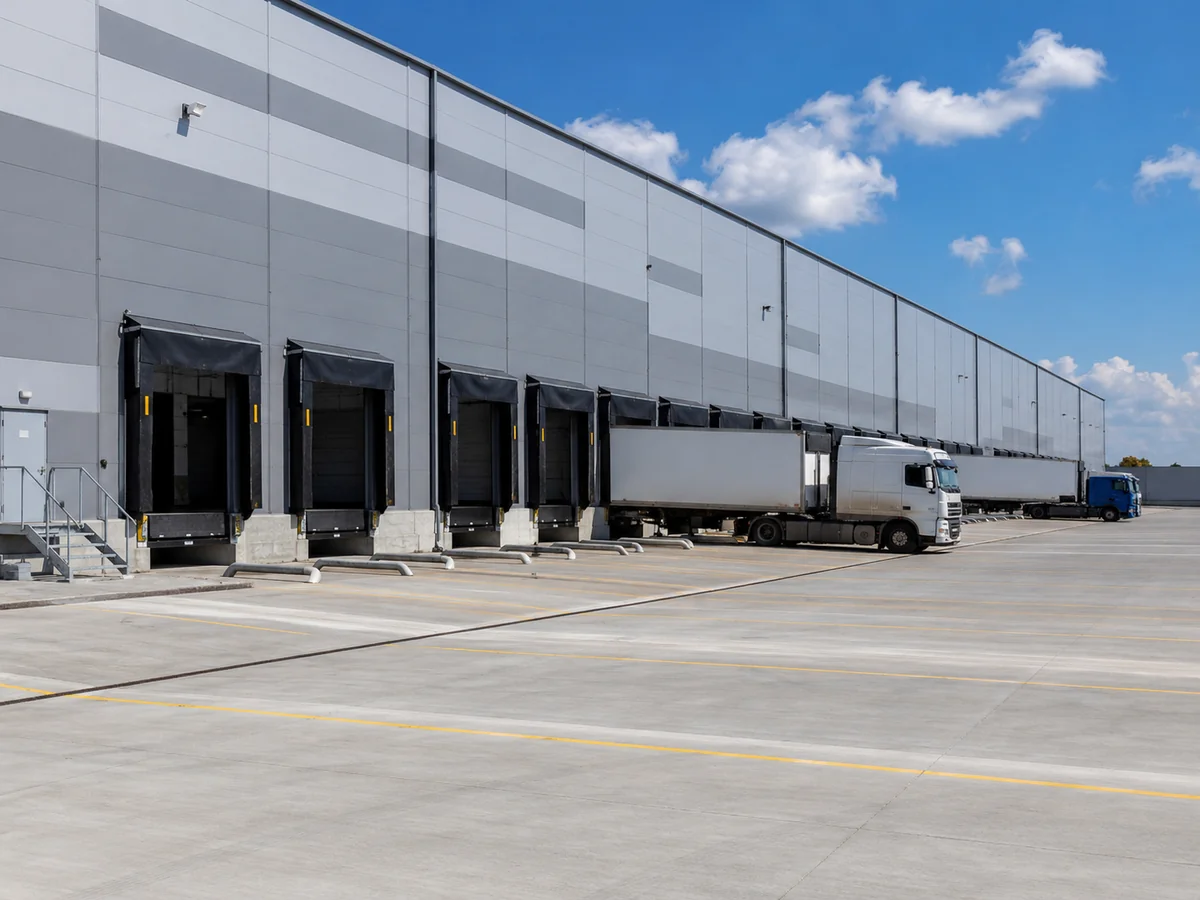
Loading access may include grade-level doors, dock interfaces where required, truck access, staging zones, loading and unloading areas, canopies where required, and internal and external movement. Not every logistics warehouse needs dock-height loading. Some projects use grade-level doors, some use dock-height interfaces, and some use a combination. Detailed dock quantity, spacing and truck-court planning belong to the dedicated loading-dock design guide. Door and opening requirements should be coordinated with the structural layout.
Clear Height and Vertical Coordination
Clear height planning involves distinguishing between eave height, ridge height, structural clear height, storage or rack height, forklift lifting requirement, lowest obstruction, and services or sprinklers where applicable. The required clear height depends on the storage system, handling equipment and operational requirements. There is no standard warehouse height that applies to every project. The structural clear height should be confirmed based on the actual storage and handling needs, with reference to the lowest obstruction in the working area.
Bracing, Large Openings and Building Interfaces
Bracing and structural elements should be coordinated with loading doors, large openings, internal circulation, rack zones, canopies and future expansion. Bracing locations should not be assumed to be removable or relocatable without structural review. Large openings may require additional framing and coordination with the bracing system. Final locations depend on structural engineering and should be confirmed before fabrication.
Roof, Wall, Ventilation and Drainage Requirements
Roof and wall requirements depend on stored goods, temperature requirements, insulation if required, ventilation, condensation control, daylighting where required, roof drainage, weather exposure and local fire requirements. The enclosure system should be selected based on the specific project conditions. There are no fixed panel thicknesses or universal enclosure systems that apply to every logistics warehouse. The roof and wall design should be coordinated with the structural system and the operational requirements.
Equipment, Mezzanine and Automation Inputs
Logistics warehouses may include conveyors, automated storage systems, mezzanines, charging areas, suspended services, cranes or lifting equipment, and special machinery. These items are project-specific and should be identified before final structural design. Equipment loads, access requirements and interface details affect the structural layout. Buyers should confirm which equipment will be installed and provide the relevant information for coordination.
Future Expansion and Layout Flexibility
Future expansion may include additional building area, more doors, layout changes, rack reconfiguration or equipment changes. Future expansion should be planned within structural, site and local approval constraints. Expansion direction, structural grid and enclosure interfaces should be considered during initial planning where future growth is reasonably expected. There is no guarantee of unlimited expansion, and future modifications should be reviewed against the original design and current requirements.
Structural and Local Design Inputs
Structural design inputs include project location, applicable code or design basis, wind, snow and seismic requirements, building use, geometry, openings and special equipment loads. These inputs should be confirmed before structural calculations begin. Detailed warehouse load coordination is covered in the dedicated Steel Warehouse Design Loads guide. Local design requirements should be confirmed by the relevant engineers and authorities.
Supply-Scope and Responsibility Boundaries
A logistics warehouse project may involve different parties for structural design, steel fabrication, cladding, foundation, floor slab, loading equipment, racking, MEP, fire systems, installation and local approvals. The quotation should define exactly what is included and what is excluded. Bingfa does not automatically supply every item. The supply scope should be clearly confirmed before order.
Information Buyers Should Prepare
- Project country and city
- Warehouse use
- Goods and storage type
- Approximate length, width and height
- Clear-span or column preference if known
- Racking or storage layout if available
- Forklift and material-handling information
- Loading and unloading method
- Door quantity and approximate locations
- Required clear height
- Mezzanine or equipment requirements
- Roof and wall requirements
- Local design inputs if known
- Drawings if available
- Delivery destination
- Required supply scope
How Bingfa Can Support Logistics Warehouse Planning
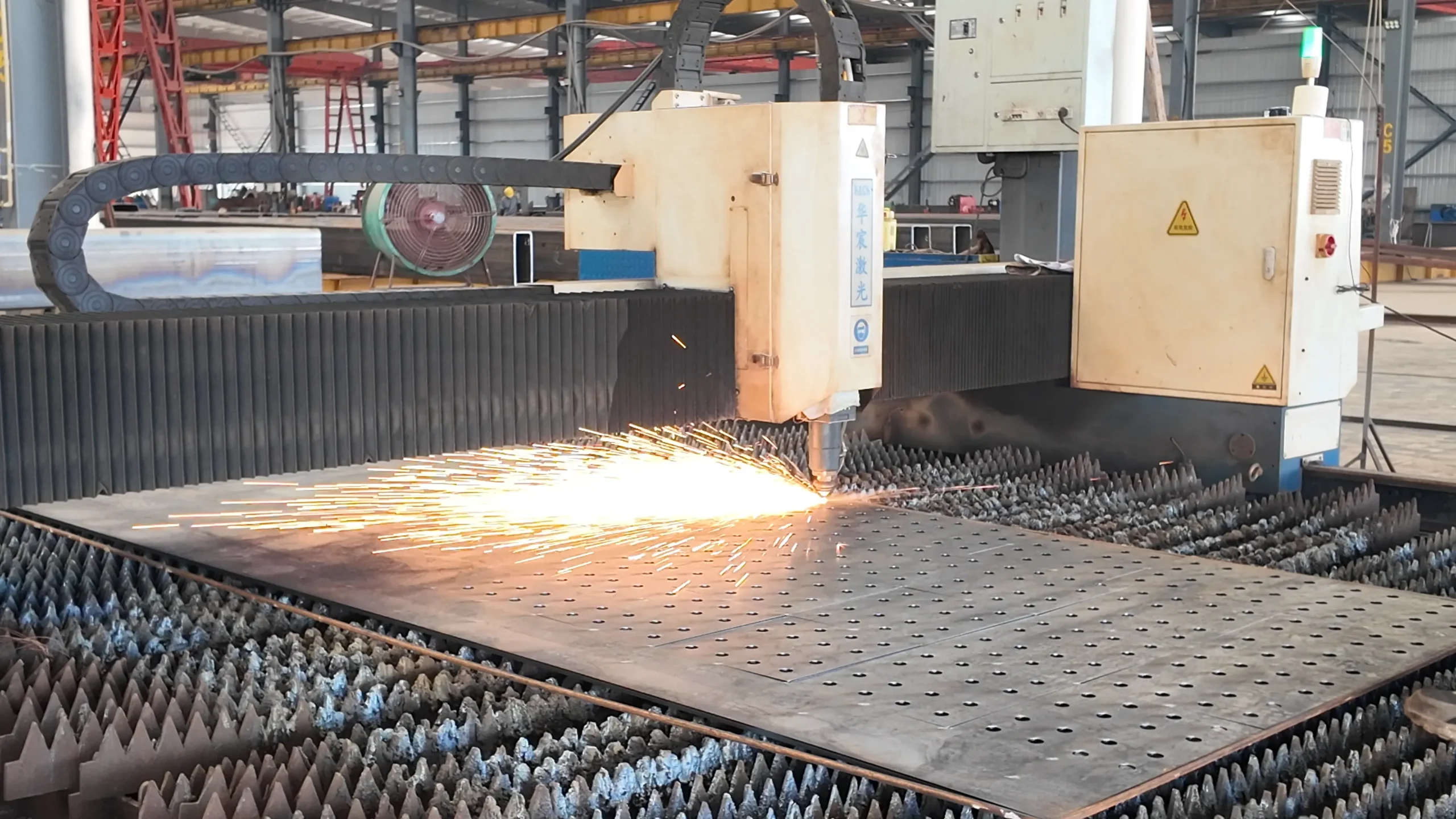
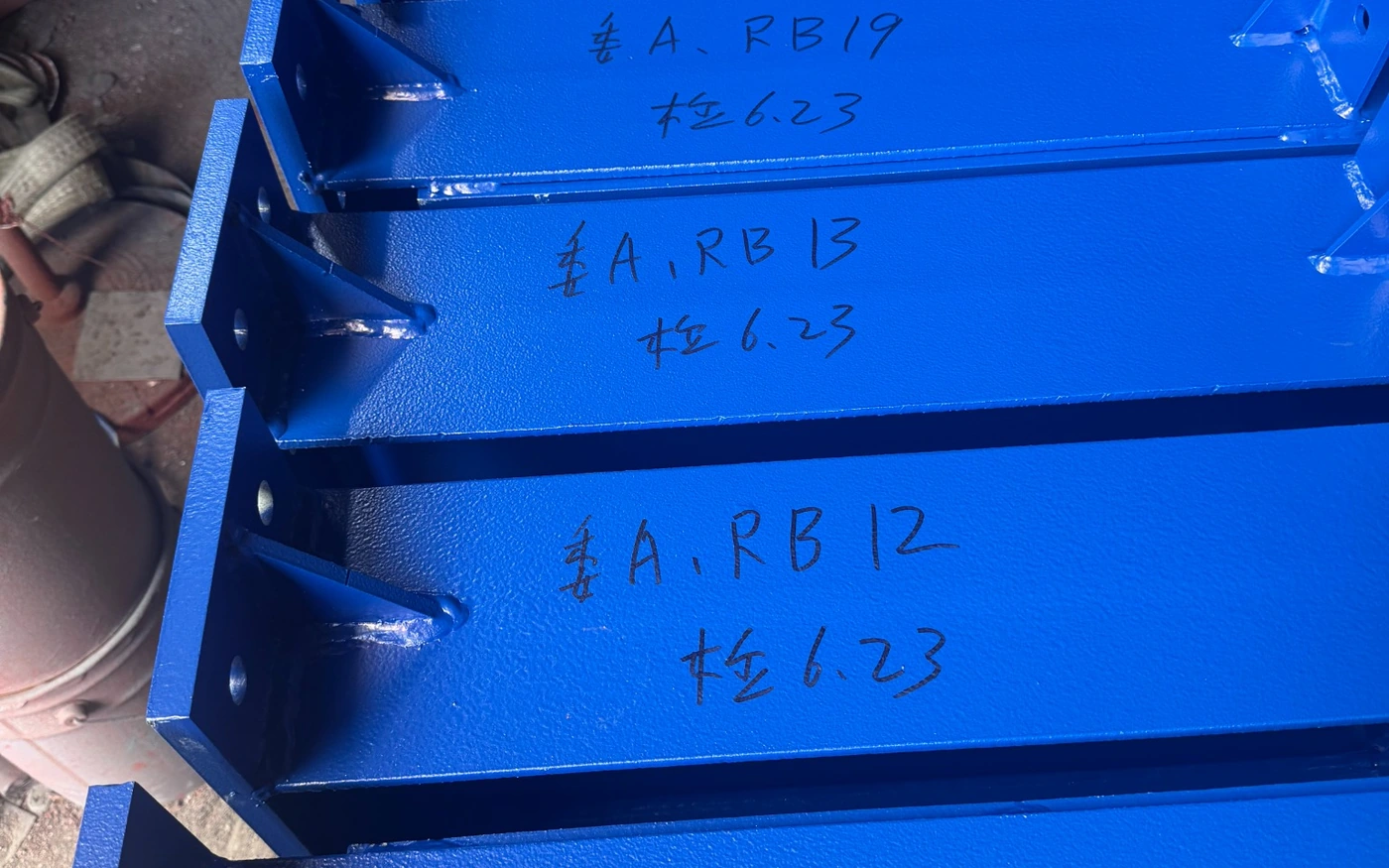
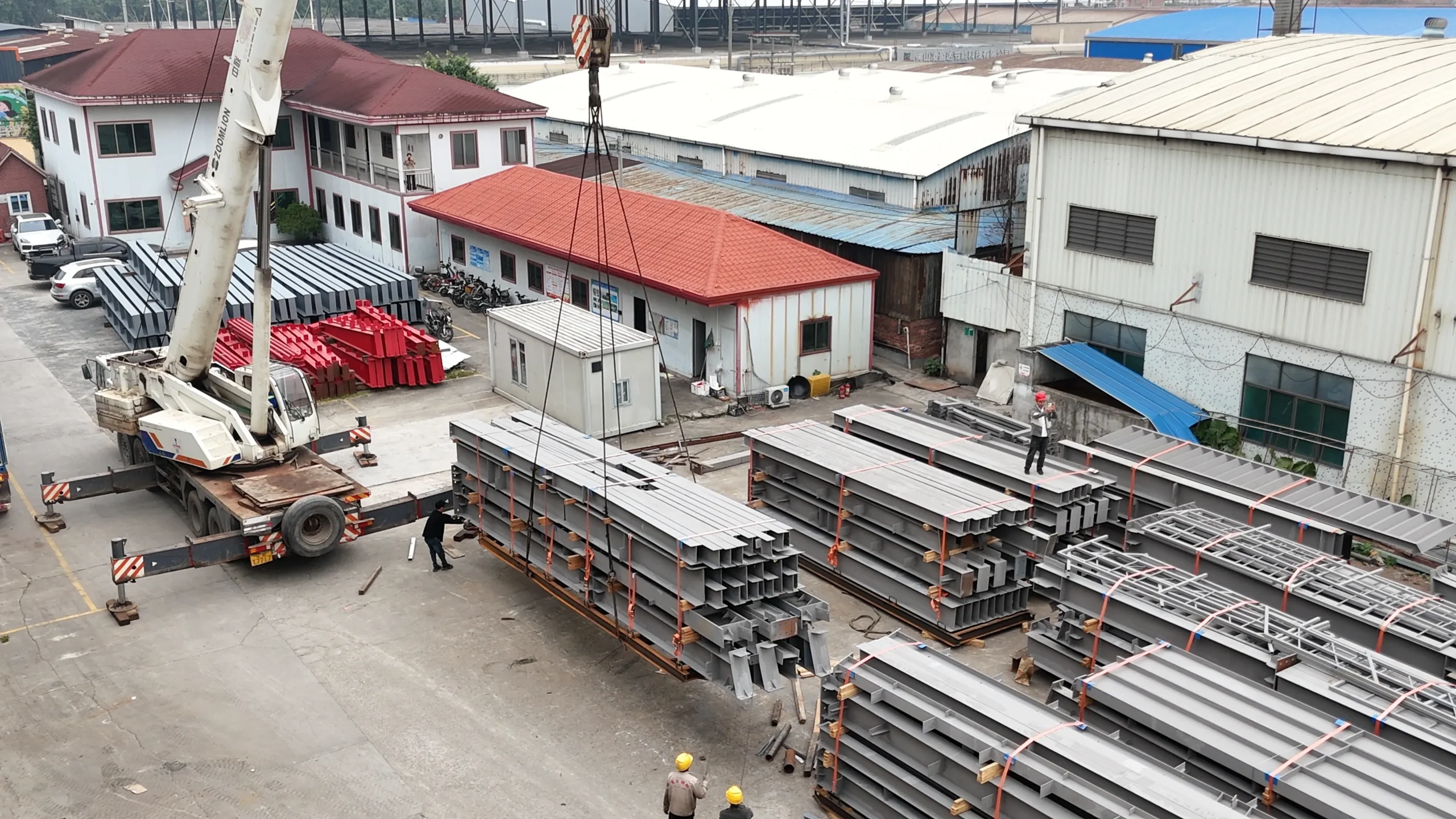
Bingfa can review available building dimensions, intended warehouse use, storage and logistics layout, openings, equipment interfaces, structural-steel supply scope, and drawings and project requirements. The project team reviews the available information and coordinates the steel structure supply according to confirmed drawings and project requirements. Local design, approvals, foundation, installation and other specialist scopes are confirmed separately by the relevant project parties.
Review Your Warehouse Planning Inputs
Send your warehouse location, intended use, approximate dimensions, storage or racking plan, loading requirements and available drawings so Bingfa can review the structural-steel planning and supply-scope requirements.
Steel Logistics Warehouse Planning Questions
What information is needed to plan a steel logistics warehouse?
To plan a logistics warehouse, buyers should provide the project location, warehouse use, goods and storage type, approximate dimensions, clear-span or column preference if known, racking or storage layout if available, forklift and handling information, loading and unloading method, door requirements, required clear height, equipment or mezzanine needs, roof and wall requirements, local design inputs if known, drawings if available, and required supply scope.
Does a logistics warehouse always need a clear-span structure?
No. Clear span may reduce interior obstructions, but column and span arrangement should be coordinated with storage, racking, material handling, structural requirements and project economics. Multi-span layouts with internal columns may also be suitable depending on the operational plan.
How should forklift requirements affect warehouse planning?
Forklift type, load, aisle arrangement, turning requirements, door dimensions and overhead clearance should be identified during planning. These requirements affect the structural layout and should be confirmed based on the actual handling equipment. There are no universal aisle dimensions that apply to every warehouse.
Does every logistics warehouse need loading docks?
No. Loading method depends on vehicles, goods flow, site level, handling equipment and operations. Some projects use grade-level doors, some use dock-height interfaces, and some use a combination. The appropriate loading approach should be confirmed based on the specific operation.
What should I send for a logistics warehouse quotation?
Send the project location, warehouse use, goods and storage type, approximate dimensions, clear-span or column preference, racking or storage layout if available, forklift and handling information, loading and unloading method, door requirements, required clear height, equipment or mezzanine needs, roof and wall requirements, local design inputs if known, drawings if available, delivery destination and required supply scope. Early information is enough to start the review.
Prepare Your Steel Logistics Warehouse
Send your warehouse location, intended use, approximate dimensions, storage or racking plan, loading requirements and available drawings so Bingfa can review the structural-steel planning and supply-scope requirements.